
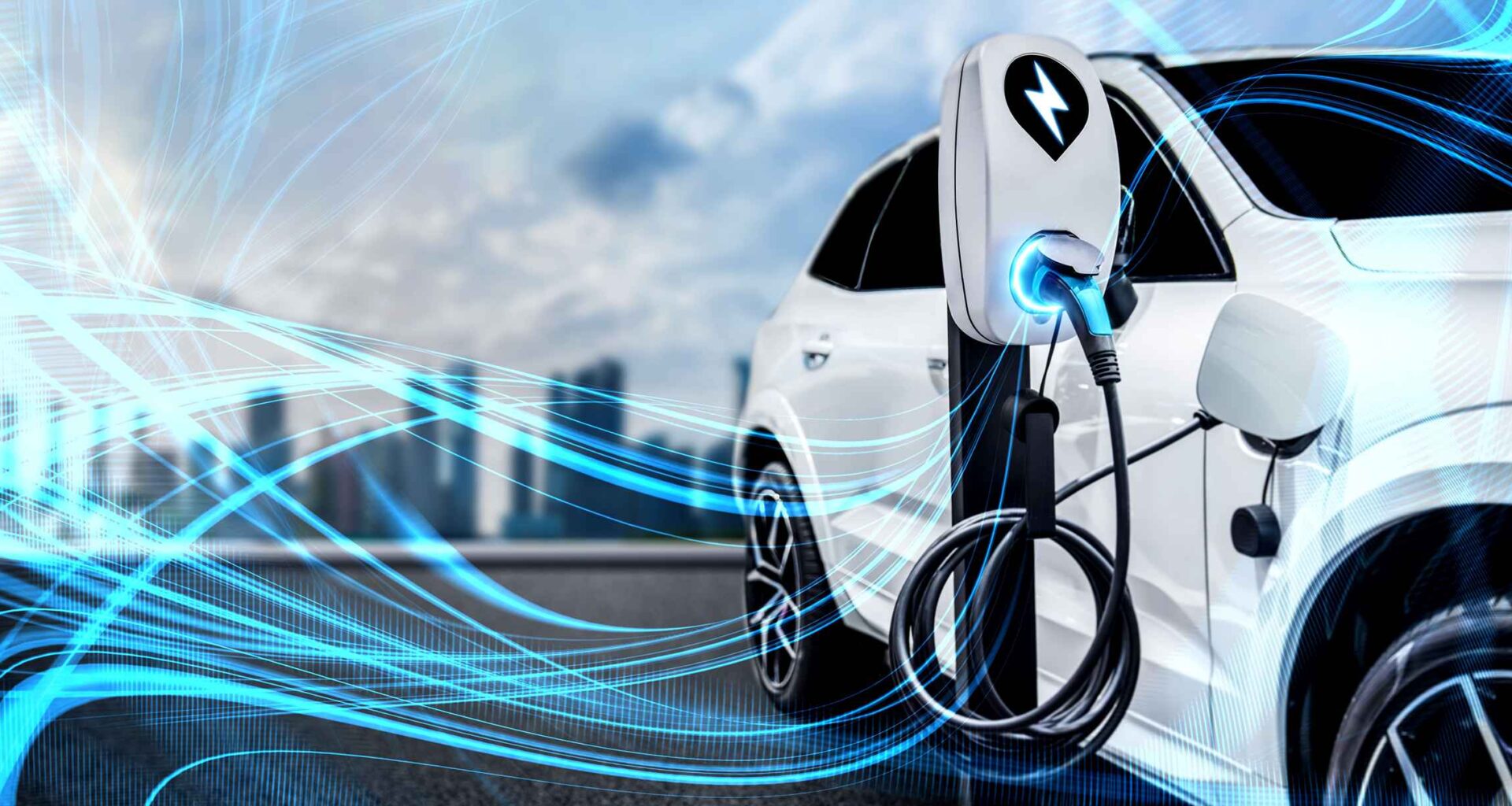

Future of Electric Vehicles
The future of electric vehicles (EVs) is driving a major shift in the automotive industry. With rising environmental concerns, advances in battery technology, and the integration of AI, EVs are becoming more efficient, affordable, and sustainable. From smart gadgets to autonomous vehicle systems, the EV ecosystem is rapidly evolving, offering exciting opportunities for consumers and businesses alike.
Advancements in Battery Technology
Battery technology is the backbone of electric vehicles. Innovations in lithium-ion and solid-state batteries are increasing energy density, reducing charging time, and lowering costs. These developments make EVs more accessible and practical for everyday use. Companies are also exploring fast-charging networks and wireless charging to enhance convenience for drivers.
Key Battery Innovations
- High-capacity lithium-ion batteries for longer range
- Solid-state batteries for improved safety and durability
- Rapid charging stations and infrastructure expansion
- Wireless and inductive charging solutions
- Battery recycling and sustainable materials
AI Integration in Electric Vehicles
Artificial intelligence plays a critical role in modern EVs. AI powers autonomous driving systems, predictive maintenance, and energy management. By analyzing real-time data from sensors and connected devices, AI optimizes battery usage, enhances safety, and provides smarter navigation. AI in transportation is enabling seamless mobility experiences for EV drivers worldwide.
Applications of AI in EVs
- Autonomous and assisted driving systems
- Smart energy and battery management
- Predictive maintenance to reduce downtime
- Advanced driver-assistance features (ADAS)
- Integration with smart city infrastructure
EV Charging Infrastructure
Charging infrastructure is key to EV adoption. Governments and private companies are expanding networks of fast-charging stations, making EVs more convenient for urban and rural drivers. AI-powered charging stations predict peak demand, optimize energy distribution, and reduce grid strain. These smart solutions are critical for supporting the mass adoption of EVs in the coming years.
Smart Charging Solutions
- Fast-charging stations along highways
- AI-managed energy distribution for efficiency
- Home-based smart chargers
- Vehicle-to-grid (V2G) energy sharing
- Public charging apps and networks
Sustainable Mobility and Green Tech
Electric vehicles are central to sustainable mobility initiatives. By reducing carbon emissions, EVs contribute to cleaner air and a healthier environment. Coupled with renewable energy sources, they create a holistic ecosystem for green transportation. IoT devices and AI-powered energy monitoring further enhance sustainability in EV systems.
Eco-Friendly EV Solutions
- Integration with solar-powered charging stations
- Energy-efficient motors and regenerative braking
- Recyclable battery materials
- Fleet electrification for public transport
- Green supply chains in EV manufacturing
Emerging Trends in Electric Vehicles
The EV industry is witnessing new trends such as autonomous taxis, connected vehicle systems, and smart fleet management. Companies are investing in next-gen EVs with enhanced range, luxury features, and AI-driven analytics. Keeping up with these innovations is essential for businesses and consumers to make informed decisions about adopting electric mobility solutions.
Future EV Trends
- Autonomous electric taxis and shuttles
- Connected EV fleets with real-time monitoring
- AI-driven predictive analytics for fleet management
- Enhanced in-car AI features and infotainment
- Integration with smart city and IoT networks
Conclusion
The future of electric vehicles is bright and transformative. With advancements in battery technology, AI integration, smart charging infrastructure, and sustainable mobility solutions, EVs are set to redefine transportation by 2025 and beyond. By exploring these innovations and adopting connected technologies like future gadgets and AI systems, consumers and businesses can embrace a cleaner, smarter, and more efficient transportation future.