

How Technology Is Helping Fight Climate Change
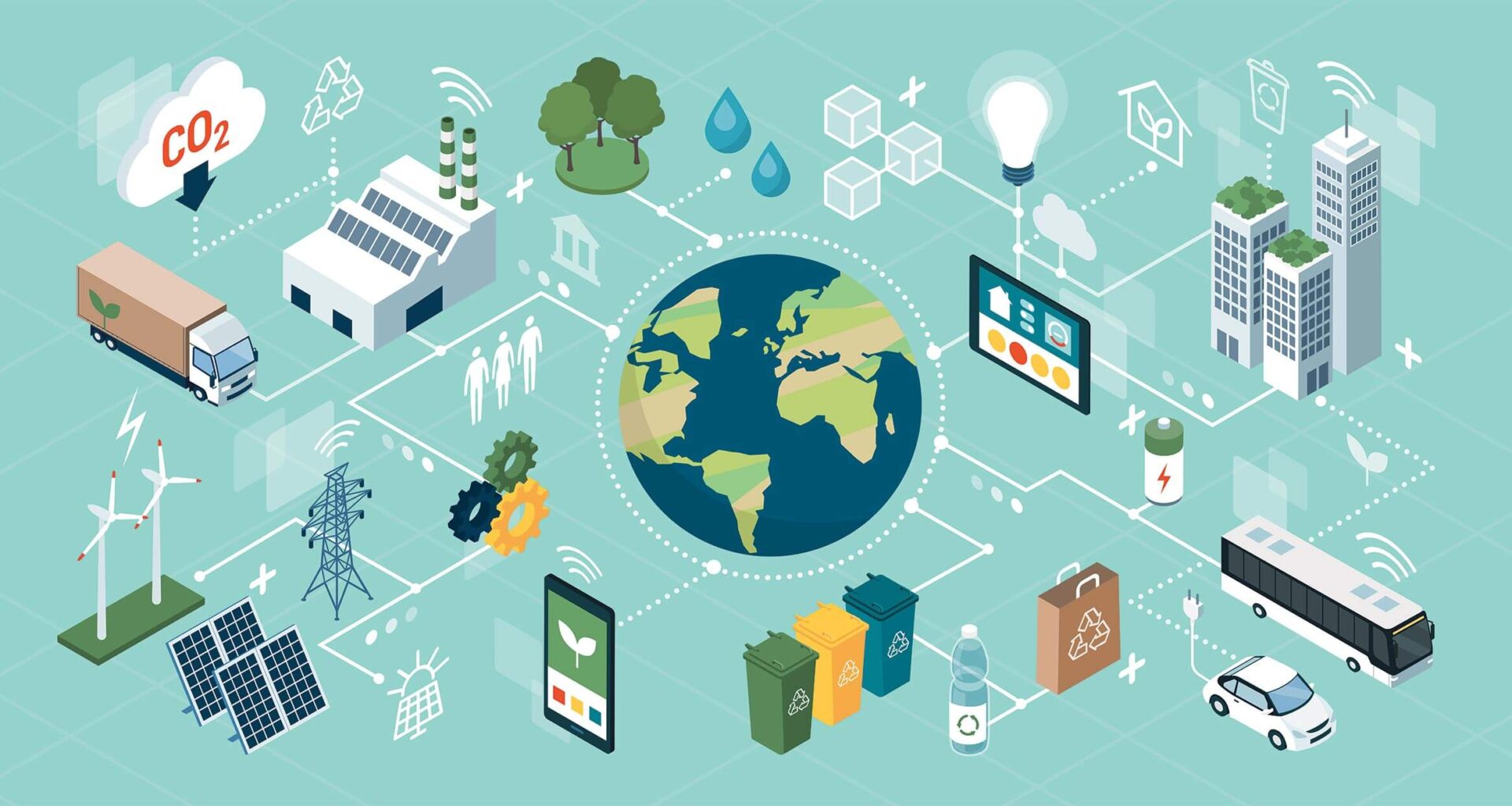
Climate change is one of the greatest challenges of our generation. Rising global temperatures, unpredictable weather patterns, and increasing natural disasters are reshaping how we live and work. Thankfully, innovation in technology is helping combat this crisis. From emerging technologies to electric vehicles, a new wave of solutions is empowering governments, organizations, and individuals to fight back against global warming.
Technology is now at the heart of sustainability. Through renewable energy, smart systems, and AI-driven analytics, we are entering a new era of climate action. This article explores the top ways that technology is transforming the environmental landscape and helping reduce humanity’s carbon footprint.
1. Renewable Energy: The Power of the Future
Renewable energy technologies—such as solar, wind, and hydro—are the cornerstone of sustainable progress. These innovations have evolved from expensive alternatives to mainstream solutions. Smart energy grids and AI-based power management systems are optimizing how electricity is produced and consumed.
- Solar Power: Modern solar panels are more efficient, affordable, and durable than ever before.
- Wind Energy: Onshore and offshore turbines now generate higher output using AI weather prediction systems.
- Hydropower: Small-scale hydro systems provide clean power for local communities.
- Smart Grids: Connected systems that balance energy supply and demand automatically.
By embracing renewable technologies, countries can significantly cut fossil fuel dependence. You can learn more about next-gen clean energy systems in our article on Future Gadgets to Watch.
2. Smart Agriculture for a Sustainable Food System
Traditional farming contributes significantly to carbon emissions, but technology is changing that. Smart agriculture uses AI, IoT, and drones to create efficient, eco-friendly farming systems. Farmers can now monitor soil quality, water levels, and crop growth in real time.
- IoT sensors provide data on moisture and nutrient levels.
- Drones capture aerial imagery for precise crop monitoring.
- AI predicts weather conditions to plan irrigation schedules.
- Robotic systems automate planting and harvesting, saving fuel and resources.
These innovations reduce waste, save energy, and improve yields—key to feeding the planet sustainably. You can also check out how AI is revolutionizing transportation for eco-friendly mobility solutions.
3. Smart Cities and Energy-Efficient Buildings
Urban areas contribute to over 70% of global carbon emissions, making cities a major focus for climate solutions. Smart city technologies integrate IoT sensors, data analytics, and automation to manage resources efficiently. For example, smart lighting and HVAC systems reduce power waste, while AI-driven traffic systems cut fuel consumption.
Key Smart City Innovations
- IoT-controlled public lighting systems that save up to 40% energy
- Smart thermostats and automated cooling systems
- AI-based waste sorting and recycling automation
- Green building materials with low carbon footprints
Technology-driven urban planning not only cuts emissions but also improves quality of life. Learn more about how smart homes and IoT are making daily living more sustainable.
4. Electric Vehicles and the Future of Transport
Transportation accounts for nearly one-quarter of global carbon emissions. Electric vehicles (EVs) are transforming this landscape by replacing gasoline-powered cars with zero-emission alternatives. With longer battery life, fast-charging technology, and improved infrastructure, EVs are becoming the future of mobility.
- EV sales are expected to exceed 50% of total car sales by 2030.
- AI-based charging networks reduce power grid strain.
- Electric buses and trucks are replacing diesel fleets worldwide.
Smart traffic systems powered by machine learning can also reduce congestion and emissions. To explore more innovations in transport, visit our article on the Future of Electric Vehicles.
5. AI and Data Analytics for Climate Prediction
Artificial intelligence is one of the most powerful tools for climate monitoring and action. By analyzing massive datasets from satellites, sensors, and environmental models, AI helps predict natural disasters, monitor pollution, and track deforestation patterns.
Applications of AI in Climate Tech
- AI-powered weather forecasting and disaster prevention
- Smart environmental sensors for real-time air quality data
- Carbon footprint tracking and sustainability reporting
- Machine learning algorithms for renewable energy optimization
These intelligent systems allow governments and companies to make informed, data-driven decisions. If you’re curious about how AI continues to shape industries, read our deep dive into Machine Learning in Business.
6. Carbon Capture and Storage Innovations
While reducing emissions is crucial, removing existing carbon from the atmosphere is equally important. Carbon capture and storage (CCS) technologies are designed to trap CO₂ from industrial processes and store it underground safely. Companies are also developing direct air capture systems that absorb CO₂ directly from the air.
Combined with renewable energy, these technologies can lead to net-negative emissions in the coming decades, creating a pathway toward true environmental restoration.
7. Green Consumer Technologies
Everyday products are also going green. From energy-efficient appliances to eco-friendly gadgets, consumer tech is shifting toward sustainability. Smart wearables now track not only fitness but also personal energy consumption, helping users make more environmentally conscious choices.
You can explore some of these innovations in our post on The Future of Wearable Tech, where we discuss how AI and IoT merge to build a sustainable digital lifestyle.
8. Blockchain for Transparency and Carbon Tracking
Blockchain technology is being used to enhance environmental accountability. By recording emissions and sustainability data on decentralized ledgers, companies can ensure transparency in their environmental practices. Smart contracts also help automate carbon credit trading and reward eco-friendly behavior.
If you’re new to this field, our article Blockchain Made Simple explains how this technology is revolutionizing trust and transparency across industries.
Conclusion
The fight against climate change requires innovation, collaboration, and commitment. Technology provides the tools we need to monitor, mitigate, and eventually reverse the effects of global warming. From future technologies and AI systems to smart homes and next-gen gadgets, the opportunities for change are endless.
By embracing clean energy, adopting sustainable tech practices, and leveraging AI for smarter decision-making, humanity can move toward a greener, more resilient future. The journey toward sustainability begins with innovation—and technology is leading the way.