
Technology in Space Exploration
From landing rovers on Mars to observing black holes millions of light-years away, technology in space exploration has advanced at a breathtaking pace. Humanity’s desire to explore beyond Earth has driven innovations in robotics, artificial intelligence, propulsion, and communication. These technologies not only expand our understanding of the universe but also improve life on Earth. As we move toward an era of private space travel and interplanetary missions, the importance of advanced technology in space exploration has never been greater.
The Evolution of Space Technology
Space exploration began as a competition during the Cold War, but it has since evolved into a global collaboration among governments and private companies. Early missions relied on simple analog instruments, but today’s spacecraft are equipped with cutting-edge digital sensors, AI-powered navigation systems, and autonomous robotics. These developments mirror the technological revolutions explored in future of technology trends and show how innovation continually reshapes our world.
From Rockets to Rovers
The technology that began with the first rockets has now evolved into reusable launch systems, autonomous probes, and rovers capable of navigating alien terrains. SpaceX, Blue Origin, and NASA are pushing the boundaries of what is possible by developing rockets that can land themselves, dramatically reducing mission costs and opening new opportunities for exploration.
Artificial Intelligence in Space Exploration
AI and machine learning are now at the heart of modern space exploration. From analyzing cosmic data to piloting autonomous spacecraft, AI has become indispensable. Rovers such as NASA’s Perseverance use AI-based algorithms to avoid obstacles, analyze rock formations, and decide the best paths to travel — all without direct human intervention.
Additionally, AI helps astronomers process massive volumes of data from telescopes. This is similar to how machine learning in business transforms industries here on Earth, allowing for faster decision-making and more efficient outcomes.
AI-Driven Space Missions
- Autonomous Navigation: Rovers and satellites can make decisions without waiting for signals from Earth.
- Data Analysis: AI algorithms process terabytes of astronomical data to detect new exoplanets and cosmic phenomena.
- Predictive Maintenance: AI predicts equipment failures before they happen, saving billions in repair costs.
Robotics in Space
Space robots are essential for missions that humans cannot yet perform. They conduct repairs, collect samples, and even build structures in space. Robotic arms on the International Space Station (ISS) and lunar rovers are just the beginning. These innovations are connected to the rise of robotics and automation across industries worldwide.
Key Examples of Space Robotics
- Canadarm2: Used on the ISS to move supplies and astronauts.
- Robonaut: A humanoid robot developed by NASA to assist with complex tasks.
- Perseverance Rover: Equipped with 23 cameras and AI to explore Mars autonomously.
Communication Technologies in Space
Space communication has evolved from basic radio transmissions to high-speed laser data transfers. As missions travel farther, reliable communication becomes critical. NASA and other agencies are now developing deep space networks to ensure uninterrupted contact with spacecraft millions of kilometers away. The same principles of connectivity seen in 5G technology on Earth are being applied to interplanetary communication systems.
Laser Communication: The Future of Space Data
Laser-based communication allows for faster data transfer compared to traditional radio signals. This means clearer images, more research data, and faster updates from missions like Artemis and Mars Sample Return.
Propulsion Systems: Going Farther Than Ever
The dream of traveling to distant planets depends heavily on propulsion technology. Traditional chemical rockets are powerful but limited. Scientists are now exploring new systems like ion propulsion and nuclear thermal propulsion to reach destinations faster and more efficiently. These advanced systems will play a key role in future missions to Mars and beyond.
Types of Advanced Propulsion
- Ion Propulsion: Uses charged particles to create thrust, ideal for long missions.
- Solar Sails: Harness the power of sunlight for continuous propulsion.
- Nuclear Propulsion: Provides faster travel times and greater energy efficiency.
3D Printing in Space
3D printing, also known as additive manufacturing, is becoming essential for building tools and components directly in space. Astronauts on the ISS can print spare parts on demand, eliminating the need for expensive resupply missions. This technology aligns closely with innovations discussed in how 3D printing changes manufacturing.
In the future, 3D printers could even use lunar or Martian soil to construct habitats, making long-term space colonization possible.
Satellite Technology and Earth Observation
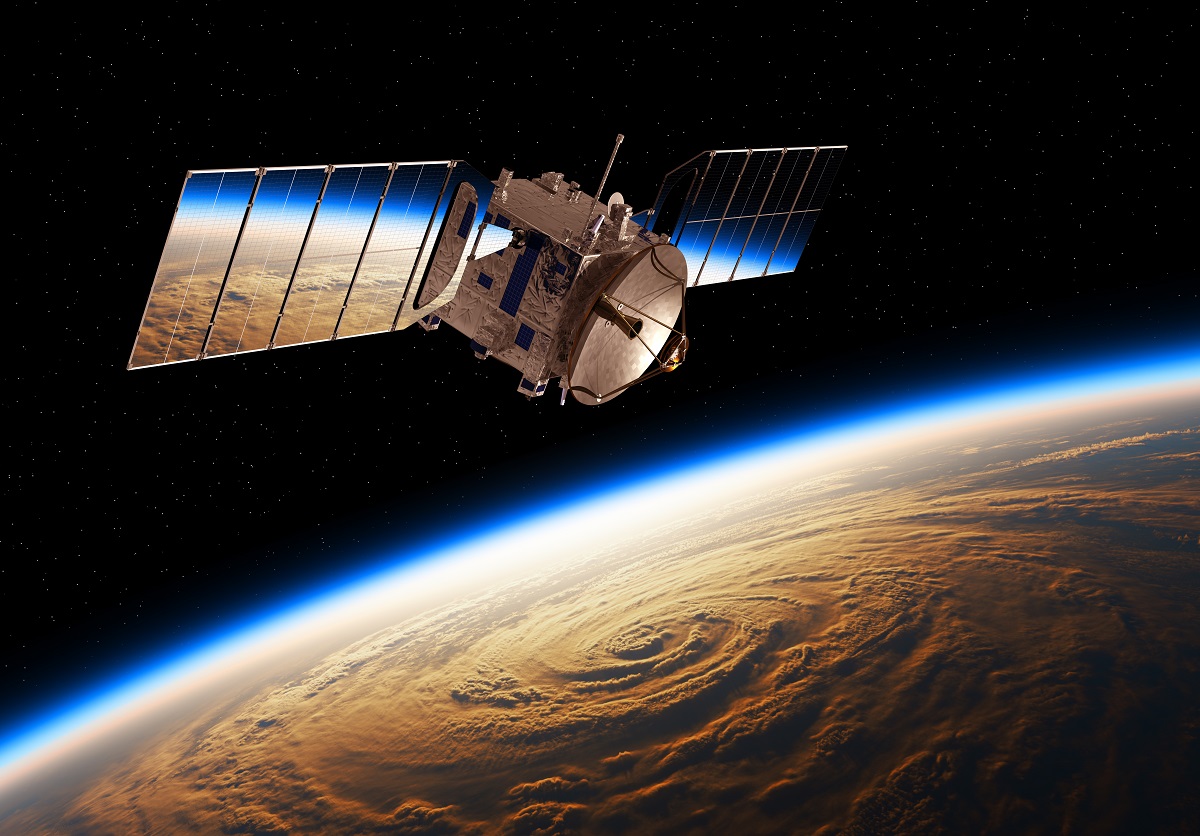
Satellites are a cornerstone of space technology, providing communication, navigation, and weather forecasting. Earth observation satellites help scientists monitor climate change, track deforestation, and predict natural disasters. The global connectivity offered by these satellites also supports technologies like AI assistants and the Internet of Things (IoT).
Private Companies and Space Innovation
Space exploration is no longer limited to government agencies. Companies like SpaceX, Blue Origin, and Virgin Galactic are leading the commercial space race. Their innovations in reusable rockets and cost-efficient space travel are making space more accessible than ever before. These ventures are a prime example of how AI and human creativity can work together to push the limits of innovation.
Challenges of Space Technology
Despite the progress, space exploration faces major challenges. High costs, long distances, radiation exposure, and communication delays remain significant obstacles. Engineers and scientists continue to develop solutions to ensure safety, efficiency, and long-term sustainability in space missions.
Major Challenges Ahead
- Developing cost-effective propulsion and fuel systems
- Ensuring astronaut safety during long-term missions
- Building sustainable habitats on other planets
- Reducing space debris and orbital congestion
The Future of Space Exploration
The future of space exploration is being shaped by advanced technologies that combine AI, robotics, and automation. As missions extend beyond Mars, quantum computing, nanotechnology, and biotechnology may become critical for survival and research. The integration of smart technology, similar to trends seen in future AI technology, will help humanity take its next giant leap into the cosmos.
Conclusion
Technology in space exploration has taken us farther than ever before — from orbiting Earth to reaching the edges of our solar system. As innovation continues, we’re not only unlocking the secrets of the universe but also creating solutions that benefit everyday life on Earth. Whether through AI-driven research, advanced propulsion, or robotic exploration, the future of space travel is bright, bold, and boundless.