
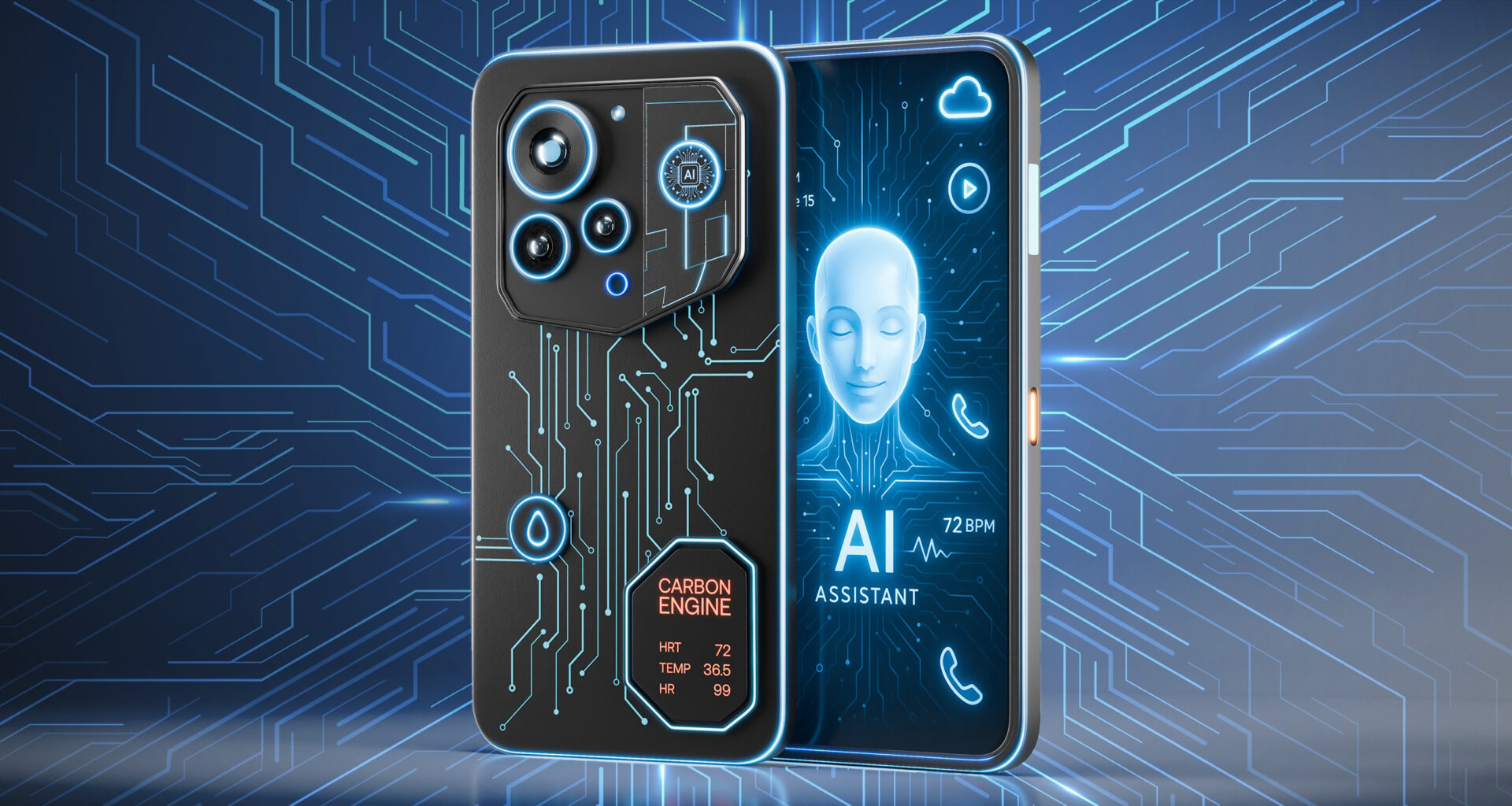

Future of Smartphones and Devices
The future of smartphones and devices is unfolding faster than anyone could have imagined. What started as a simple communication tool has evolved into a personal assistant, entertainment hub, and productivity powerhouse. As technology continues to advance, the smartphones and connected devices of the future will become smarter, more sustainable, and deeply integrated into our daily lives. From foldable screens to AI-driven operating systems, let’s explore what the next generation of smart devices will bring.
The Evolution of Smartphones
Since the first iPhone launched in 2007, smartphones have revolutionized how we interact with the world. Over the years, we’ve seen innovations like touchscreens, high-resolution cameras, and 5G connectivity. Now, as we enter 2025 and beyond, the smartphone is transforming once again — becoming a gateway to artificial intelligence, augmented reality, and cloud computing. This evolution mirrors the broader future of technology trends that are shaping every part of modern life.
Major Milestones in Smartphone Technology
- Introduction of touchscreen interfaces
- Adoption of 4G and 5G networks
- Rise of AI-powered virtual assistants
- Integration of AR and VR capabilities
- Development of foldable and flexible displays
AI Integration in Smart Devices
Artificial Intelligence (AI) has become the brain behind modern smartphones and devices. AI enhances everything from photography to personalized recommendations. Virtual assistants like Siri, Google Assistant, and Alexa are evolving into more advanced AI companions capable of understanding context, emotions, and even predicting user needs. This transformation connects closely with how AI is transforming digital marketing and business operations across industries.
AI-Powered Features of Future Devices
- Adaptive interfaces that learn user behavior
- Predictive text and voice recognition
- AI camera enhancements and scene detection
- Smart battery and performance optimization
- Context-aware notifications and reminders
Foldable, Rollable, and Modular Designs
Design innovation is one of the most exciting areas in the future of smartphones. Foldable devices are becoming more durable and practical, offering tablet-sized screens that fit in your pocket. Rollable displays and modular designs will allow users to customize their devices for specific needs — whether gaming, productivity, or creativity. These futuristic designs are the next step beyond the innovations seen at CES 2025.
Next-Gen Design Innovations
- Foldable Displays: Flexible OLED screens that fold seamlessly.
- Rollable Screens: Expanding displays for multitasking.
- Modular Phones: Replaceable parts to extend device lifespan.
- Holographic Displays: 3D visuals projected without glasses.
- Transparent Devices: Sleek designs powered by smart glass technology.
5G and Beyond: Connectivity of the Future
The rollout of 5G technology has dramatically improved internet speeds and reduced latency, making mobile gaming, streaming, and real-time communication smoother than ever. But the journey doesn’t stop there — 6G networks are already in development, promising to connect devices faster than the human brain can process. These advances will empower the growth of IoT ecosystems, smart homes, and connected vehicles, echoing the innovations explored in what is Internet of Things (IoT).
How 5G and 6G Will Change Devices
- Ultra-fast cloud connectivity for apps and gaming
- Enhanced AR/VR performance with minimal lag
- Seamless IoT integration for smart homes
- Remote medical and educational support via mobile devices
- Real-time AI data processing in the cloud
Sustainability and Eco-Friendly Innovation
As environmental awareness grows, tech companies are focusing on sustainable smartphone production. Devices are being designed with recyclable materials, energy-efficient processors, and biodegradable packaging. Solar-powered charging and long-lasting batteries are becoming standard features. These efforts align with broader innovations in tech fighting climate change and demonstrate that technology can evolve responsibly.
Eco-Friendly Features in Future Devices
- Recycled aluminum and plastic materials
- Modular designs that reduce electronic waste
- Solar and kinetic charging options
- Energy-efficient processors and displays
- Repair-friendly designs promoting longevity
Augmented and Virtual Reality Integration
Augmented Reality (AR) and Virtual Reality (VR) are transforming smartphones into immersive experience devices. Future smartphones will serve as the gateway to the metaverse — offering users virtual shopping, gaming, and social interaction spaces. These technologies are reshaping industries much like AR is changing the gaming world, and their adoption in everyday devices will redefine entertainment and communication.
Examples of AR and VR Integration
- AR navigation overlays in real-world environments
- Virtual meetings and social hangouts in 3D spaces
- AR shopping experiences for retail
- VR learning and training programs
- Immersive storytelling and entertainment
Wearable Technology and Device Ecosystems
The future of smartphones is not just about the phone itself — it’s about the ecosystem of connected devices. Smartwatches, earbuds, glasses, and even smart clothing will sync with smartphones seamlessly. The line between phone and wearable tech is blurring, as explored in the future of wearable tech. These ecosystems will provide users with real-time health data, communication, and productivity tools wherever they go.
Smart Ecosystem Features
- Instant device synchronization across platforms
- Health tracking and biofeedback integration
- AI-powered voice and gesture controls
- Seamless media and app sharing between devices
- Smart glasses and augmented vision features
Security and Privacy in Next-Gen Devices
With greater connectivity comes greater responsibility. Future smartphones will integrate advanced security systems using AI and biometrics to safeguard user data. Face recognition, voice authentication, and even emotion detection will become more accurate and harder to exploit. These advancements parallel the growing importance of cybersecurity awareness in the digital age.
Emerging Security Innovations
- Quantum encryption for mobile data
- AI-driven fraud detection
- Secure cloud synchronization
- Decentralized identity systems
- Privacy-first operating systems
Conclusion
The future of smartphones and devices promises innovation, intelligence, and sustainability. From AI-driven operating systems and foldable displays to eco-friendly materials and AR experiences, these technologies will shape how we live, work, and communicate. The smartphone is no longer just a gadget — it’s an extension of human intelligence and creativity. As we move toward a hyper-connected world, embracing these innovations will allow us to stay ahead in the digital revolution.