
AI Agents Explained: Functions, Types, and Applications
Artificial intelligence is rapidly evolving, and AI agents are at the forefront of this transformation. These intelligent systems can perform tasks, make decisions, and interact with humans autonomously. In 2025, understanding AI agents is essential for businesses, developers, and enthusiasts who want to leverage AI to improve productivity, automation, and user experiences.
What Are AI Agents?
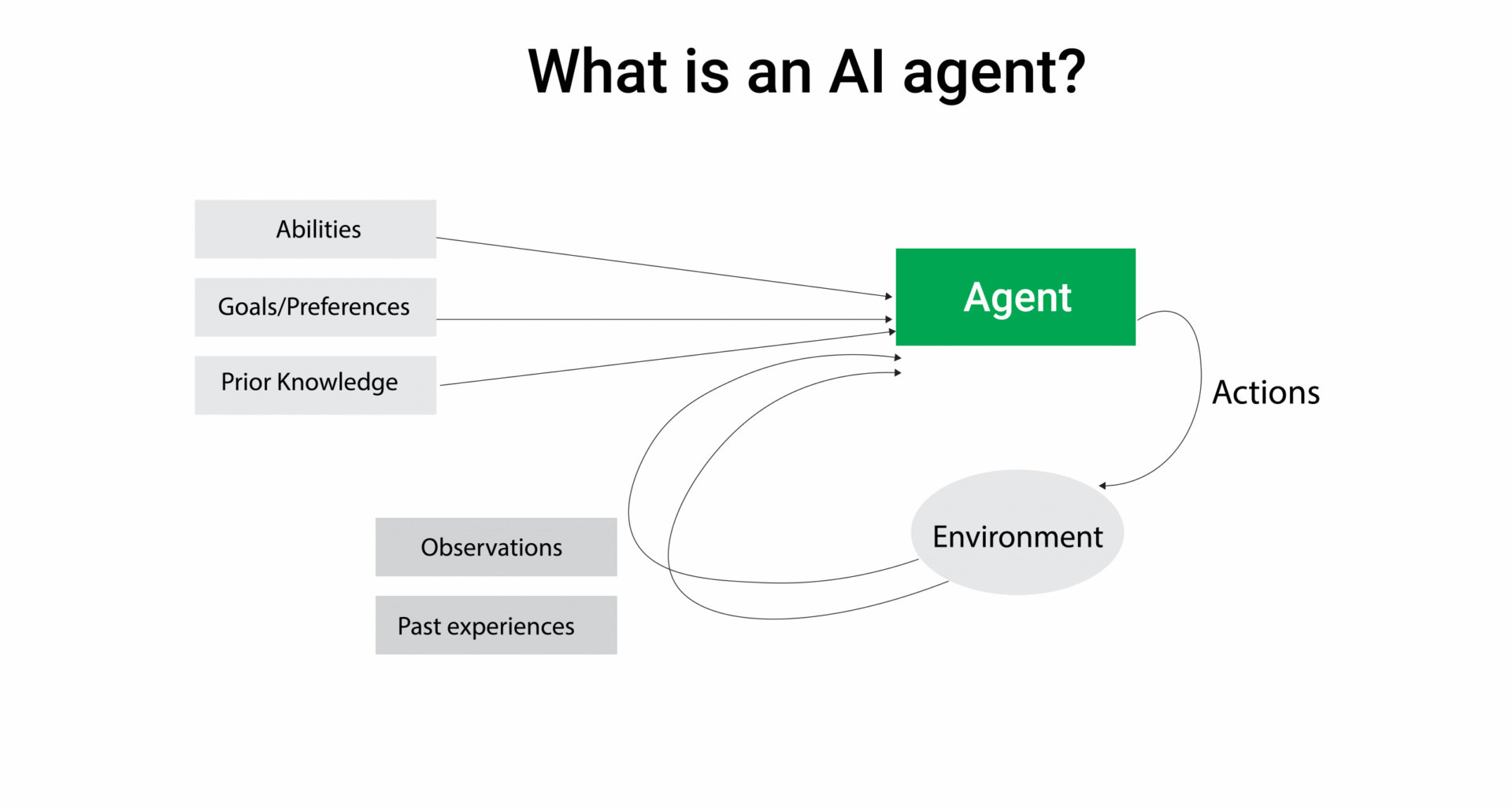
An AI agent is a software entity designed to perform specific tasks using artificial intelligence algorithms. Unlike traditional programs, AI agents can learn from data, adapt to changing conditions, and operate autonomously. They are widely used in industries ranging from customer service to healthcare, finance, and robotics.
Core Functions of AI Agents
- Processing data and identifying patterns
- Learning from historical data for better predictions
- Automating routine tasks and workflows
- Interacting with users via natural language
- Integrating with other AI systems for complex problem-solving
Types of AI Agents
AI agents come in multiple forms, each serving unique purposes. Choosing the right type depends on the application, complexity, and environment.
Reactive Agents
Reactive AI agents respond to stimuli without memory or internal representation. They are used in simple tasks like chatbots and real-time monitoring systems.
Deliberative Agents
These agents maintain an internal model of the environment and make decisions based on planning and reasoning. They are common in robotics and autonomous vehicles.
Learning Agents
Learning AI agents improve performance over time using machine learning techniques. Examples include recommendation systems and AI assistants.
Multi-Agent Systems
These consist of multiple AI agents that interact and collaborate to solve complex tasks, such as traffic optimization, supply chain management, or simulation games.
Applications of AI Agents in Business
Businesses are increasingly relying on AI agents to streamline operations, improve customer experiences, and enhance decision-making.
Customer Service Automation
AI chatbots and virtual assistants handle routine queries, reducing wait times and improving satisfaction. They can also escalate complex issues to human representatives when needed.
Predictive Analytics
AI agents analyze large datasets to identify trends, forecast demand, and provide actionable insights for strategic decisions. Industries such as finance, retail, and logistics benefit immensely from predictive AI.
Robotic Process Automation (RPA)
AI agents automate repetitive office tasks, like invoice processing, data entry, and report generation. This reduces errors and allows employees to focus on higher-value activities.
Smart Manufacturing
In factories, AI agents monitor equipment, optimize production schedules, and predict maintenance needs. This improves efficiency, reduces downtime, and lowers operational costs.
AI Agents in Daily Life
Beyond business, AI agents are shaping everyday experiences. From personal assistants like smart speakers to intelligent home automation, AI agents make life more convenient and efficient.
Personal Assistants
AI agents such as virtual assistants help manage schedules, set reminders, provide recommendations, and even automate home tasks through IoT devices.
Healthcare Applications
AI agents monitor patient data, suggest treatment plans, and assist doctors in diagnostics. They improve healthcare outcomes by enabling faster and more accurate decisions.
Education and Learning
AI tutors and agents provide personalized learning experiences, track student progress, and offer adaptive content to improve engagement and comprehension.
Challenges and Ethical Considerations
While AI agents offer tremendous benefits, challenges remain. Privacy concerns, algorithmic bias, and transparency are critical issues. Developers and businesses must ensure AI agents operate ethically and responsibly.
Future of AI Agents
The future of AI agents involves more autonomy, advanced decision-making, and collaboration with humans. Integration with emerging technologies like edge computing, IoT, and quantum computing will further expand their capabilities. As AI agents evolve, they will continue to transform industries, productivity, and daily life in ways that were unimaginable just a few years ago.