
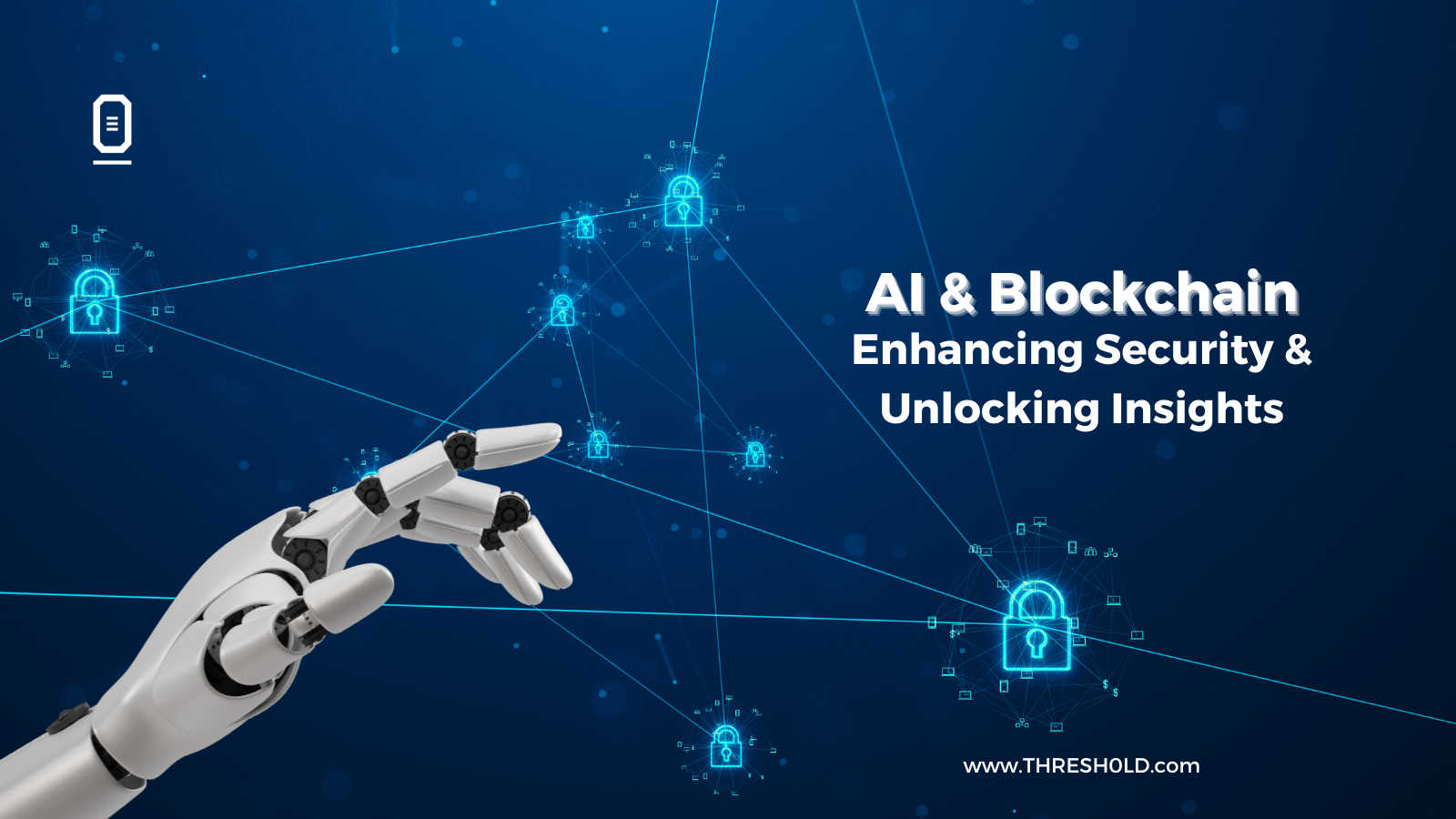

How Blockchain Is Improving Security in 2025
In today’s digital world, cybersecurity is one of the biggest challenges for individuals and businesses. As cyber threats evolve, traditional security measures often fall short. This is where blockchain technology steps in, offering a decentralized, transparent, and tamper-proof solution for data security. Blockchain is no longer limited to cryptocurrency — it’s now transforming how organizations protect their digital assets, transactions, and user identities.
Understanding Blockchain Technology
At its core, blockchain is a distributed ledger that records transactions across multiple computers. Each record, or block, is linked to the previous one, forming a chain of secure data. Once information is added to the blockchain, it becomes nearly impossible to alter, which makes it an ideal tool for security.
Unlike centralized systems, blockchain doesn’t rely on a single point of control. Instead, it distributes data across a network of nodes, ensuring that no single entity can manipulate or delete records. This design dramatically enhances protection against hacking and data tampering.
How Blockchain Improves Data Security
One of the most significant benefits of blockchain is its ability to ensure data integrity and confidentiality. Each transaction is encrypted and verified through consensus mechanisms, reducing the risk of fraud and unauthorized access. For businesses, blockchain provides a trustworthy way to store and share information securely.
Key Security Benefits of Blockchain
- Decentralization: No central point of failure reduces the risk of attacks.
- Encryption: All data is encrypted using advanced cryptographic algorithms.
- Transparency: Transactions are verifiable and traceable by authorized users.
- Immutability: Once recorded, data cannot be altered or deleted.
- Smart Contracts: Automated security rules ensure tamper-proof agreements.
With these features, blockchain has become one of the most trusted technologies for enhancing cybersecurity in finance, healthcare, and supply chain industries.
Blockchain and Cybersecurity in Business
Many companies are adopting blockchain-based security solutions to prevent data breaches and identity theft. Blockchain systems eliminate intermediaries, minimizing the risk of data exposure. Businesses also use it to authenticate users, manage access control, and protect sensitive customer data.
In industries like finance, blockchain ensures that transactions are verified and encrypted without the need for third-party intervention. This reduces fraud, speeds up payments, and enhances transparency. In healthcare, blockchain helps secure patient records, ensuring that only authorized professionals can access them.
Use Cases of Blockchain in Cybersecurity
- Identity verification and authentication
- Fraud detection and prevention
- Secure supply chain tracking
- Decentralized cloud storage
- IoT device protection
These use cases prove how blockchain is revolutionizing the cybersecurity landscape by ensuring trust and reliability across all industries.
Blockchain and Artificial Intelligence Integration
In 2025, the combination of AI and blockchain is driving the next wave of secure digital transformation. While AI helps analyze threats and detect vulnerabilities in real time, blockchain ensures that the data AI systems rely on is accurate and tamper-proof. This synergy is being used in industries such as finance, logistics, and smart cities to improve data integrity and system transparency.
For example, AI models trained on blockchain-verified data are less likely to produce biased or manipulated results. This makes the combination of these technologies essential for creating secure and ethical AI systems.
Internal Links to Related Articles
- AI Helping You Earn More
- Future Gadgets to Watch
- Machine Learning in Business
- Understanding Deep Learning
- AI Revolution in Transportation
Future of Blockchain Security
Looking ahead, blockchain security will continue to evolve. Quantum-resistant algorithms and next-generation consensus mechanisms will make systems even more secure. Governments and organizations are expected to adopt blockchain for secure data management, digital identity verification, and cybercrime prevention.
Furthermore, blockchain in communication will enhance data privacy across digital channels. Secure messaging apps and encrypted transactions will become standard, reducing the risks of hacking and data interception. As more industries transition to blockchain, its applications in cybersecurity will grow exponentially.
Conclusion
Blockchain technology has already proven itself as a game-changer in security. Its decentralized nature, transparency, and immutability make it the ultimate tool for preventing cyber threats. As we move deeper into the digital era, adopting blockchain-based security systems will be essential for protecting sensitive information, building trust, and creating a safer online world. In 2025 and beyond, blockchain will continue to redefine what it means to be secure in the digital age.