

Tech Changing Architecture
Architecture has always been about design, creativity, and vision, but in today’s world, technology is changing everything about how buildings are imagined, planned, and constructed. From the tools used in design studios to the machines shaping steel and concrete, technology is rewriting the language of architecture. Modern architects no longer depend only on sketches and models; they now use advanced digital tools, artificial intelligence, and even augmented reality to create smarter, more sustainable, and more human-centered structures. The relationship between technology and architecture is evolving faster than ever before, and what used to take years to build is now possible in months.
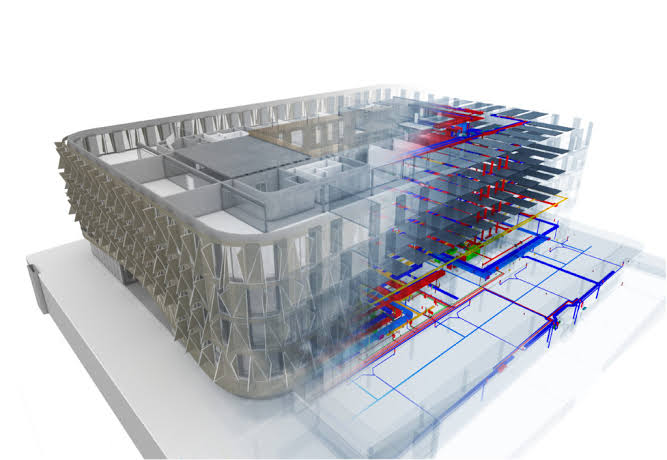
One of the biggest revolutions in architecture today is the use of Building Information Modeling, or BIM. This digital system allows architects, engineers, and builders to work together on a single intelligent model of a building. Every wall, window, pipe, and cable can be digitally visualized before construction even begins. It eliminates mistakes, reduces waste, and saves both time and money. BIM also integrates with real-time simulation software, allowing designers to test how a building performs under wind, rain, heat, or earthquake conditions. This innovation marks a new level of precision and collaboration that old-fashioned blueprints could never offer.
Artificial intelligence is another game-changer in architecture. AI can analyze thousands of design variations in minutes, finding the best possible layout, structure, and material usage for a building. It can suggest energy-efficient forms, natural lighting solutions, or even aesthetic balance based on cultural and environmental data. Many firms are now using AI-driven tools to generate early concept designs, saving architects countless hours of manual drafting. The integration of AI doesn’t replace human creativity — it enhances it. Machines handle the calculations while architects focus on vision, emotion, and experience. For deeper insights on AI transforming industries, you can also explore AI vs Human Creativity.
3D printing has also entered the architectural world in an exciting way. With massive printers capable of extruding concrete, clay, or recycled materials, entire homes and small buildings can now be printed layer by layer. This technology is reducing construction costs and minimizing environmental impact. In many developing regions, 3D printing provides affordable housing solutions within days. It’s fast, precise, and sustainable. Architects can now create organic, futuristic forms that were once impossible with traditional construction methods. This new wave of technology not only redefines efficiency but also encourages creativity beyond traditional limits. To learn how 3D printing transforms manufacturing, check out our post How 3D Printing Changes Manufacturing.
Virtual reality and augmented reality have also become essential in architectural practice. Clients can now walk through their future buildings before they’re built. With VR headsets, they can experience every room, feel the scale, and sense the atmosphere. AR overlays digital structures on real environments, helping architects present ideas to clients and construction teams in real-time. This immersive technology bridges imagination and reality, removing misunderstandings and aligning everyone’s vision. It’s a more emotional and interactive process — one where design feels alive before construction begins.
Smart materials are also changing the future of architecture. Glass that adjusts transparency based on sunlight, self-healing concrete that fixes cracks automatically, and materials that absorb pollution are becoming mainstream. These innovations make buildings more durable, intelligent, and sustainable. Architecture is now a combination of art, engineering, and environmental science. Every wall and surface can serve a function — whether it’s to generate energy, purify air, or improve thermal comfort. The buildings of tomorrow will not just stand; they will interact with nature and the people living inside them.
Another revolution is happening through robotics and automation. Robots are now helping to lay bricks, pour concrete, and even assemble entire structural components. Drones map construction sites, monitor progress, and inspect high-rise buildings safely. Automation brings accuracy, reduces labor costs, and speeds up complex projects. It also improves safety by taking humans away from dangerous tasks. Many architects now design with robotic construction in mind, creating modular elements that machines can easily build. This partnership between human creativity and machine precision defines the new generation of architecture.
Green architecture and sustainability are at the center of this technological evolution. Smart sensors track temperature, humidity, and light to reduce energy waste. AI-controlled ventilation systems adapt to weather changes, keeping buildings efficient all year round. Solar panels and energy-harvesting materials are integrated directly into walls and windows. With these innovations, architecture becomes part of the environmental solution rather than the problem. To discover how technology supports climate solutions, you can read our feature Tech Fighting Climate Change.
AR and VR are not only improving design but also helping with education. Architecture students can now study global landmarks in immersive 3D environments, learning construction techniques virtually. They can explore the structure of the Eiffel Tower, walk through the Colosseum, or design their own city in real-time simulations. This kind of learning goes far beyond textbooks. It creates intuitive understanding and faster skill development. Education is evolving alongside architecture itself, supported by technology that encourages experimentation and discovery.
Another field closely tied to architecture’s digital transformation is data analytics. Buildings are becoming data-driven entities. Smart sensors collect information about energy use, air quality, and occupant behavior. This data helps architects improve future designs and make cities more livable. In smart cities, technology allows buildings to communicate with each other — adjusting lighting, power, and waste management systems dynamically. The concept of the Internet of Things plays a crucial role here. For a clearer idea of how IoT integrates into daily life, visit our post What is Internet of Things?.
Technology is also transforming the way architects collaborate globally. Cloud-based tools allow design teams in different countries to work on the same model simultaneously. A designer in Tokyo can modify a wall, and someone in New York will see it instantly. This real-time collaboration reduces delays and increases innovation. The architectural world has become borderless. For more about this transformation in digital workspaces, explore Future of Remote Work Tech.
Even urban planning is evolving with technology. Using AI simulations and predictive analytics, planners can forecast population growth, traffic flow, and energy demand decades ahead. This helps cities grow sustainably, avoiding congestion and over-development. Smart city projects now include green spaces, digital transportation grids, and eco-friendly residential zones designed entirely with data and technology. These changes improve the quality of life while keeping the environment in balance.
Architecture in the near future will merge with augmented spaces, where digital content interacts with the physical environment. Imagine a building façade that changes visuals during the day, or a wall that projects helpful information to its occupants. As AR becomes mainstream, architecture will blend digital media with physical form. It’s a new creative era where the line between the real and the virtual disappears. This evolution is not only about function but also about experience — making architecture dynamic, responsive, and emotionally engaging.
Technology has also opened new opportunities for small architectural firms and startups. Tools that were once too expensive are now accessible to everyone. Freelancers can design high-quality projects using cloud software, AI design assistants, and online visualization platforms. This democratization of technology allows creativity to flourish anywhere in the world. You can explore how startups use technology to scale faster in our piece Startups Using AI to Scale.
The future of architecture will depend heavily on technology’s ability to make the built environment more sustainable, efficient, and inclusive. As cities expand and populations grow, technology gives architects the tools to create better spaces — not just taller buildings. The goal is no longer size or luxury, but harmony between people, technology, and nature. With innovations like 3D printing, AI design, and smart materials, the architecture of tomorrow will redefine what it means to live, work, and connect. Technology has become the architect’s most trusted partner, shaping a world where imagination truly has no limits.