Biotechnology Advances 2025
Biotechnology is evolving at a pace that is changing healthcare, agriculture, medicine, and even the way humans interact with technology. In 2025, the breakthroughs in biotech are more transformative than ever, driven by artificial intelligence, genetic engineering, regenerative medicine, and sustainable bio-production. These innovations do not simply improve existing systems—they redefine what is scientifically possible. As industries integrate biotechnology into their core operations, technologies such as predictive AI, automated gene editing, and lab-grown materials are unlocking an entirely new era of human progress.
Just like advancements explored in topics such as Future of Technology Trends and AI Revolution in Transportation, biotechnology in 2025 is fueled by AI-powered decision systems and data-driven innovation. The synergy between intelligent systems and biological science has become one of the most powerful forces shaping industries across the world.
The Acceleration of Genetic Engineering
Gene editing is the cornerstone of biotechnology’s next revolution. Tools like CRISPR, once seen as experimental, are now refined to a level where altering genetic sequences is more accurate and more accessible. In 2025, genetic engineering is being applied beyond rare medical cases. It is entering mainstream treatment, agricultural sustainability, and pharmaceutical development. Scientists can now design biological systems in a controlled environment, allowing them to create therapeutic solutions that can prevent diseases long before symptoms appear. Gene therapies enhanced with machine learning models are dramatically reducing development time and improving outcome accuracy.
The fusion of biotechnology and AI mirrors the same transformation seen in articles such as Understanding Neural Networks where computational systems learn and predict complex biological interactions in ways humans never could. This allows researchers to design genetic treatments with unprecedented precision, accelerating cures for previously untreatable illnesses.
Regenerative Medicine and Lab-Grown Organs
Regenerative medicine has leaped forward with scientists now capable of cultivating tissues and organs using patient-specific stem cells. This advancement is eliminating the scarcity of organ donors and minimizing rejection risks. Bioprinting technologies in 2025 allow researchers to print complex tissue layers that mimic natural cell growth. Hospitals are beginning to adopt lab-grown organ transplants as real medical options, reducing waiting lists and improving recovery times. AI-supported modeling helps medical teams analyze how transplanted tissues will behave in the human body long before the actual procedure takes place.
These innovations echo technology improvements in sectors discussed in posts like Technology in Modern Medicine where the merging of digital tools and medical science is setting new benchmarks for patient care. In biotechnology, regenerative medicine stands at the center of this transformation.
AI-Driven Drug Discovery
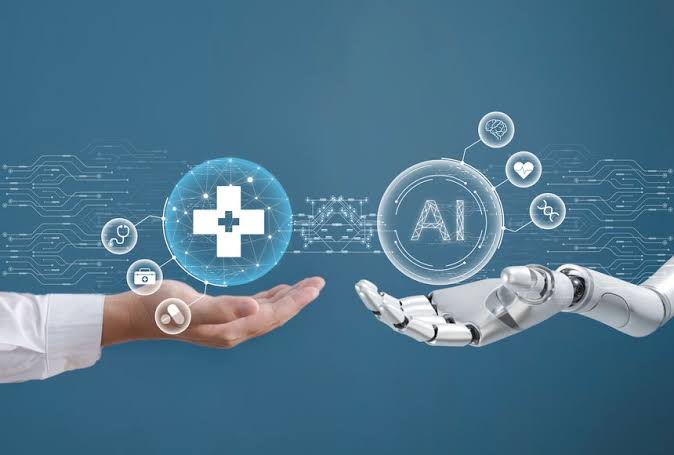
Artificial intelligence is now the backbone of pharmaceutical research. In previous decades, developing a new drug required enormous investment and years of trial and error. In 2025, AI systems simulate billions of molecular combinations in hours, drastically reducing testing time and improving accuracy. Pharmaceutical companies use predictive models to identify how compounds interact with specific diseases, boosting efficiency and improving treatment success rates. AI also helps identify repurposing opportunities for existing drugs, making cures more accessible and affordable.
The same principles powering educational platforms described in AI Tools to Study Faster are revolutionizing biotech. Machine learning interprets biological patterns and predicts outcomes, enabling scientists to make faster and more accurate decisions. As algorithms continue to learn from global health data, treatments will become more personalized than ever before.
Sustainable Bio-Manufacturing and Green Solutions
Biotechnology is influencing environmental sustainability in significant ways. Using living cells to create materials, fuels, and biodegradable plastics is reducing reliance on fossil-based manufacturing. In 2025, bio-manufacturing labs are producing everything from eco-friendly chemicals to wearable materials grown from engineered microorganisms. These biological factories consume less energy, reduce carbon emissions, and create environmentally friendly alternatives for major industries.
This movement toward sustainability aligns with themes explored in Green Tech Is Saving the Planet, where technology and environmental consciousness merge to solve global challenges. Biotechnology is playing a critical role in developing renewable food sources, reducing food waste, and producing carbon-neutral agricultural systems.
Biotechnology in Agriculture and Food Security
2025 marks a turning point for agricultural biotechnology. With global populations rising and climate patterns shifting, biotechnology is essential in creating drought-resistant crops, pest-resistant plants, and faster-growing food sources. Gene-enhanced crops can adapt to unpredictable weather, improving yields and reducing the use of harmful pesticides. AI-enhanced biosensors help farmers analyze soil conditions, water levels, and plant health in real time, enabling precision farming.
Food sustainability solutions are now intertwined with AI-powered analytics, similar to innovations discussed in Future of Electric Vehicles where efficiency and optimization are key. Biotechnology brings the same optimization to global food systems, helping prevent shortages and creating more resilient agricultural economies.
The Role of Bioinformatics in Scientific Discovery
As biotechnology produces massive amounts of biological data, the importance of bioinformatics has grown tremendously. Researchers use high-performance computing systems to analyze DNA sequences, protein structures, and cellular interactions. These tools help scientists identify genetic patterns, understand disease mechanisms, and develop targeted treatments. In 2025, bioinformatics is no longer a support field—it is a driving force behind all modern biotech discoveries.
This mirrors trends highlighted in Cloud Storage Explained, where massive data processing and advanced computing need to work together seamlessly. Biotechnology relies heavily on data accessibility, accuracy, and computational power.
Ethical Questions and the Future of Biotechnology
As with any rapidly evolving technology, biotechnology introduces ethical questions. The ability to modify genes, grow organs, and engineer biological systems raises debates about privacy, inequality, and the potential misuse of biological engineering. However, 2025 shows that when regulated responsibly and guided by scientific transparency, biotechnology offers solutions that improve human health, environmental protection, and global sustainability.
These ethical considerations echo concerns explored in AI and Privacy Concerns, where powerful technologies require balanced governance. Biotechnology will continue to grow, but so must ethical frameworks to ensure safety and fairness.
Conclusion
Biotechnology advances in 2025 are shaping a future that blends science, technology, medicine, and sustainability into one interconnected ecosystem. From genetic engineering and regenerative medicine to AI-driven drug discovery and sustainable bio-manufacturing, biotech is at the center of global innovation. This transformation is not isolated; it connects to the broader evolution of technology as seen in many of your site’s articles. The coming years will bring even more breakthroughs, and those who understand these technologies will be better prepared for the future they are helping to build.