
Smart Home Devices You Can Trust
The world of smart technology keeps evolving, but not every device deserves a place in your home. In 2025, people want one thing above anything else: trust. A smart home should feel safe, reliable, and easy to control. The devices we choose must protect our data, improve our daily routines, and integrate smoothly with the rest of our digital world. This is why understanding which smart home devices you can trust has become more important than ever. As the tech ecosystem grows, consumers rely on devices that offer transparency, durability, and secure connectivity.
Before diving deep into how smart home technology is changing the modern lifestyle, it helps to understand the bigger picture of technology’s impact. If you’re curious about how tech shapes the world we live in, you can check out our post on Technology in Everyday Life. That article explains how the digital world now sits at the center of everything we do. It connects directly to why smart home devices matter so much—they’re the physical touchpoints of modern tech in our daily routines.
The Rise of Trusted Smart Home Technology
Smart home devices have been around for years, but only recently have they become mainstream. Earlier versions were interesting but unreliable. Today, homeowners want systems that run on advanced AI, connect to the cloud, and communicate through secure protocols. Brands compete not only on features but on trustworthiness. Security, privacy, and consistent performance are now the top deciding factors when choosing a smart home product.
That’s why trusted smart home devices use upgraded encryption standards, privacy-focused architecture, and improved firmware updates. These updates ensure you stay protected even when cyber threats grow more advanced. If you want to explore how technology is reshaping global security trends, you might also enjoy our article Blockchain Improving Security, which covers how new technologies help build safer digital systems. The same principles apply to smart home infrastructure—trust comes from transparency and strong digital foundations.
How AI Enhances Smart Homes
One major driver behind reliable smart home technology is artificial intelligence. AI helps your devices adapt to your patterns and make decisions that improve convenience and safety. For example, AI-powered assistants can monitor your energy usage, detect unusual behavior around your home, or automatically adjust your environment based on your daily habits.
The role of AI in modern devices continues to grow. As you’ve seen in our post AI Assistants Making Life Easier, artificial intelligence plays a major role in creating frictionless user experiences. Smart home devices rely on these AI mechanisms to respond faster, understand voice commands more accurately, and deliver personalized outputs that improve comfort.
Privacy and Security: The Foundation of Trust
One of the biggest concerns for homeowners adopting smart devices is privacy. Nobody wants a device listening without consent or sending personal data to unknown servers. This is why trusted smart home manufacturers prioritize advanced data policies and transparent privacy settings. Users want control, and a trusted smart device always gives the user the final say.
Security also plays a large role. Devices connected through the internet must be protected from cyberattacks, breaches, and unauthorized access. Strong authentication, encrypted communication, and real-time threat monitoring are now standard in higher-end devices. You can also explore our article AI and Privacy Concerns to understand how AI-related privacy issues are shaping the tech industry. This connects directly to smart home safety standards and the new expectations consumers have for digital protection.
Reliable Smart Home Categories You Can Trust
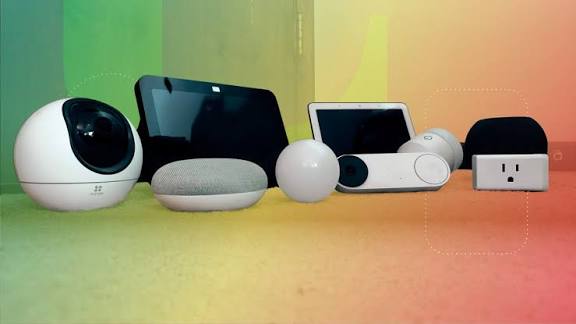
There are several areas where trustworthy smart devices shine. Smart speakers, smart locks, security cameras, thermostats, lighting systems, and energy monitors all play core roles in today’s smart ecosystems. The challenge isn’t choosing the most expensive option—it’s choosing the most reliable one. Trusted devices prioritize stable connectivity over flashy features. They avoid unnecessary data collection, provide regular updates, and work seamlessly across multiple platforms.
For example, high-quality smart speakers now include privacy shutters to cover microphones. Smart locks feature multi-layer authentication systems. Security cameras include encrypted cloud storage and local storage options. Thermostats track energy efficiency without storing personal details. All of these improvements reflect a shift toward responsible innovation. If you want to explore more tech upgrades happening across industries, see our post Future of Technology Trends, which highlights predictions and insights shaping the next generation of digital solutions.
Smart Home Integration: A Connected Lifestyle
Another important aspect of trusted smart home devices is reliable integration. Your home should feel like one unified system, not a collection of individual gadgets. Trusted devices support multiple smart home standards, communicate effectively, and avoid crashing or disconnecting. This helps users enjoy a seamless experience, whether controlling lights, adjusting temperature, viewing security feeds, or automating routines.
One major shift in 2025 is the rise of Matter-compatible devices. Matter is a universal standard that ensures devices from different brands work together flawlessly. This standard boosts trust because users no longer have to worry about compatibility issues or complicated setups.
As we discussed in the article Smart Glasses and AR Future, the tech industry is moving toward unified ecosystems where devices share data responsibly and create smoother user experiences. Smart home devices are part of this transformation, contributing to a fully connected lifestyle.
Energy Efficiency and Sustainability
Trusted smart devices don’t just offer convenience—they help protect the environment too. Modern devices are designed to reduce energy consumption, automate power management, and improve household efficiency. Smart thermostats, smart plugs, and energy monitoring systems help homeowners save money while reducing carbon footprints.
Sustainable technology continues to shape consumer behavior, and smart home devices lead the way. Many homeowners now prefer devices made from recycled materials, energy-efficient components, and low-power AI chips. If environmental tech interests you, don’t miss our post Tech Fighting Climate Change, which explores how digital tools are being used to fight global warming. Trusted smart home devices follow the same principles: efficiency, responsibility, and innovation.
The Future of Trusted Smart Home Devices
Looking ahead, smart homes will continue evolving toward fully automated environments. AI will become more predictive, voice control will be more natural, and privacy systems will become stronger and more user-friendly. Homes will eventually operate independently—optimizing energy, managing devices, and securing the property without constant human input.
As these innovations grow, trust will remain the core factor. Brands will compete not just on features but on how they protect consumer rights, safeguard personal information, and provide long-term reliability. Smart homes will only succeed if users feel safe, respected, and empowered by the technology inside their walls.
Conclusion
Smart home technology is transforming modern living, but choosing the right devices makes all the difference. Trusted smart devices must demonstrate reliability, security, privacy, longevity, and ease of use. They must enhance daily life, not complicate it. The best smart homes of 2025 will be built on transparency and user control—qualities that define the future of responsible technology.
To continue exploring this topic, you can also check out related articles like AI Agents Explained and Futuristic Gadgets Coming in 2025. These links expand on how emerging innovations are shaping the devices we rely on every day.