
Renewable Energy Tech Future
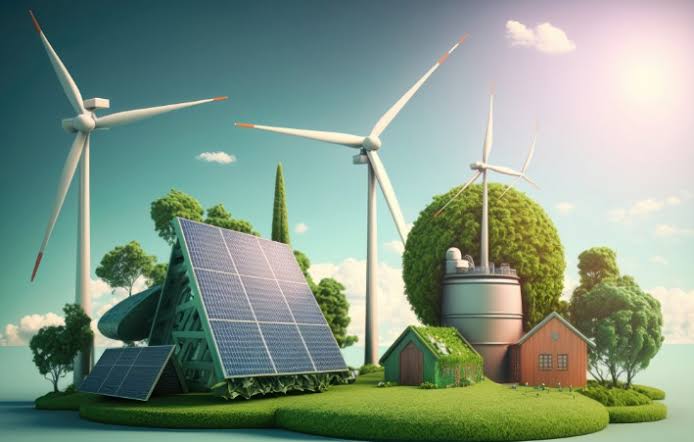
The rapid evolution of renewable energy technology is reshaping the way the world generates and consumes power. From AI-powered energy management systems to advanced solar panels, renewable tech is becoming smarter, cleaner, and more accessible. As global interest grows, the renewable energy tech future promises a world where sustainable energy becomes the backbone of daily life. With climate change accelerating, innovation is no longer optional—it’s essential. Today’s emerging technologies show that the future of clean energy is not only bright but revolutionary.
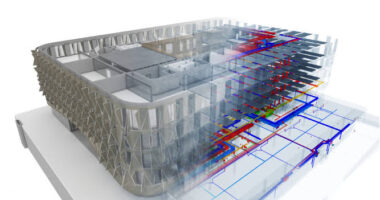
As more industries and households adopt smart devices, the shift toward sustainable energy becomes even more impactful. Many of the innovations that support renewable energy also work alongside modern technologies such as AI, IoT, and automation. For example, systems similar to what we explore in Smart Home Devices You Can Trust are becoming part of energy-efficient homes powered by clean electricity. Likewise, new digital engineering frameworks used in architecture—covered in Tech Changing Architecture—are making eco-friendly structures more practical than ever.
The Rise of AI in Renewable Energy
Artificial intelligence is one of the biggest drivers of the future of renewable tech. AI-powered energy tools optimize power usage, predict weather patterns, and help companies reduce waste. These systems constantly learn from real-time data, making it easier to balance energy loads and improve overall efficiency.
Many startups, especially those highlighted in Startups Using AI to Scale, are integrating renewable energy models into their business strategies. These tools are making solar farms, wind turbines, and hydropower plants significantly more efficient. AI monitors the performance of turbines, predicts energy output based on wind patterns, and even triggers system adjustments without human intervention.
How AI Makes Renewable Energy Smarter
AI systems in renewable energy process massive amounts of data from sensors, satellites, smart meters, and climate models. The result is better forecasting, smarter distribution, and reduced downtime. This level of optimization is crucial for energy stability, especially as renewable energy becomes more widely used worldwide.
One standout application is in electric vehicle charging. When users adopt cleaner cars, the electrical grid faces more demand. With innovations like those discussed in Electric Car Battery Evolution, AI ensures that charging is efficient and sustainable. The combination of AI and EVs is a major stepping stone toward a fully renewable future.
Solar Power Innovations Leading the Charge
Solar power remains one of the most accessible renewable energy sources globally. In recent years, solar technology has transformed dramatically. Modern solar panels are lighter, more durable, cheaper, and more powerful than ever. The emergence of transparent solar panels and solar-integrated building materials is pushing adoption even further.
Future solar innovations include:
- Ultra-efficient perovskite solar cells
- Solar windows and solar roofs
- Portable solar chargers for off-grid power
- Solar-powered IoT and smart devices
- Self-cleaning, dust-resistant panels
These improvements not only support homes and businesses but also power remote locations and smart gadgets. Solar-powered sensors and smart devices, similar to the ones we explore in Smart Devices Learning from You, are expected to become mainstream. They will play major roles in agriculture, logistics, climate monitoring, and smart cities.
Solar Energy in Smart Homes
Solar tech is enhancing the evolution of smart homes. Systems paired with energy storage solutions like smart batteries allow households to generate and store power independently. These innovations reduce energy bills and increase energy reliability while contributing to environmental sustainability.
Wind Energy – Smarter, Cheaper, and More Powerful
Wind energy is another cornerstone of the renewable tech future. Modern turbines are now embedded with AI-driven monitoring systems that increase output and reduce maintenance costs. Offshore wind farms are expanding, producing massive amounts of renewable electricity while taking advantage of stronger sea winds.
Wind power technology is also becoming more accessible for residential use. Compact vertical-axis wind turbines are designed for small homes and urban environments, contributing to decentralized power generation.
Offshore Wind Innovation
Floating wind farms represent the future of large-scale wind energy. These platforms enable turbines to operate far from shore, capturing stronger winds and generating more power. Combined with AI forecasting systems, offshore wind energy will likely become a primary energy source in regions with strong coastal winds.
Hydrogen Energy – The Missing Piece of the Clean Energy Puzzle
Hydrogen energy is rapidly gaining momentum as a clean alternative to fossil fuels. Green hydrogen, produced using renewable electricity, offers a powerful and sustainable way to fuel industries, heavy transport, and even home heating systems.
The challenge has always been production cost—but innovations are reducing these barriers quickly. Hydrogen-powered vehicles, energy storage tanks, and clean fuel cells are gradually entering mainstream markets.
Hydrogen is expected to play a major role in stabilizing renewable energy grids by storing excess power from solar and wind systems.
Smart Grids Powering the Future
Traditional power grids were not designed for the complexities of renewable energy distribution. But modern smart grids are solving this problem. These systems use IoT sensors, AI analytics, and cloud-based controls to automatically manage energy flow and reduce outages.
Smart grids communicate with homes and businesses to optimize energy usage. They adjust supply based on real-time demand and redirect power instantly when needed. This level of automation is essential as more devices connect to the Internet of Things—a topic we covered in What Is Internet of Things?.
Smart Meters and Energy Efficiency
Smart meters track energy usage with extreme accuracy. They help users understand consumption patterns and make informed decisions about energy-saving devices such as efficient appliances and smart thermostats.
These systems will continue to expand as part of the renewable energy ecosystem.
Energy Storage Innovations
Energy storage is one of the most critical components of renewable energy. Without effective storage systems, solar and wind power cannot consistently meet demand. Fortunately, new technologies are emerging that allow energy to be stored at scale efficiently and affordably.
Next-generation batteries, including solid-state batteries, graphene batteries, and iron-air batteries, are becoming more popular due to their safety, lifespan, and cost-effectiveness. These innovations support everything from smart homes to electric vehicles—further supporting advancements like the ones you’ll find in Future of Electric Vehicles.
Sustainable Cities Powered by Clean Energy
The renewable energy tech future is closely linked with the development of smart, sustainable cities. Urban centers are adopting green technologies such as solar roads, energy-efficient buildings, and renewable-powered public transportation. These changes create cleaner, healthier cities while reducing dependence on fossil fuels.
Incorporating renewable energy into architecture is also becoming easier thanks to new design tools and materials. This shift complements modern architectural technologies discussed in Tech Changing Architecture.
Conclusion
The future of renewable energy technology is exciting, dynamic, and full of potential. From AI-driven power management to advanced solar systems and hydrogen fuel innovation, the transition to a sustainable world is well underway. These technologies will influence homes, cities, industries, and daily life. By embracing these changes today, society can build a cleaner, smarter, and more resilient future. Renewable energy is no longer just an option—it is the foundation of tomorrow’s world.