
AI Chatbots Sounding Human: The Future of Digital Conversations
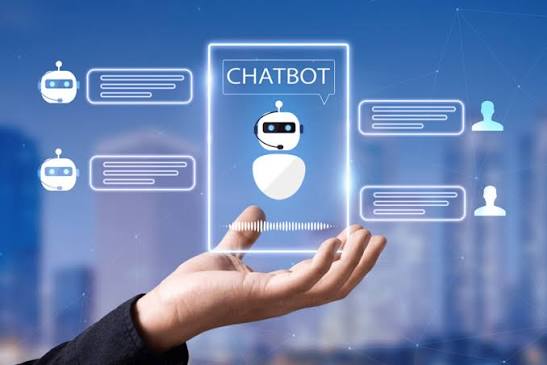
AI chatbots have evolved faster than anyone expected, and 2025 is proving to be the turning point where machines begin to talk, react, and understand almost like real humans. The transformation is not just technical; it’s changing how people work, communicate, shop, study, and solve daily problems. Today, AI chatbots are not simply tools—they are becoming digital partners that can hold a conversation, sense mood, and respond with natural flow. This shift is pushing companies, developers, and consumers into a new era where human-machine interaction feels more alive than ever.
As the global world leans deeper into AI transformation, the rise of human-like chatbots is shaping industries. From AI assistants making life easier to advanced emotional analysis systems, chatbots are evolving into an essential part of everyday digital life.
Why AI Chatbots Are Becoming More Human
The biggest push behind human-like AI chatbots is the integration of advanced technologies such as deep learning, natural language understanding (NLU), and emotional AI. Instead of giving robotic answers, modern chatbots analyze user intent, tone, phrasing, and emotional cues. If a user sounds frustrated, the chatbot responds softly. If a user is excited, the bot matches their energy.
This growth is powered by massive datasets, improved AI models, and real-time learning. These chatbots don’t follow basic scripts—they learn from millions of conversations. They mimic human speech, use casual language, and remember past interactions. That memory allows them to talk naturally and keep up with long-term user needs, a massive upgrade from old repetitive bots.
Emotional AI: Understanding You Better
One of the most important breakthroughs is emotional AI. Think of it like giving chatbots the ability to feel—not emotions like humans, but the ability to detect emotions in others. This is achieved through analyzing text patterns, sentiment, punctuation, and even typing speed. When a user writes “I’m really stressed,” the chatbot doesn’t just reply with a generic message. Instead, it shifts tone and provides comforting messages or practical solutions.
This technology also helps companies provide better customer service and build loyalty. Emotional AI is already used in sectors such as healthcare, online retail, education, and banking. And it’s going to continue growing alongside AI-powered industries like technology in modern education and tech improving online learning.
Natural Voice, Natural Flow
New chatbots are trained to follow natural human speech patterns. They pause, add fillers, and adjust their speed like real people. Voice assistants such as those found in smart homes and mobile devices are now adopting conversational styles that match the user’s age, personality, and speaking habits.
The goal is simple: remove the robotic feeling. And as these models enhance, they now understand complex context such as jokes, sarcasm, storytelling, local slang, and mixed-language messages.
Chatbots Working as Smart Digital Employees
Businesses are shifting from basic help bots to full digital employees. AI chatbots in 2025 can write emails, manage schedules, create content, analyze reports, and even handle customer support faster than humans. These bots integrate with company workflow tools and internal databases, making them efficient assistants in industries such as finance, tech, media, and logistics.
This automation wave is similar to what we’ve already seen in discussions about future tech jobs and skills and how workers can adapt. Rather than replacing humans, these chatbots support them in completing tasks faster and smarter.
Personalized Conversations at Scale
Another powerful feature is personalization. Chatbots can now track user preferences across multiple conversations. If a user likes short answers, the bot adapts. If a user enjoys detailed explanations, the bot shifts tone. Human-like chatbots treat each user differently, based on their habits, history, and needs.
This is why industries like retail, travel, gaming, and digital services are integrating human-style chatbots to improve customer satisfaction. The personalization aspect is also tied to the rise of massive AI ecosystems where users rely on multiple AI tools—from student tech tools to future smartphones.
How Human Should AI Chatbots Be?
This is the question most experts debate. There’s excitement and concern at the same time. Some believe human-style AI creates comfort and smooth experiences. Others worry that too much realism can blur boundaries between humans and machines. The key is balance—chatbots should feel friendly, natural, and supportive, but still clearly be AI.
Developers now design systems that imitate human tone but still maintain transparency. Many countries are pushing regulations requiring AI systems to automatically disclose themselves in conversations. This ensures trust and avoids manipulation.
AI Chatbots in Daily Life
AI chatbots now appear in almost every part of life. From smart homes to wearable devices, they’re becoming part of routines—answering questions, giving reminders, sending notifications, and helping users manage their time. These systems also enhance digital creativity, connecting with industries discussed in technology enhancing creativity.
In customer service, chatbots reduce waiting times. In healthcare, they help patients check symptoms and schedule appointments. In education, they simplify studying and offer personalized guidance similar to platforms explained in AI tools to study faster.
Behind the Scenes: How They Really Work
Human-like chatbots rely on three major engines:
1. Natural Language Processing (NLP) — helps understand words, grammar, and user intent.
2. Deep Learning — trains the chatbot to learn from past conversations.
3. Behavioral Modeling — teaches the bot to detect moods and personalize responses.
Large language models (LLMs) combine these elements into a single intelligent engine capable of learning context and reacting naturally.
The Future of Human-Like AI Chatbots
By 2030, chatbots may have deeper memory systems, long-term emotional models, and stronger connections with smart homes, healthcare systems, and workplace software. Some may even generate real-time facial expressions in virtual environments. Others will integrate with robotics and wearable devices.
One major trend is multisensory interaction: chatbots that understand voice, video, gesture, and text at once. This type of mixed communication will change everything from customer support to entertainment.
Another big direction is independent AI agents—chatbots that can take action, explore the web, and complete tasks without constant instructions. These developments link to future topics such as AI agents explained and the rise of autonomous systems.
Final Thoughts
AI chatbots sounding human is no longer surprising—it’s the new standard. These bots are becoming smart companions that can talk naturally, understand emotions, and help users manage their digital lives. As technology continues to push boundaries, human-like AI will become more common across industries, homes, and daily routines.
The challenge now is not whether chatbots can sound human—it’s how society uses them responsibly, creatively, and ethically. The future of conversation is already here, and machines are learning to speak our language better each day.