

Tech in Automotive Industry
Table of Contents
- Introduction: The Intersection of Technology and Automobiles
- Electric Vehicles: Revolutionizing Transportation
- Autonomous Driving: The Future is Here
- Connected Cars: Driving into the Future
- Alternative Fuels: Beyond Gasoline
- Smart Manufacturing: Tech in Production
- Augmented Reality: A New Dimension
- The Impact of Tech on Automotive Safety
- Conclusion: Embrace the Change
Introduction: The Intersection of Technology and Automobiles
As a teenager or young adult, your daily life is already deeply intertwined with technology. From smartphones to smart home devices, tech is omnipresent. The automotive industry is no exception, evolving rapidly thanks to groundbreaking innovations. Understanding how technology is reshaping vehicles can not only keep you informed but also inspire your interests in science, engineering, and environmental advocacy. Buckle up as we explore the fascinating tech driving the future of automobiles!
Electric Vehicles: Revolutionizing Transportation
Electric vehicles (EVs) have gained immense popularity in recent years, and for good reason. With zero tailpipe emissions and growing infrastructure, they represent a sustainable alternative to traditional gasoline-powered cars. Companies like Tesla, Nissan, and Chevrolet are at the forefront of this electric revolution.
But what makes EVs appealing? Energy efficiency is a key factor. Electric motors convert about 60% of electrical energy from the grid to power at the wheels. In contrast, gasoline vehicles convert only about 20% of the energy stored in gasoline to forward motion. As battery technology evolves, we can expect longer ranges and shorter charge times, making EVs more practical for everyday use.
For tech-savvy young individuals, exploring careers in green technologies and sustainable innovations offers an exciting path that merges passion with impact.
Autonomous Driving: The Future is Here
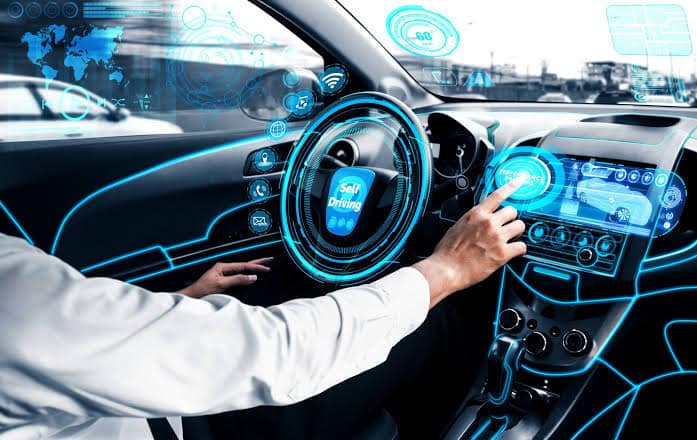
Imagine sitting in a car that drives itself. Autonomous vehicles (AVs) are no longer a sci-fi fantasy; they are being tested and developed by various companies, including Waymo and Uber. With sensors, cameras, and artificial intelligence (AI), these vehicles can navigate traffic, avoid obstacles, and make driving decisions in real-time.
Why should you care? Autonomous driving has the potential to reduce accidents caused by human error, making roads safer. It may also redefine how we think about car ownership. With shared autonomous vehicles, you could summon a ride anytime, saving money and reducing congestion in urban areas.
As the technology matures, careers in AI, robotics, and software engineering are becoming essential. For young adults, this represents an immense opportunity to contribute to a safer and more efficient future.
Connected Cars: Driving into the Future
Connected cars are another exciting facet of automotive technology. These vehicles communicate with each other and the cloud, creating a network that enhances safety and convenience. Features like real-time traffic updates, remote diagnostics, and in-car Wi-Fi are just the tip of the iceberg.
Imagine being alerted to potential hazards ahead, or receiving updates about your vehicle’s health right on your smartphone. Enhanced data analytics allow for improved driver experiences and can even lead to lower insurance rates due to safer driving behaviors.
This connected ecosystem opens doors for professionals in cybersecurity, software development, and data privacy, so consider diving into these fields if you find this innovative tech fascinating!
Alternative Fuels: Beyond Gasoline
While electric and hybrid vehicles dominate discussions about sustainable transport, various alternative fuels are also making waves. Hydrogen fuel cell vehicles, powered by hydrogen and oxygen, emit only water vapor and offer another promising solution to reduce greenhouse gas emissions. Companies like Toyota and Honda are leading this charge.
Biodiesel, bioethanol, and renewable natural gas are also being explored as eco-friendly fuel sources. The automotive sector is evolving beyond just electricity; it’s about harnessing diverse renewable resources.
Exploring careers in environmental science, fuel technology, and renewable energy can align your professional pursuits with the mission to combat climate change.
Smart Manufacturing: Tech in Production
The automotive industry isn’t just innovating in the vehicles themselves; manufacturing processes are also changing significantly due to technology. Factories are incorporating robotics, machine learning, and IoT (Internet of Things) to improve efficiency, reduce costs, and enhance product quality.
For instance, robots are commonly used for precision tasks such as welding and assembly. Modern factories utilize predictive maintenance technology, which employs data analytics to anticipate equipment failures before they happen, reducing downtime.
If you have an interest in manufacturing, engineering, or robotics, understanding this intersection of tech and production could pave the way for a successful career.
Augmented Reality: A New Dimension
Augmented reality (AR) is set to transform not only how we use vehicles but also how we sell and service them. From AR glasses that assist mechanics in vehicle repairs to interactive displays that provide detailed information about vehicle features, AR is enhancing car experiences in unprecedented ways.
For example, envision using AR to test-drive a vehicle before it’s physically available. This technology could play a critical role in car dealerships, allowing potential buyers to visualize their options in their own environments.
If you’re inclined towards tech journalism, marketing, or creative design, consider how AR can reshape industries and fuel your career aspirations in this digital age.
The Impact of Tech on Automotive Safety
Safety is a paramount concern for any automobile manufacturer, and technology plays a crucial role in improving it. Features like adaptive cruise control, lane-keeping assistance, and automatic emergency braking are rapidly becoming standard in new models. These advanced driver-assistance systems (ADAS) rely on sensors and cameras to detect potential hazards and respond accordingly.
Moreover, innovations like pedestrian detection systems and collision warnings significantly reduce accident rates. As a young driver or passenger, you benefit from these advances every time you get behind the wheel.
With a growing emphasis on safety tech, there are expanding career opportunities in fields like safety engineering and compliance testing, creating a safer driving experience for everyone.
Conclusion: Embrace the Change
The automotive industry is on the brink of a technological revolution. From electric vehicles to connected cars and autonomous driving, each development offers exciting opportunities for young minds who want to be part of the future. Embracing these changes not only helps you stay informed but also opens doors to career paths that can have a lasting impact on society.
Whether you’re interested in engineering, data science, or environmental advocacy, the tech-driven world of automobiles is a fantastic field to explore. Prepare yourself for a future where innovation and sustainability go hand in hand, making our roads safer and our planet healthier. Get involved, stay curious, and be a part of the change!