
Understanding DeFi and Asset Growth: Navigating the On-Chain Economy of 2026
Table of Contents
1. The Foundations: Decentralized Finance in 2026
2. Real-World Asset (RWA) Tokenization: The New Yield Engine
3. Yield Farming 2.0: Automated Liquidity and AI Optimization
4. Staking Evolution: Liquid Staking and Institutional Rewards
5. Decentralized Lending: Maximizing Capital Efficiency
6. Managing the Risks: Smart Contracts and Volatility
7. The Impact of Regulation on DeFi Asset Growth
8. Conclusion
The Foundations: Decentralized Finance in 2026
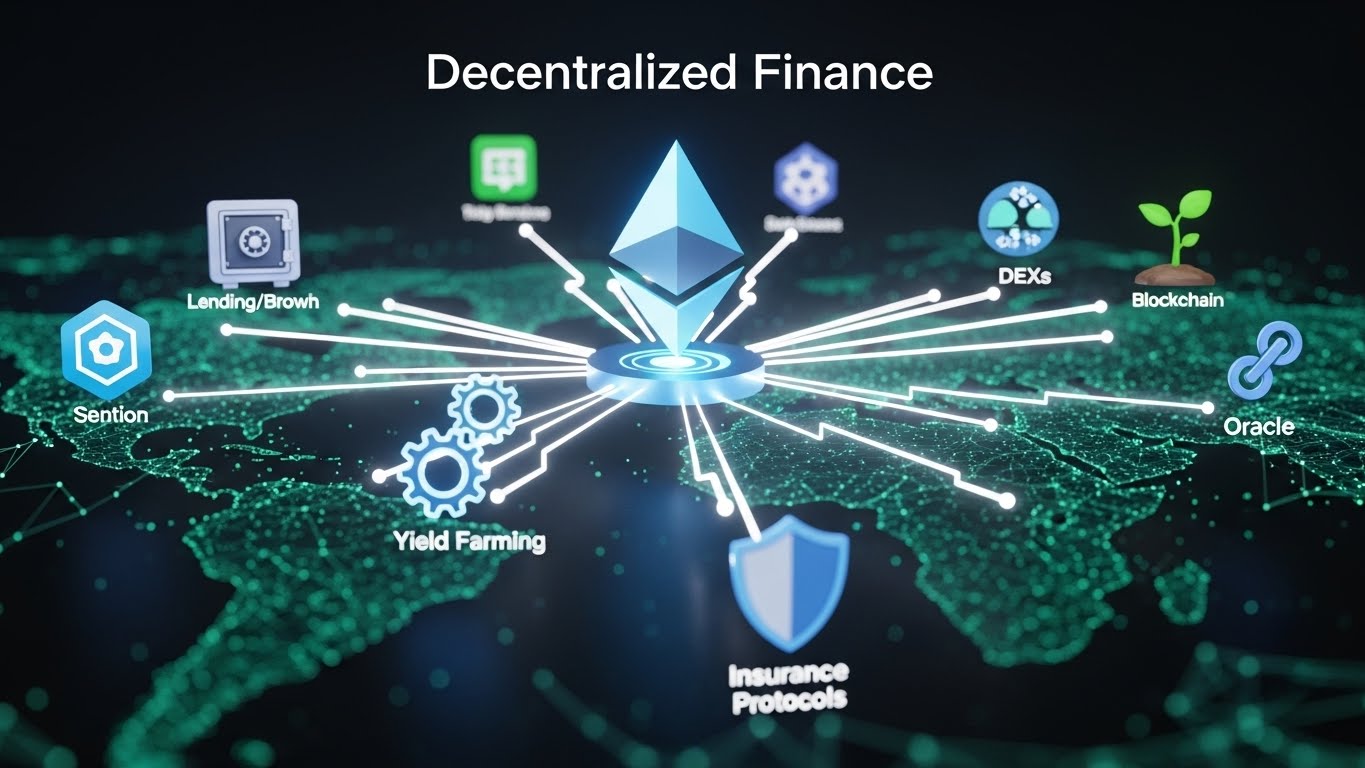
In 2026, Decentralized Finance (DeFi) is defined by its ability to provide banking services—such as lending, trading, and asset management—without traditional intermediaries like banks or brokers. This ecosystem operates on public blockchains, primarily Ethereum and various Layer 2 solutions, using smart contracts to execute transactions automatically. The core appeal remains the same: transparency, accessibility, and the elimination of “middleman” fees. However, the sophistication of these platforms has reached a level where ai agents explained functions types are now integrated into the front-ends to help users navigate complex liquidity pools. By removing the need for a central authority, DeFi allows participants to interact directly in a peer-to-peer network, fostering a more inclusive financial environment where anyone with a digital wallet can access sophisticated wealth-building tools.
Real-World Asset (RWA) Tokenization: The New Yield Engine
The most significant shift in 2026 is the convergence of traditional finance and DeFi through the tokenization of real-world assets. Investors can now earn yield on-chain from tangible assets like U.S. Treasury bonds, commercial real estate, and even trade finance. This has brought “Real Yield” to the ecosystem, moving away from the inflationary token rewards of previous years. As technology shaping human evolution drives us toward digital representations of everything, RWAs provide a stable foundation for asset growth. These tokenized funds offer the security and predictability of traditional markets combined with the 24/7 liquidity and programmability of the blockchain. For an investor, this means your portfolio can grow through a diversified mix of crypto-native assets and digitized traditional securities, all managed within a single decentralized interface.
Yield Farming 2.0: Automated Liquidity and AI Optimization
Yield farming has evolved from a manual and risky process into a highly automated strategy known as Yield Farming 2.0. In 2026, users no longer need to manually move assets between protocols to find the best rates. Instead, they use auto-compounding vaults and liquidity aggregators that utilize ai assistants making life easier for portfolio rebalancing. These systems analyze market volatility and gas fees in real-time to ensure that your liquidity provision is always optimized for the highest possible returns while minimizing impermanent loss. This automation has lowered the barrier to entry, allowing non-technical users to participate in complex market-making activities that were once reserved for professional traders and institutions. By providing liquidity to decentralized exchanges, users earn a portion of the trading fees, creating a steady stream of passive income that compounds over time.
Staking Evolution: Liquid Staking and Institutional Rewards
Staking has become a cornerstone of asset growth in 2026, particularly on Proof-of-Stake (PoS) networks like Ethereum. The rise of “Liquid Staking” allow users to lock up their assets to secure the network while receiving a derivative token that remains liquid and usable in other DeFi protocols. This “Double Yield” strategy—earning staking rewards while simultaneously using the staked representation in lending markets—has become a primary method for maximizing capital efficiency. Furthermore, smart devices learning from you and your risk tolerance can now suggest the best validator pools based on historical performance and slashing insurance. As institutions enter the space, we are seeing the emergence of premium staking pools with custom reward structures, providing a more stable and regulated environment for high-net-worth individuals to grow their digital holdings.
Decentralized Lending: Maximizing Capital Efficiency
Decentralized lending platforms like Aave and Compound continue to be vital for asset growth by allowing users to borrow against their existing crypto holdings. In 2026, this “Self-Banking” model is used for everything from tax-efficient liquidity to leveraged trading. Instead of selling your assets and triggering a taxable event, you can deposit them as collateral and borrow stablecoins to fund new investments. Using ai tools changing modern workflows for risk assessment, these protocols can now offer dynamic collateral ratios and lower interest rates for over-collateralized positions. This ability to maintain exposure to long-term asset appreciation while accessing immediate capital is a powerful tool for wealth accumulation, provided the user monitors their health factor to avoid liquidation during market swings.
Managing the Risks: Smart Contracts and Volatility
Despite the immense opportunities for growth, DeFi in 2026 still carries inherent risks that every investor must understand. The most prominent is “Smart Contract Risk,” where bugs or logical flaws in the code can be exploited by malicious actors. While cybersecurity getting much stronger through AI-driven audits and formal verification, the immutable nature of the blockchain means that once an exploit happens, the recovery options are limited. Market volatility also remains a concern, as rapid price drops can lead to the liquidation of collateralized loans. To mitigate these risks, modern DeFi users employ “Smart Insurance” protocols that provide coverage against contract failures and use ai tools to study faster to analyze the safety scores of new protocols before committing significant capital. Diversification across multiple chains and asset types remains the most effective defense against systemic shocks.
The Impact of Regulation on DeFi Asset Growth
The year 2026 marks a turning point for DeFi regulation, with the passage of major market structure legislation in the U.S. and Europe. While some purists argue that regulation goes against the ethos of decentralization, it has paradoxically driven asset growth by providing the “Guardrails” necessary for institutional capital to enter the market. Regulated stablecoins and KYC-compliant (Know Your Customer) liquidity pools have made it possible for banks and pension funds to participate in on-chain finance. As wearables tracking smart activities and decentralized identity systems allow for more seamless compliance, the “Institutional DeFi” segment is growing faster than the retail market. This influx of capital brings more liquidity and stability to the ecosystem, creating a more predictable environment for long-term investors to build and preserve their wealth.
Conclusion
Understanding DeFi in 2026 is about recognizing that the “Wild West” era of crypto has been replaced by a sophisticated, programmable, and increasingly regulated financial engine. Asset growth is no longer driven by speculative hype but by the real economic value of tokenized assets, efficient liquidity provision, and maximized capital through lending and staking. By leveraging AI-driven optimization tools and maintaining a disciplined approach to risk management, investors can achieve levels of yield and transparency that are simply not possible in the traditional banking system. As we look toward the future, the integration of real-world value with decentralized rails will continue to redefine what it means to grow a portfolio. The on-chain economy is no longer just a trend; it is the new standard for global finance, offering a path to financial sovereignty and sustainable wealth for those who take the time to master its mechanics.
References and Further Reading:
FCNB: A Guide to Decentralized Finance |
DLNews: Ethereum’s Role in On-Chain Finance |
CoinDCX: Crypto Trends and Predictions for 2026