AI Revolution in Transportation
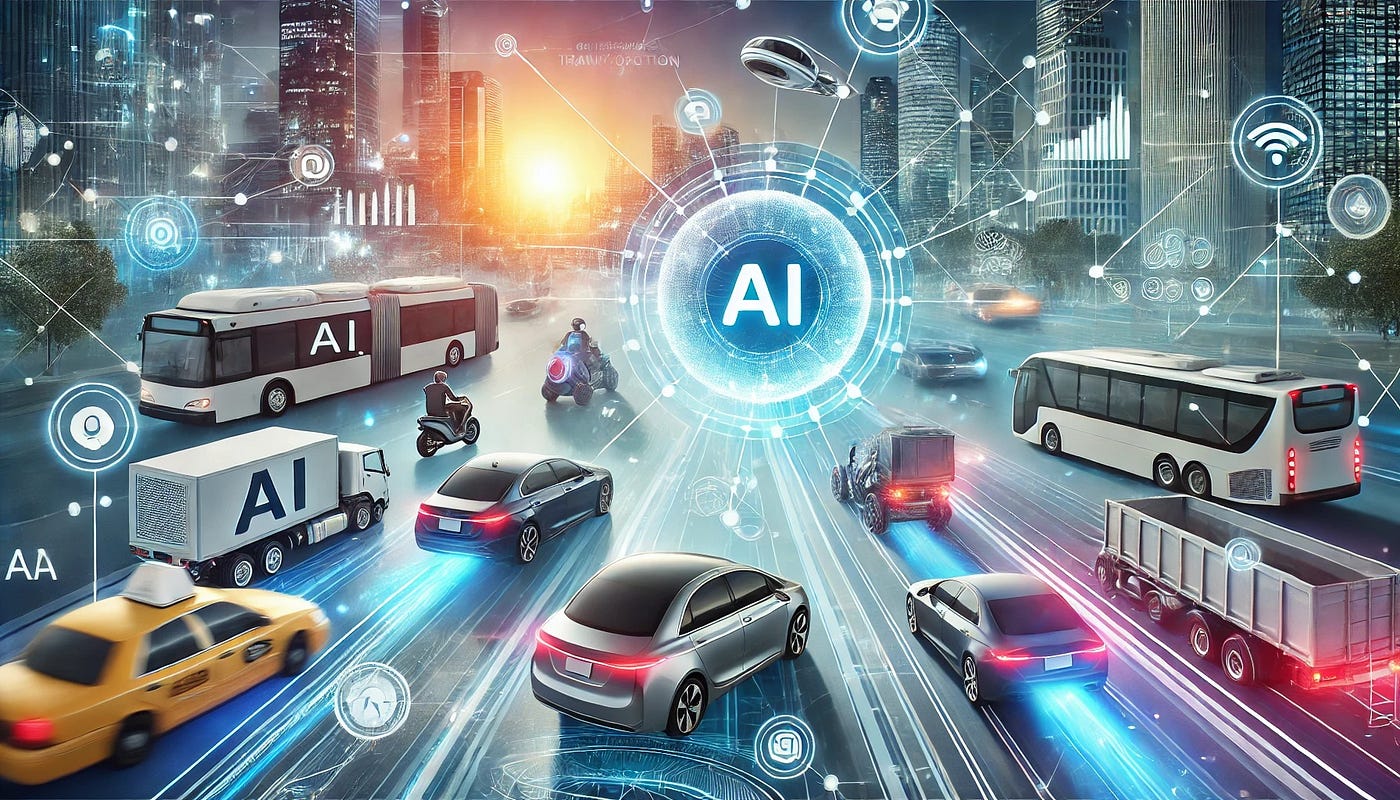
The AI revolution in transportation is reshaping the way we move people and goods. From smart gadgets to autonomous vehicles, artificial intelligence (AI) is creating safer, faster, and more efficient transport systems. As AI technology advances, industries are adopting innovative solutions that improve traffic management, logistics, and passenger experiences worldwide.
Autonomous Vehicles
One of the most visible applications of AI in transportation is self-driving cars. Companies are leveraging AI algorithms, computer vision, and sensor technologies to enable vehicles to navigate roads safely without human intervention. Machine learning in business helps autonomous vehicles learn from real-world data, improving their decision-making capabilities and safety over time.
Benefits of Self-Driving Cars
- Reduced traffic accidents and enhanced road safety
- Lower fuel consumption with optimized driving patterns
- Increased mobility for elderly and disabled individuals
- Efficient route planning and traffic flow optimization
- Integration with smart city infrastructure
AI in Logistics and Freight
AI is also transforming logistics and freight management. By analyzing large datasets, AI predicts demand, optimizes delivery routes, and minimizes delays. IoT sensors track shipments in real-time, ensuring goods are delivered efficiently. Integrating AI with cloud computing enhances supply chain visibility and operational efficiency.
AI Applications in Logistics
- Predictive maintenance of vehicles and equipment
- Route optimization to reduce fuel costs and emissions
- Real-time tracking of shipments and inventory
- Automated warehouses with AI-powered robots
- Demand forecasting for inventory management
Smart Traffic Management
AI is revolutionizing urban mobility with intelligent traffic management systems. By analyzing traffic patterns, AI can control traffic lights, reduce congestion, and improve safety. Cities are implementing AI-driven solutions for parking management, pedestrian monitoring, and accident prevention. Integrating AI with IoT sensors allows real-time response to dynamic traffic conditions.
Key Smart Traffic Innovations
- AI-powered traffic signal optimization
- Smart parking solutions with real-time availability updates
- Predictive analytics for accident hotspots
- Connected vehicle communication systems
- Integration with public transportation data for efficient transit
Future Mobility Solutions
Beyond cars and trucks, AI is enabling new forms of transportation, including drones, autonomous delivery robots, and flying taxis. These innovations aim to reduce congestion, cut emissions, and provide faster delivery and commuting options. Smart mobility solutions integrate AI with IoT devices for seamless urban transportation.
Emerging AI Mobility Innovations
- Autonomous delivery drones for last-mile logistics
- AI-powered flying taxis for urban commuting
- Self-driving buses and shuttles for public transport
- Electric autonomous trucks for freight efficiency
- AI-based traffic simulations for city planning
Challenges and Considerations
While AI in transportation offers immense benefits, challenges remain. Ensuring cybersecurity, maintaining data privacy, and meeting regulatory standards are critical. Moreover, public acceptance and trust in autonomous systems require education and transparency. As AI adoption grows, collaboration between technology providers, governments, and citizens is essential.
Key Challenges
- Cybersecurity threats targeting connected vehicles
- Data privacy concerns from AI analytics
- Regulatory frameworks for autonomous transport
- High development and infrastructure costs
- Integration with existing transportation systems
Conclusion
The AI revolution in transportation is redefining mobility, logistics, and urban planning. From self-driving cars and smart traffic systems to autonomous drones and delivery robots, AI is shaping a safer, faster, and more sustainable transport ecosystem. By embracing these innovations and integrating them with technologies like future gadgets, cloud computing, and IoT, industries and cities can create smarter, more connected transport networks ready for the future.