
AI Tools Changing Modern Workflows
Meta Description: AI tools streamline work for modern business.
Table of Contents
- Introduction
- Understanding AI Tools
- Automation and Productivity
- Data-Driven Decisions
- Collaboration and Communication
- Challenges and Considerations
- Future of AI Workflows
- References
Introduction
Artificial intelligence (AI) has profoundly transformed modern workflows across industries. Organizations now depend on AI tools not just for automation but for improving efficiency, enhancing decision-making, and creating smarter ways of working. In an era where speed, accuracy, and adaptability define competitiveness, AI-driven solutions empower businesses to optimize processes, analyze data in real-time, and respond to market shifts effectively. The integration of AI into daily operations redefines productivity standards and reshapes employee roles, allowing individuals to focus on creativity and strategic thinking rather than repetitive tasks. As we delve into the evolving landscape of AI tools, it becomes evident that they are no longer optional but fundamental to achieving sustainable growth and operational excellence.
Understanding AI Tools
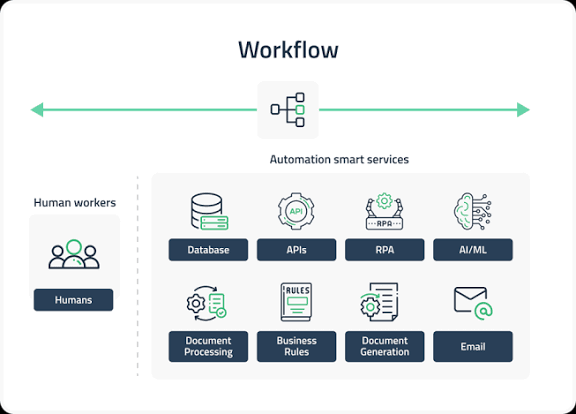
AI tools include software and platforms powered by machine learning, natural language processing (NLP), computer vision, and predictive analytics. They automate tasks, analyze data, and provide actionable insights that help organizations make informed decisions. Virtual assistants, chatbots, recommendation engines, and workflow automation tools have become mainstream, supporting employees in their daily responsibilities. By leveraging AI, businesses can streamline complex operations, reduce errors, and maintain consistency across multiple workflows. These tools are not only used in large enterprises but also increasingly adopted by startups and small businesses, highlighting their versatility and transformative potential.
The evolution of AI tools has been driven by improvements in computational power, algorithm sophistication, and data availability. As algorithms become more intelligent, they can understand context, learn user preferences, and adapt responses accordingly. This enables AI to function as a proactive partner rather than a reactive tool. Employees benefit from AI that anticipates needs, automates routine actions, and provides insightful recommendations. Organizations experience increased efficiency, enhanced decision-making accuracy, and a competitive edge in rapidly changing markets.
Automation and Productivity
Automation is one of the most visible impacts of AI tools in modern workflows. Tasks such as scheduling, data entry, reporting, and customer interactions can now be handled with minimal human intervention. Automation reduces errors, saves time, and allows employees to concentrate on higher-value activities that require creativity, problem-solving, and strategic thought. AI also supports predictive analytics for business processes, enabling proactive responses to challenges and opportunities.
In customer service, AI-powered chatbots handle repetitive queries, freeing human agents to address more complex issues. In manufacturing, predictive maintenance powered by AI prevents downtime by analyzing machine data to predict failures before they occur. Financial departments use AI to automate reporting, detect anomalies, and forecast trends. Even creative workflows benefit from AI, as content generation tools help draft, edit, and optimize materials efficiently. Across sectors, AI-driven automation significantly enhances overall productivity and operational agility.
Data-Driven Decisions
Data is at the core of modern business strategies, and AI tools enable organizations to harness data effectively. Machine learning algorithms process vast datasets, identify patterns, and generate actionable insights that humans may overlook. By applying predictive models, companies can forecast customer behavior, anticipate market trends, and optimize resource allocation.
Marketing teams utilize AI to analyze customer interactions, personalize campaigns, and predict conversion outcomes. Supply chain managers rely on AI analytics to monitor inventory levels, optimize logistics, and reduce operational bottlenecks. Executives use AI dashboards to evaluate performance metrics and make strategic decisions based on real-time data. By incorporating AI-driven insights into workflows, businesses enhance accuracy, efficiency, and competitiveness, enabling data-driven decision-making that aligns with organizational goals.
Collaboration and Communication
AI is also reshaping how teams communicate and collaborate. Intelligent scheduling assistants manage calendars, arrange meetings, and reduce conflicts, ensuring smooth coordination. AI-powered collaboration platforms provide real-time document editing, automated notifications, and intelligent task prioritization, improving team efficiency. In remote work settings, AI ensures seamless connectivity, helping teams maintain alignment and achieve objectives despite geographic separation.
Virtual assistants analyze emails, summarize long threads, and provide context-aware suggestions. AI-driven project management tools track progress, predict potential delays, and recommend workflow adjustments. By reducing friction in communication, AI enables employees to focus on their core responsibilities, enhances transparency, and fosters a culture of collaboration and accountability.
Challenges and Considerations
Despite the benefits, adopting AI tools in workflows comes with challenges. Organizations must address data privacy, algorithmic bias, and workforce adaptation. AI systems require extensive data for accurate predictions, raising concerns about sensitive information security. Bias in AI models can lead to unfair decisions if training data is not representative. Additionally, employees need training and support to understand and work effectively alongside AI systems, preventing over-reliance or misuse.
Managing AI adoption requires a strategic approach. Businesses must implement transparent AI policies, ensure data protection compliance, and foster ethical use. Employees should be encouraged to provide feedback on AI systems, promoting continuous improvement. Balancing automation with human oversight is essential for maintaining accountability, accuracy, and trust in AI-assisted workflows.
Future of AI Workflows
The future promises even more sophisticated AI tools that integrate seamlessly with emerging technologies like IoT, AR/VR, and blockchain. Autonomous AI agents may manage complex workflows, make context-aware decisions, and optimize organizational operations in real-time. Personalized AI assistants could provide actionable insights tailored to individual employee roles, enhancing productivity and satisfaction. Organizations that adopt these innovations will gain a significant competitive advantage by streamlining processes, reducing operational costs, and fostering a culture of innovation.
Furthermore, AI will continue to enhance creativity, enabling humans to focus on high-level strategy while AI handles routine and data-intensive tasks. Ethical AI frameworks, robust security measures, and continuous learning will ensure that AI workflows remain reliable, responsible, and aligned with business objectives. By preparing for these advancements, organizations position themselves to thrive in an increasingly AI-driven world.
References
For further insights into AI-driven workflows, see IBM AI Resources, Forbes on AI Workflows, and SAS AI Insights.