

Blockchain Is Made Simple: Understanding the Basics
Blockchain technology has emerged as one of the most revolutionary innovations of the 21st century. From cryptocurrency to business solutions, understanding how blockchain works is essential for anyone in tech, finance, or innovation. In this article, we will break down blockchain made simple for readers, exploring its key components, real-world applications, and how it integrates with other technologies like quantum computing and machine learning in business.
What is Blockchain?
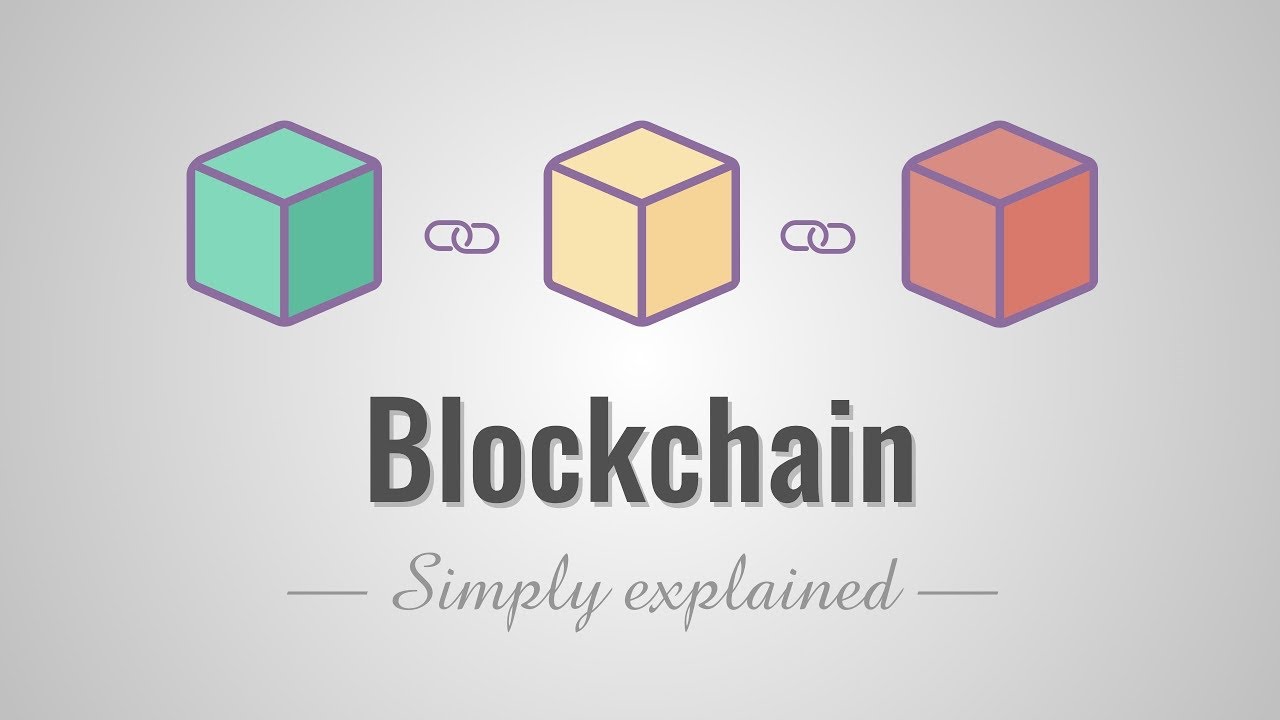
At its core, a blockchain is a decentralized, distributed ledger that records transactions across multiple computers. Unlike traditional centralized databases, blockchain technology ensures that data is secure, transparent, and immutable. Each block contains a set of transactions, a timestamp, and a cryptographic hash linking it to the previous block.
Key Features of Blockchain
- Decentralization – no single authority controls the network
- Transparency – transactions are publicly verifiable
- Immutability – once recorded, data cannot be altered
- Security – cryptographic hashing ensures data integrity
- Efficiency – reduces intermediaries in financial and business processes
These features make blockchain suitable for applications beyond cryptocurrency, including supply chain management, healthcare, and digital identity verification.
How Blockchain Works
Understanding blockchain starts with its structure. Each block contains:
- Data: This could be a financial transaction, smart contract, or other information.
- Hash: A unique code that identifies the block.
- Previous Block Hash: Links the block to the one before it, creating a chain.
Once a block is verified by the network, it is added to the chain permanently. This process ensures transparency and trust without requiring a central authority.
Blockchain and Smart Contracts
Smart contracts are self-executing programs stored on the blockchain that automatically enforce rules and agreements. For example, in future robotics and automation systems, smart contracts can be used to trigger automated payments when a shipment is delivered or to manage IoT-connected devices in smart homes and IoT ecosystems.
Real-World Applications of Blockchain
Blockchain is no longer just for cryptocurrencies like Bitcoin and Ethereum. Here are some notable applications:
1. Financial Services
- Decentralized finance (DeFi) platforms
- Cross-border payments with lower fees
- Fraud prevention using transparent ledgers
2. Supply Chain Management
Businesses use blockchain to track products from production to delivery, ensuring transparency and authenticity. For example, blockchain can verify next-gen tech gadgets and their components, reducing counterfeit products.
3. Healthcare
Blockchain enables secure sharing of medical records while maintaining privacy. It can also streamline drug supply chains, reducing errors and improving efficiency.
4. Digital Identity
Blockchain-based digital IDs give users control over their personal data, helping prevent identity theft and data breaches.
Blockchain and Emerging Technologies
Blockchain is increasingly integrated with other cutting-edge technologies:
- AI Integration: AI tools can analyze blockchain data for trends and predictions. Learn more in Best AI Tools for Productivity.
- IoT Connectivity: Blockchain secures IoT devices, ensuring reliable communication between smart devices.
- Quantum Computing: The future of cryptography may leverage quantum computing for enhanced blockchain security.
Challenges of Blockchain
Despite its potential, blockchain faces several challenges:
- Energy consumption, especially in proof-of-work networks
- Scalability issues as transaction volumes grow
- Regulatory uncertainty across different countries
- Complexity for mainstream users
Future of Blockchain
As technology evolves, blockchain is expected to become more energy-efficient, scalable, and user-friendly. Enterprises are exploring hybrid blockchain solutions to balance decentralization and privacy. Integration with AI, IoT, and quantum computing will expand blockchain’s applicability across industries.
Why Learn Blockchain?
For professionals in business, IT, and innovation, understanding blockchain opens doors to careers in:
- Financial technology (FinTech)
- Supply chain and logistics management
- Healthcare technology
- AI and IoT-based solutions
- Cybersecurity and data privacy
Learning blockchain fundamentals prepares individuals to leverage this technology in solving real-world problems and driving digital transformation.
Conclusion
Blockchain made simple is more than a trend—it’s a transformative technology reshaping finance, business, healthcare, and IoT ecosystems. By understanding its principles, exploring applications, and integrating with other technologies like AI and future gadgets, professionals and consumers can harness blockchain’s potential safely and effectively. Whether you are a business leader, tech enthusiast, or developer, blockchain offers new opportunities to innovate, streamline processes, and secure digital interactions.