
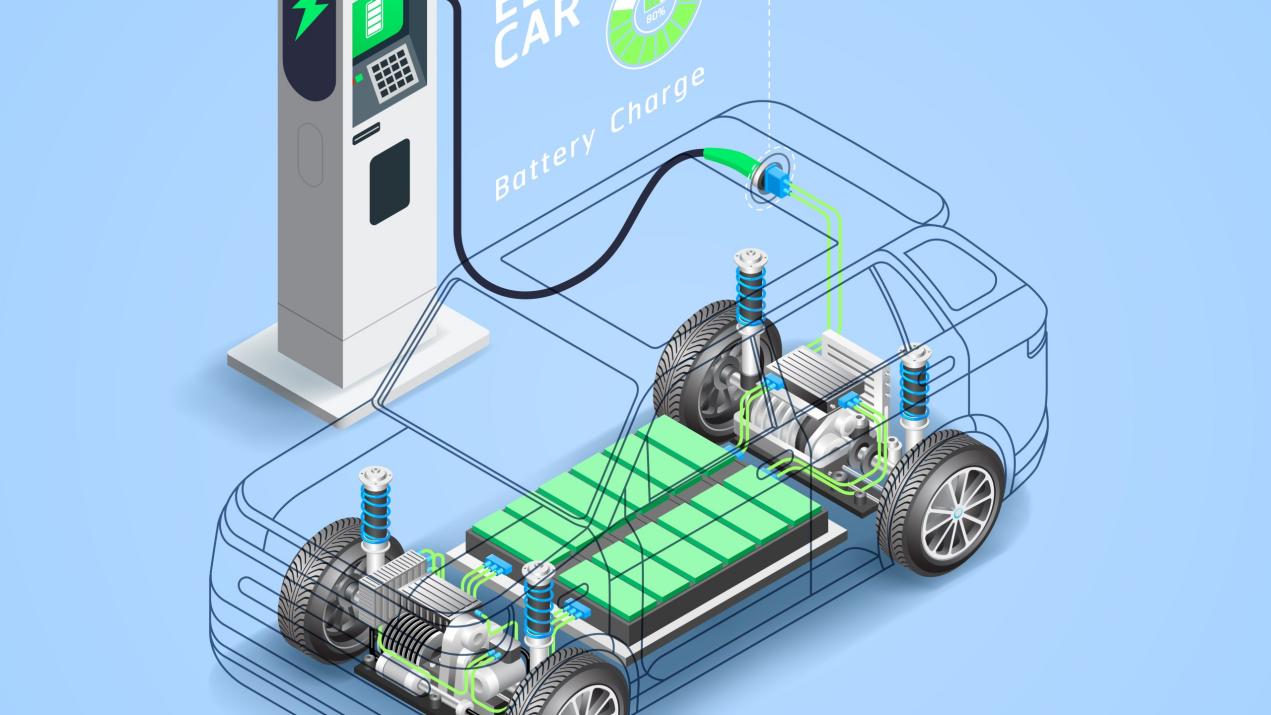

Electric Car Battery Evolution: Powering the Future of Mobility
Electric cars have come a long way since their early prototypes. The heart of every electric vehicle (EV) is its battery — the powerhouse that determines performance, range, and sustainability. Over the years, the evolution of electric car batteries has redefined how we drive, commute, and think about clean energy.
1. The Early Days: Lead-Acid Beginnings
Before lithium-ion became the standard, lead-acid batteries powered the first generation of electric cars. Invented in the 19th century, these batteries were bulky, heavy, and offered limited range. However, they laid the foundation for what would become a revolution in automotive energy storage.
Despite their limitations, lead-acid batteries were cheap and reliable, making them popular in early EV models. But as the demand for longer range and faster charging grew, engineers began searching for more advanced alternatives.
2. The Lithium-Ion Revolution
The true transformation in electric vehicles began with the introduction of lithium-ion batteries. First commercialized in the 1990s for consumer electronics, these batteries offered higher energy density, lighter weight, and longer life cycles.
Companies like Tesla and Nissan embraced lithium-ion technology, pushing the EV market into mainstream adoption. Models like the Tesla Model S and Nissan Leaf showcased how advanced batteries could deliver performance, efficiency, and environmental responsibility in one package.
3. Battery Chemistry Improvements
Not all lithium-ion batteries are the same. Over time, manufacturers have experimented with different chemistries to balance cost, safety, and performance. Some popular examples include:
- NCA (Nickel Cobalt Aluminum): High energy density and efficiency — used in Tesla vehicles.
- NCM (Nickel Cobalt Manganese): A good balance of power and stability — common in Hyundai and Kia EVs.
- LFP (Lithium Iron Phosphate): Safer and longer-lasting — increasingly popular in budget-friendly EVs.
Each chemistry offers trade-offs between cost, lifespan, and performance, shaping the diverse EV battery market we see today.
4. The Rise of Solid-State Batteries
One of the most anticipated breakthroughs in the future of electric vehicles is solid-state battery technology. Unlike traditional lithium-ion batteries that use liquid electrolytes, solid-state batteries rely on solid materials to conduct ions.
This innovation promises:
- Faster charging times
- Greater energy density (meaning longer range)
- Improved safety due to reduced fire risk
- Longer battery lifespan
Companies like Toyota, QuantumScape, and Samsung are heavily investing in solid-state research, hoping to bring this next-generation technology to market by 2027.
5. Recycling and Second-Life Use
As EVs become more common, so does the need for responsible battery recycling. Spent batteries still contain valuable materials like lithium, cobalt, and nickel that can be recovered and reused. Recycling helps reduce environmental impact and supports a sustainable circular economy.
Additionally, EV batteries that no longer meet driving performance standards often find “second life” uses — such as energy storage for solar grids or backup systems. This repurposing extends the lifespan of the batteries and minimizes waste.
6. Battery Management Systems (BMS)
Modern EVs rely on intelligent Battery Management Systems (BMS) to monitor and optimize performance. The BMS ensures each cell operates within safe voltage and temperature limits, improving safety and extending battery life.
Advanced software and AI algorithms are now used to predict battery health, schedule maintenance, and even adapt to driving habits — part of the broader trend of AI revolution in transportation.
7. The Role of Fast Charging Networks
Another major milestone in electric car battery evolution is the expansion of fast-charging networks. With 5G connectivity and smart grid integration, EV owners can now recharge their vehicles in under 30 minutes at high-powered stations.
Brands like Electrify America, Tesla Supercharger, and IONITY are leading the way in building reliable charging infrastructure across the globe.
8. Future Outlook
The future of EV batteries looks brighter than ever. With solid-state batteries, advanced recycling, and AI-driven management, we can expect electric vehicles to become more affordable, efficient, and sustainable. Governments and automakers are already committing to a cleaner transportation future — with many pledging to phase out combustion engines by 2035.
The evolution of electric car batteries not only powers vehicles but also drives the transition to renewable energy, carbon reduction, and a smarter, more connected world.
Related Articles
- Future of Electric Vehicles
- AI Revolution in Transportation
- Tech Fighting Climate Change
- Future of Technology Trends
Conclusion
The journey of electric car battery evolution showcases human innovation at its finest — transforming early, heavy lead-acid batteries into lightweight, high-performance, and intelligent power systems. As new technologies like solid-state and AI-driven management continue to evolve, the future of transportation is undoubtedly electric — clean, efficient, and limitless.