

Evolution of Mobile Technology: From Phones to Smart Devices
The evolution of mobile technology has transformed the way we communicate, work, and live. From the first mobile phones to today’s smartphones and wearable devices, mobile technology has reshaped industries, enabled global connectivity, and introduced new innovations. Understanding the history and progression of mobile technology is essential for tech enthusiasts, developers, and business professionals looking to stay ahead in the digital world.
The Early Days of Mobile Phones
The journey began in the 1970s and 1980s with bulky, analog mobile phones that were expensive and limited in functionality. Early mobile networks used 2G technology, allowing users to make calls and send text messages. These devices were primarily tools for business executives and government officials, with limited public accessibility.
Key Features of Early Mobile Phones
- Large, heavy handsets with limited battery life
- Voice calls as the main function
- Text messaging introduced in the 1990s
- Limited network coverage and high costs
- No internet or multimedia capabilities
Despite their limitations, these early mobile phones laid the foundation for the modern digital communication era.
The Rise of Smartphones
The launch of smartphones in the 2000s marked a turning point. Devices like the BlackBerry and later the iPhone combined voice, text, and internet capabilities. Mobile operating systems like iOS and Android introduced app ecosystems, enabling developers to create software for productivity, gaming, and social media.
Features That Defined Smartphones
- Touchscreen interfaces replacing physical keyboards
- Internet connectivity via 3G, 4G, and now 5G networks
- App stores for downloading software and games
- Multimedia features: cameras, music, and video playback
- Integration with cloud services for storage and backup
Smartphones became indispensable tools for daily life, changing the way people access information, shop, and interact with others.
Impact on Business and Productivity
Mobile technology has also transformed business operations. With mobile apps, cloud computing, and AI tools, professionals can work remotely, collaborate in real-time, and manage projects on the go. Companies increasingly adopt mobile-first strategies to enhance customer engagement and optimize workflows.
Check out how Machine Learning in Business and AI tools like those in Best AI Tools for Productivity integrate seamlessly with mobile platforms.
Smart Devices and Wearables
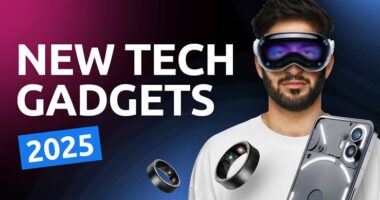
The evolution of mobile technology extends beyond phones. Wearables, tablets, and IoT-connected devices offer new ways to monitor health, manage smart homes, and enhance entertainment. Devices like smartwatches, fitness trackers, and AR glasses connect directly to mobile platforms, creating an integrated digital ecosystem.
Examples of Mobile-Connected Devices
- AI-powered smartwatches tracking health metrics
- Smart home devices controlled via mobile apps (Rise of Smart Homes and IoT)
- AR/VR glasses for immersive experiences
- Mobile-connected drones for photography and logistics
- Portable AI assistants for productivity and entertainment
5G Networks and the Future of Mobile Technology
The introduction of 5G networks is a major milestone, enabling ultra-fast connectivity, low latency, and support for millions of connected devices. 5G paves the way for advancements in IoT, smart cities, AR/VR, and autonomous vehicles. The integration of 5G with AI and mobile apps will redefine the possibilities of mobile technology.
Opportunities with 5G
- Faster streaming and real-time video calls
- Enhanced AR/VR experiences
- Better performance for mobile gaming
- Improved IoT device connectivity
- Expanded opportunities for mobile innovation
Mobile Technology in Emerging Markets
Mobile technology has also accelerated economic growth in emerging markets. Affordable smartphones and mobile payment solutions enable financial inclusion, education, and access to healthcare services. Mobile-first applications are transforming sectors such as agriculture, e-commerce, and digital governance.
Challenges and Security Concerns
Despite its advantages, mobile technology faces challenges:
- Data privacy and cybersecurity risks
- Network congestion in densely populated areas
- Battery life and device longevity
- Digital divide between urban and rural areas
- Environmental impact of device production and disposal
The Future of Mobile Technology
The evolution of mobile technology shows no signs of slowing. Future innovations include foldable devices, AI-powered mobile assistants, and deeper integration with IoT, blockchain, and AR/VR. Mobile platforms will continue to shape how people live, work, and interact with the world.
Explore other related articles to stay informed about the tech revolution: Future Gadgets to Watch and Quantum Computing Explained.
Conclusion
The evolution of mobile technology highlights the power of innovation in reshaping society. From early analog phones to modern smartphones and smart wearables, mobile devices have become essential tools in daily life. By staying informed about emerging trends, businesses and consumers can leverage mobile technology to improve productivity, enhance connectivity, and embrace the future of digital transformation.