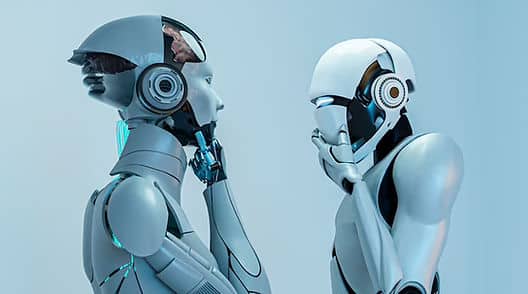

Future of Personal Tech Assistants
Table of Contents
- Introduction
- What Are Personal Tech Assistants?
- Current Trends in Personal Tech Assistants
- The Role of AI and Machine Learning
- Voice Recognition and Natural Language Processing
- Personalization and User Experience
- Integration with Smart Devices
- Privacy and Security Concerns
- Future Developments to Look Out For
- Conclusion
Introduction
Imagine waking up in a world where your personal tech assistant knows your daily routine better than you do. From managing your schedule to curating your playlists and helping with homework, personal tech assistants are evolving rapidly, making life easier and more organized. For teenagers and young adults, the future of these assistants promises an eclectically enhanced, tech-driven experience that transcends current capabilities. In this article, we’ll explore the rising trends, challenges, and potential breakthroughs that will shape your daily interactions with personal tech assistants.
What Are Personal Tech Assistants?
Personal tech assistants are AI-driven tools designed to help users manage tasks and simplify their daily lives. Often activated through voice commands or mobile apps, these assistants can control smart home devices, provide weather updates, set reminders, and more. Some of the most popular examples include Siri, Google Assistant, and Amazon Alexa. Each has unique features and capabilities, catering to different user needs and preferences.
Current Trends in Personal Tech Assistants
The landscape of personal tech assistants is constantly evolving. With each passing year, they become smarter, more adaptive, and better at understanding human behavior. A few significant trends shaping the current landscape include:
- Increased Usage Across Age Groups: While originally designed for tech-savvy individuals, personal assistants have become popular among different age groups, including younger users. Today’s teens favor hands-free use and seamless interaction.
- Cross-Platform Functionality: Major tech companies are emphasizing the importance of integrating their personal assistants into various platforms and devices, including smartphones, laptops, and smart home devices.
- Enhanced Learning Capabilities: With the inclusion of AI at their core, personal tech assistants are becoming better at learning from individual user behavior. They adapt and personalize their responses and suggestions over time.
The Role of AI and Machine Learning
Artificial Intelligence and machine learning technologies are critical components of personal tech assistants. These sophisticated systems enable the assistants to:
- Learn User Preferences: Over time, personal assistants analyze user interactions to understand preferences and habits. This allows them to deliver tailored content and recommendations that align with users’ interests.
- Make Predictions: By leveraging historical data, personal assistants can predict what you might need before you even ask. For instance, if you tend to order coffee every morning, your assistant can have the order ready at your favorite café.
- Provide Contextual Responses: Enhanced machine learning capabilities allow assistants to consider context when delivering information. This means they can respond based on previous interactions, making conversations feel more natural.
Voice Recognition and Natural Language Processing
One of the most remarkable features of personal tech assistants is their ability to understand and respond to human language through voice recognition and natural language processing (NLP). This technology has significant implications for how you interact with your devices:
- Improved Accuracy: As voice recognition technology improves, assistants are better at understanding different accents, dialects, and colloquialisms. Younger users, particularly those in multicultural settings, can communicate effortlessly.
- Conversational Interfaces: Advances in NLP allow for more fluid, conversational interactions. Instead of simple commands, users can engage in complex dialogues, asking their assistants multifaceted questions.
- Language Options: Many personal assistants are now multilingual, which is particularly appealing to young global citizens who require support in multiple languages.
Personalization and User Experience
Today’s tech-savvy youth seek personalized experiences, and personal tech assistants are stepping up to the plate. Personalization goes beyond basic functions; it encompasses user interface, interactions, and content recommendations. Here’s how:
- Customized Interfaces: The look and feel of the assistant’s interface can be tailored to your preferences—whether that’s choosing a color scheme, adjusting text size, or employing specific themes.
- Behavioral Insights: Personal assistants analyze individual user behavior, making it easy for them to suggest content that’s aligned with your interests, from music to study schedules.
- Integrative Experience: A seamless integration with various platforms means that your tech assistant can operate functions across devices, enhancing your overall user experience.
Integration with Smart Devices
With the rise of the Internet of Things (IoT), personal tech assistants are increasingly integrated with smart home devices. This growing interoperability allows you to control everything from lighting to temperature with simple voice commands. Benefits include:
- Convenience: Managing multiple devices through one assistant simplifies day-to-day activities. For instance, you can adjust your home thermostat while getting dressed or dim the lights while watching movies.
- Time-Saving Automation: You can pre-program routines—for example, instruct your assistant to turn on your favorite playlist and adjust your lighting when you arrive home from school.
Privacy and Security Concerns
As personal tech assistants become integral to daily life, privacy and security remain pressing concerns. This is particularly important for younger users who often share personal information without considering the potential consequences.
- Data Collection: Personal assistants collect vast amounts of data to improve functionality, which could make sensitive information vulnerable to breaches if not adequately protected.
- User Awareness: It’s crucial to be aware of what data is being collected and how it’s used. Understanding settings and permissions will help you take control over your information.
- Secure Interactions: Always ensure that your personal assistant has the latest security updates. Familiarize yourself with privacy options to protect your data from unauthorized access.
Future Developments to Look Out For
The future of personal tech assistants is promising and ripe with potential breakthroughs. Here are several developments to watch closely:
- Emotional Intelligence: Future advancements may enable assistants to detect and respond to user emotions. This emotional resonance could result in personalized responses that uplift or support you based on your mood.
- Enhanced Interactivity: Expect improvements in the way you interact with your assistant. This includes visual feedback through screens and augmented reality, allowing for more immersive interactions.
- Health Monitoring: Some future iterations may incorporate health-monitoring capabilities, helping users track their wellness through wearables and providing insights based on daily habits and routines.
- Autonomous Learning: New versions of personal tech assistants may be able to learn autonomously with even less human intervention, potentially transforming them into fully capable life coaches.
Conclusion
Embracing the Future: The Transformation of Personal Tech Assistants
The future of personal tech assistants promises to be nothing short of revolutionary. As technology continues to advance, personal assistants will become increasingly integral to your everyday life. With features tailored to your preferences and a deeper understanding of user emotions and behavior, they’re destined to transform how you interact with technology forever. As a teenager or young adult, embracing these advancements will enhance not only productivity but also enrich your overall lifestyle. The question isn’t whether to adopt these assistants, but rather how to navigate their remarkable capabilities to build a more streamlined and enjoyable future.