Future of Robotics and Automation in 2025
Robotics and automation are transforming industries at an unprecedented pace. Businesses are increasingly adopting robotic systems to improve efficiency, reduce costs, and enhance productivity. The future of robotics involves smart machines capable of performing complex tasks alongside humans, creating a new era of human-machine collaboration.
Understanding machine learning in business and AI tools for productivity is essential, as AI and robotics are becoming tightly integrated, driving innovation across multiple sectors.
Robotics in Industry
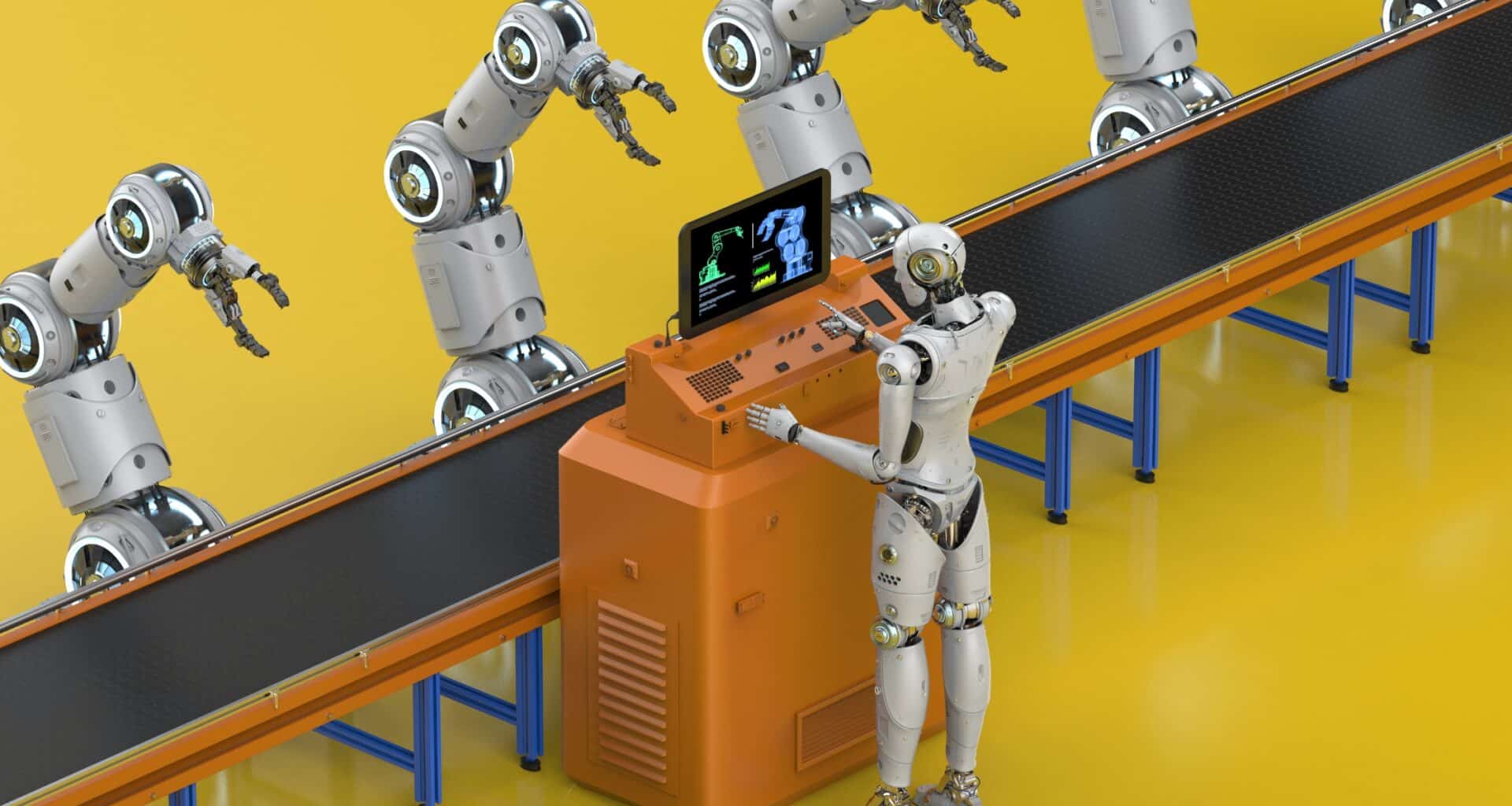
Industrial robotics has evolved beyond simple repetitive tasks. Modern robots use AI, sensors, and advanced control systems to perform sophisticated operations in manufacturing, logistics, and warehousing.
Applications in Manufacturing
- Automated assembly lines for electronics and automotive sectors
- AI-driven quality control and inspection systems
- Collaborative robots (cobots) working alongside human operators
- Predictive maintenance using robotic monitoring systems
- Integration with IoT devices for real-time data and control
Robotics in Everyday Life
Robotic applications are no longer limited to factories. Consumer robots are entering homes, healthcare, and entertainment. Smart home automation and IoT devices work together with robotics to create connected environments.
Home and Personal Robots
- Robot vacuum cleaners and smart lawn mowers
- AI-powered personal assistants and companions
- Robotic health monitoring and eldercare devices
- Home delivery drones and automated logistics robots
- Integration with smart home devices for energy management
AI and Robotics Integration
The integration of artificial intelligence with robotics enables machines to learn, adapt, and improve over time. This synergy leads to smarter robots capable of decision-making and autonomous operation.
Key Benefits of AI-Enabled Robots
- Improved efficiency and precision in industrial tasks
- Enhanced customer service through intelligent robotic assistants
- Faster product development using robotic simulations
- Predictive analytics for better business decisions
- Safer environments through autonomous monitoring
Automation in Business Processes
Automation is not limited to physical robots. Robotic Process Automation (RPA) uses software bots to handle repetitive digital tasks, freeing employees for higher-value work.
RPA Applications
- Automated invoice processing and accounting
- Customer support through AI chatbots
- Data entry and report generation
- HR onboarding processes and compliance tracking
- Integration with AI analytics for process optimization
Emerging Robotics Technologies
Several emerging technologies are shaping the future of robotics and automation:
- Swarm robotics for coordinated multi-robot systems
- Soft robotics enabling flexible and adaptive machines
- Exoskeletons for human augmentation in industrial and medical settings
- Autonomous delivery drones and self-driving vehicles
- AI-driven robotic surgery and healthcare automation
Challenges in Robotics and Automation
Despite the rapid growth, several challenges remain:
- High initial investment and maintenance costs
- Technical complexity and requirement for skilled workforce
- Integration with existing systems and legacy infrastructure
- Ethical and social concerns around job displacement
- Data privacy and cybersecurity risks in AI-enabled systems
The Future Outlook
By 2025 and beyond, robotics and automation will continue to evolve, merging with AI, IoT, and cloud technologies. Businesses that adopt these innovations early will gain a competitive edge, improving productivity and customer experiences. Combining insights from future gadgets to watch and Linus Tech Tips will help enthusiasts and professionals stay updated on the latest robotic advancements.
Conclusion
The future of robotics and automation promises a world where machines and humans work together seamlessly. From industrial automation to smart home robotics and AI integration, the possibilities are endless. Businesses and consumers must embrace these technologies to remain competitive and enhance productivity. Staying informed about AI, machine learning, and emerging gadgets ensures readiness for the automated world ahead.