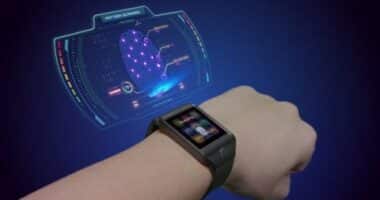


Future of Wearable Tech: What’s Coming Next
Wearable technology has evolved far beyond basic fitness trackers and smart watches. The future of wearable tech promises a fusion of AI-driven analytics, health monitoring, and seamless integration with smart homes, personal devices, and even augmented reality systems. As we move toward 2025 and beyond, next-gen wearable devices are poised to transform the way we manage our health, communicate, and interact with technology daily.
AI-Powered Wearables for Personal Health
Artificial intelligence has become the driving force behind advanced wearables. Devices now not only track steps and calories but also predict potential health issues, monitor vital signs, and provide personalized wellness advice. AI wearable technology is making healthcare more proactive and data-driven, offering users real-time insights.
Top Features in AI Health Wearables
- Continuous heart rate and blood pressure monitoring
- Sleep tracking and optimization
- Integration with mobile health apps
- Predictive alerts for potential medical conditions
- Custom recommendations for fitness and diet
Internal Link: Learn How Technology Powers Healthcare
Smart Wearables in Sports and Fitness
Fitness enthusiasts and professional athletes benefit from wearables that provide advanced metrics and analytics. Smart sports devices monitor motion, muscle activity, and hydration levels. AI integration allows athletes to track performance, prevent injuries, and enhance training efficiency.
Popular Features in Sports Wearables
- Motion sensors for posture and technique analysis
- Real-time performance tracking with AI insights
- Integration with coaching apps
- Customizable alerts for optimal training
- Durable, lightweight designs suitable for competition
Internal Link: AI and Machine Learning in Sports
Wearables in Smart Homes and IoT Integration
The convergence of wearable tech with smart home devices is creating fully integrated ecosystems. Your wearable can control lighting, temperature, home security, and appliances based on your routines and preferences. This integration emphasizes convenience, energy efficiency, and personalized experiences.
Key IoT Features in Wearables
- Voice-controlled home automation through wearable devices
- Automated alerts for home security and maintenance
- Integration with smart assistants and AI hubs
- Remote control of household appliances
- Health and safety monitoring at home
Internal Link: Rise of Smart Homes and IoT
Augmented and Virtual Reality Wearables
AR and VR are taking wearables beyond traditional health and fitness. Next-gen AR/VR headsets are smaller, lighter, and more immersive, providing applications in gaming, remote work, education, and even therapy. The fusion of AI and AR/VR enables personalized experiences and real-time interaction in virtual environments.
Future AR/VR Wearable Features
- Lightweight, wireless headsets with high-resolution displays
- Eye-tracking and gesture recognition
- AI-driven adaptive learning for interactive experiences
- Integration with social and professional platforms
- Enhanced haptic feedback for immersive experiences
Internal Link: AR in Gaming and Tech
Wearables for Workplace Productivity
Beyond health and entertainment, wearable devices are becoming essential for workplace productivity. Smart glasses, AI-enabled watches, and wearable sensors can assist in scheduling, communication, and task management. These AI wearables provide seamless collaboration and help professionals optimize their workflow efficiently.
Examples of Productivity Wearables
- AI smart glasses for hands-free operations
- Wearable AR for remote collaboration
- Real-time data visualization on wrist devices
- Integration with productivity apps and task managers
- Alerts and reminders for important tasks and deadlines
Internal Link: Best AI Tools for Productivity
Sustainable and Eco-Friendly Wearables
As environmental concerns grow, wearable tech companies are focusing on sustainable materials and energy-efficient designs. Solar-powered smart watches, recyclable components, and devices with reduced energy consumption are part of the next generation of eco-friendly wearables.
Examples of Sustainable Wearables
- Solar-powered smartwatches and fitness trackers
- Biodegradable wristbands and sensors
- Energy-efficient processors for longer battery life
- Recyclable electronic components
- Low-power AI integration for reduced energy use
Internal Link: Tech Fighting Climate Change
Conclusion
The future of wearable technology is bright, intelligent, and interconnected. With AI-driven health monitoring, immersive AR/VR experiences, smart home integration, workplace productivity enhancements, and sustainable designs, wearables are reshaping everyday life. Staying informed about next-gen wearables allows consumers and professionals to make smarter choices, adopt efficient solutions, and embrace a fully connected, AI-powered world.