

Growth of Cloud Computing in 2025
Cloud computing continues to revolutionize the way businesses and individuals manage data and applications. In 2025, the growth of cloud computing is expected to accelerate further, fueled by advancements in AI technology, big data analytics, and global digital transformation. Companies leveraging machine learning in business and future gadgets increasingly rely on cloud platforms to enhance productivity, streamline operations, and reduce costs.
Cloud Computing Overview
Cloud computing allows businesses to store, manage, and process data over the internet instead of on local servers. This shift provides flexibility, scalability, and cost-efficiency, making it a cornerstone of modern IT infrastructure. From startups to global enterprises, cloud solutions are now indispensable for running AI applications, remote collaboration tools, and digital services.
Types of Cloud Computing
- Public Cloud: Services offered over the internet by providers like AWS, Microsoft Azure, and Google Cloud.
- Private Cloud: Dedicated cloud infrastructure for a single organization, ensuring security and compliance.
- Hybrid Cloud: A combination of public and private clouds for optimized flexibility and resource allocation.
- Multi-Cloud: Businesses leveraging multiple cloud providers for redundancy, performance, and cost management.
AI and Machine Learning Integration
The integration of AI technology with cloud computing has unlocked new opportunities for businesses. AI models require high computational power and data access, which cloud platforms efficiently provide. By combining machine learning in business with cloud infrastructure, companies can process massive datasets, gain actionable insights, and scale AI applications seamlessly.
Key Applications of AI in Cloud Computing
- Predictive analytics for business strategy
- Automated customer support with AI chatbots
- Real-time monitoring of IoT devices
- Enhanced cybersecurity through AI-driven threat detection
- Personalized recommendations for products and services
Cloud Computing in Business Operations
Businesses of all sizes are adopting cloud solutions to improve agility and operational efficiency. Cloud-based tools support remote work, real-time collaboration, and secure data management. Many organizations are shifting from on-premises IT infrastructure to cloud platforms to reduce maintenance costs and improve scalability.
Benefits for Businesses
- Cost savings by eliminating hardware and maintenance expenses
- Rapid deployment of software and updates
- Access to advanced analytics and AI tools
- Enhanced security and compliance features
- Scalable infrastructure to match business growth
Cloud Computing in Emerging Technologies
Cloud platforms are essential for supporting emerging technologies like next-gen tech innovations, AI-powered gadgets, and IoT devices. They enable real-time data processing, collaborative AI model training, and seamless integration with smart devices, driving innovation across industries.
Examples of Emerging Cloud-Dependent Tech
- AI-powered wearables and smart home devices
- IoT sensor networks for industrial automation
- AR/VR platforms for immersive experiences
- Blockchain applications for secure transactions
- Big data analytics for healthcare, finance, and marketing
Future Outlook of Cloud Computing
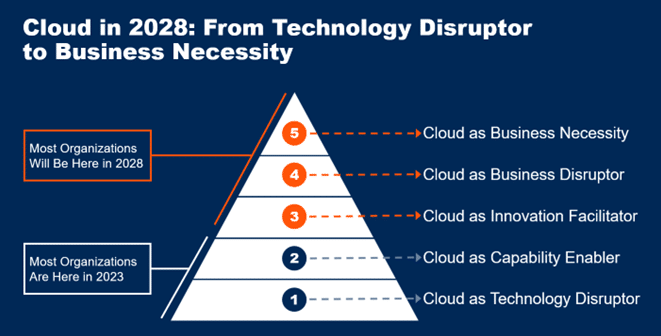
As we move further into 2025, cloud computing will continue to dominate the IT landscape. Businesses will increasingly adopt hybrid and multi-cloud strategies to maximize efficiency and resilience. The synergy of AI, IoT, and cloud platforms will create innovative services, smarter gadgets, and more agile operations across sectors. Staying informed about cloud trends ensures companies and individuals can leverage technology effectively.
Conclusion
The growth of cloud computing in 2025 represents a shift towards smarter, more connected, and data-driven operations. By combining AI, machine learning, IoT, and cloud platforms, businesses can optimize performance, reduce costs, and stay competitive in a rapidly evolving digital landscape. Whether for startups, large enterprises, or individual users, embracing cloud technology is crucial for thriving in the future of business and innovation.