
How Augmented Reality Is Changing Retail
Meta Description: Discover how Augmented Reality (AR) is transforming the retail industry in 2025 — from virtual try-ons to smart stores. Learn how AR boosts sales, engagement, and customer trust.
The retail world is undergoing a massive transformation, and Augmented Reality (AR) is leading the charge. Once considered futuristic, AR has now become a mainstream technology in 2025 — shaping how customers shop, interact with products, and make purchase decisions. Retailers around the globe are investing heavily in AR solutions to bridge the gap between digital and physical shopping experiences. From virtual try-ons to AR-powered store navigation, the future of retail is more immersive, interactive, and personalized than ever before.
In this article, we’ll explore how Augmented Reality is changing retail, its benefits, use cases, and what the future holds for this powerful technology. If you’re a business owner, marketer, or tech enthusiast, understanding AR in retail will give you a clear advantage in this new era of shopping innovation.
What Is Augmented Reality (AR)?
Augmented Reality blends digital elements with the physical world through smartphones, AR glasses, or smart mirrors. Unlike Virtual Reality (VR), which immerses users in a fully digital environment, AR enhances real-world experiences by adding interactive 3D visuals, product details, and simulations over live surroundings.
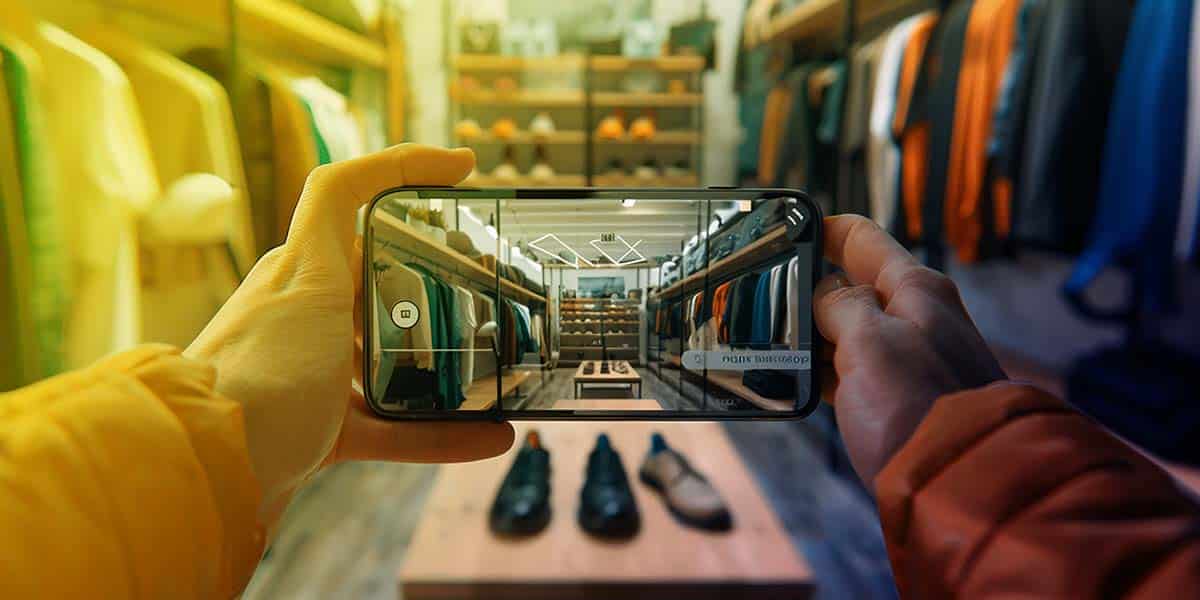
For example, when a customer points their phone at a pair of shoes, AR can display additional details — such as size availability, customer reviews, or a “try-on” preview in real time. This interaction brings the digital shopping experience closer to reality, reducing uncertainty and increasing confidence in purchases.
The Rise of AR in Retail (2020–2025)
AR first started making its way into retail through smartphone apps and social media filters. But between 2020 and 2025, AR adoption skyrocketed due to advancements in technology trends and smart gadgets. As AI-driven analytics, 5G connectivity, and improved smartphone hardware became widespread, retailers seized the opportunity to enhance the customer journey using AR.
By 2025, it’s estimated that over 65% of online retailers have implemented some form of AR feature on their websites or apps. Even physical stores are using AR-enabled displays, mirrors, and signage to boost engagement and help customers make faster, more confident choices.
Key Benefits of AR in Retail
1. Enhanced Customer Experience
AR offers a personalized and engaging shopping experience. Instead of scrolling through product images, customers can virtually interact with items in 3D. They can rotate, resize, or visualize how products will look in their homes or on their bodies. This interactivity leads to higher satisfaction and longer engagement times.
2. Reduced Return Rates
One of the biggest challenges in eCommerce is product returns. With AR, customers can “try before they buy,” significantly reducing mismatched expectations. Studies show that AR-integrated stores report up to a 35% reduction in product returns because customers know exactly what they’re buying.
3. Increased Sales Conversion
AR experiences can directly boost conversion rates. When shoppers engage with AR-powered try-ons or previews, they are more confident to make purchases. Some brands report sales increases of up to 200% after integrating AR visualization tools.
4. Building Brand Trust and Loyalty
By offering immersive experiences, retailers create emotional connections with customers. Shoppers feel that brands are transparent and forward-thinking, which enhances long-term loyalty. AR also allows storytelling — brands can show the product creation process or ethical sourcing in visually engaging ways.
5. In-Store Navigation and Assistance
Physical stores are now integrating AR wayfinding features that guide shoppers to specific products. For example, a smartphone camera can highlight the path to an item, show real-time discounts, or even display recommendations based on previous purchases.
Popular Use Cases of AR in Retail
1. Virtual Try-Ons
Fashion and beauty industries are at the forefront of AR transformation. Platforms like Sephora and L’Oréal allow customers to virtually try makeup products, while Nike and Adidas use AR shoe fitting apps. Customers can visualize how clothes or accessories look on them without physically trying them on.
2. Furniture and Home Décor Visualization
Companies like IKEA and Wayfair use AR to help customers visualize furniture in their homes. Users can see how a sofa fits their space, matches the color scheme, or complements existing furniture. This feature has revolutionized how people shop for home décor online.
3. Interactive Product Packaging
AR-enabled packaging brings products to life. By scanning a product box with a smartphone, customers can unlock tutorials, videos, and 3D product information. For example, scanning a cereal box might show animated characters or promotional games for kids.
4. Smart Mirrors and In-Store Displays
AR mirrors in clothing stores let customers virtually try different outfits, styles, or colors instantly. These mirrors can also recommend accessories or similar styles, enhancing upselling opportunities. Similarly, AR displays in stores can provide live product demos or reviews.
5. AR-Driven Marketing Campaigns
Brands are leveraging AR for creative campaigns — like virtual pop-up stores, AR treasure hunts, and interactive ads. This not only attracts younger tech-savvy audiences but also boosts online visibility and brand engagement.
How AR Works with AI and Data Analytics
AR’s success in retail wouldn’t be possible without machine learning and AI. These technologies analyze consumer behavior and personalize AR experiences. For example, AI can recommend products that match the shopper’s face shape, skin tone, or past purchases. Combined with cloud computing, AR applications deliver smooth, data-driven experiences even on mobile devices.
Challenges Retailers Face with AR Implementation
Despite its benefits, AR adoption in retail also presents challenges. Here are a few key issues:
- High development costs: Building custom AR solutions can be expensive for small businesses.
- Technical limitations: Not all smartphones or browsers support advanced AR features.
- Data privacy concerns: AR applications often require access to cameras and personal data, raising privacy considerations.
- Training and integration: Employees need to be trained to manage AR systems and assist customers effectively.
However, as AR development tools become more affordable and standardized, these barriers are gradually disappearing. Platforms like Google ARCore and Apple’s ARKit are making AR development more accessible than ever before.
AR in Retail: Real-World Success Stories
Several major retailers have successfully adopted AR to revolutionize customer experiences:
- IKEA Place: Lets users place virtual furniture in their homes using a smartphone camera.
- Sephora Virtual Artist: Allows customers to try makeup products virtually and share results online.
- Amazon AR View: Helps customers visualize products like TVs and furniture in their living spaces.
- Adidas Shoe Try-On: Provides a virtual shoe fitting experience using 3D scanning and AR mapping.
These examples prove that AR is not just a trend — it’s becoming an essential part of the customer journey.
The Future of AR in Retail (2025 and Beyond)
As technology continues to advance, AR in retail will only grow stronger. Emerging innovations such as AI-driven personalization, robotics, and 5G connectivity will make AR experiences faster and more realistic. We can expect full-store AR navigation, real-time product comparisons, and even virtual shopping assistants that interact with customers in real time.
Future AR wearables like smart glasses will further blur the line between online and offline retail. Imagine walking into a store, and your AR glasses instantly show available discounts, product reviews, and your personal wishlist — all without needing a phone. That’s the future retail landscape powered by AR.
Final Thoughts
Augmented Reality is no longer a buzzword — it’s a transformative technology reshaping the retail industry. From improving product visualization to enhancing customer satisfaction, AR has proven its potential to drive sales and innovation. As we move deeper into 2025 and beyond, the retailers that embrace AR will lead the market, delivering unmatched value to their customers.
Whether you’re a business exploring future gadgets or a shopper curious about immersive experiences, one thing is clear: Augmented Reality is the future of retail.