
How Technology Powers Healthcare in 2025
The healthcare industry is undergoing a massive transformation, driven by cutting-edge technology and digital innovations. From AI in business to future gadgets and smart devices, the integration of technology in healthcare has revolutionized patient care, diagnosis, and treatment. Understanding how technology powers healthcare is crucial for patients, providers, and investors seeking opportunities in the booming med-tech sector.
Artificial Intelligence in Healthcare
AI-powered healthcare solutions are transforming how doctors and hospitals diagnose and treat patients. Machine learning models analyze massive datasets to predict disease outbreaks, identify patient risks, and personalize treatment plans. From machine learning in business to healthcare, AI models help providers make informed decisions faster and more accurately.
Applications of AI in Healthcare
- Predictive analytics for early disease detection
- AI-assisted imaging for radiology and pathology
- Personalized treatment recommendations
- Virtual health assistants for patient support
- AI in drug discovery and development
Telemedicine and Remote Patient Monitoring
Telemedicine has expanded healthcare access by connecting patients and doctors remotely. With wearable IoT devices and mobile apps, patients can monitor vital signs such as heart rate, blood pressure, and glucose levels in real-time. Healthcare providers receive continuous updates, enabling timely interventions. Telemedicine platforms are becoming increasingly integrated with AI, enhancing diagnostics and reducing hospital visits.
Benefits of Telemedicine
- Increased access to healthcare in remote areas
- Reduced patient wait times
- Lower healthcare costs through early intervention
- Continuous monitoring for chronic disease management
- Enhanced patient engagement and adherence
Robotics and Automation in Hospitals
Robots and automated systems are becoming a common presence in modern hospitals. From surgical robots performing precise procedures to automated pharmacy dispensing systems, technology is enhancing efficiency, reducing errors, and improving patient outcomes. These innovations complement traditional medical care while expanding the capabilities of healthcare professionals.
Key Robotic Innovations
- Robotic-assisted surgeries for precision and minimal invasiveness
- Automated medication dispensing and inventory management
- Robotic exoskeletons for physical rehabilitation
- AI-driven laboratory automation for faster results
- Hospital service robots for delivery and sanitation
Wearables and Smart Health Devices
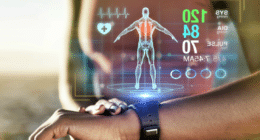
Wearable devices like smartwatches, fitness trackers, and AI-powered health monitors collect real-time patient data. These future gadgets not only track physical activity but also provide early warnings for conditions like heart arrhythmias or sleep disorders. Integration with hospital systems ensures doctors receive actionable insights without delay, creating a proactive healthcare model.
Top Wearable Health Technologies
- Smartwatches with ECG and oxygen monitoring
- Wearable blood pressure monitors
- Glucose sensors for diabetes management
- Sleep and activity trackers
- AI-powered mobile health apps
Blockchain in Healthcare
Blockchain technology ensures secure, tamper-proof patient records. It allows safe sharing of sensitive medical data among providers and researchers while maintaining privacy and regulatory compliance. Hospitals and clinics increasingly adopt blockchain to streamline administrative processes, track medical supply chains, and prevent fraud.
Advantages of Blockchain in Healthcare
- Secure and immutable patient records
- Efficient medical billing and claims processing
- Improved supply chain transparency for medications
- Data sharing for research without compromising privacy
- Prevention of counterfeit drugs and fraud
Future Outlook of Healthcare Technology
The convergence of AI, robotics, IoT, telemedicine, wearables, and blockchain is creating a new era in healthcare. Patients receive faster diagnoses, personalized treatment plans, and remote monitoring, while hospitals operate more efficiently. The rise of future technology trends in healthcare indicates a future where medical care is more accurate, accessible, and proactive than ever before.
Conclusion
Technology is not just enhancing healthcare; it is redefining it. AI-powered solutions, smart devices, robotic systems, telemedicine, and blockchain create a healthcare ecosystem that prioritizes patient outcomes, efficiency, and innovation. By embracing these technologies, hospitals and healthcare providers can offer high-quality care while reducing costs and improving patient satisfaction. Understanding how technology powers healthcare is essential for anyone looking to stay ahead in the evolving medical landscape of 2025.