

The Future of Human-Machine Interaction
As artificial intelligence, robotics, and automation continue to evolve, the line between humans and machines grows increasingly thin. Human-Machine Interaction (HMI) — the way people communicate with computers, robots, and smart systems — is at the heart of this transformation. From voice assistants to brain-computer interfaces, the future of HMI promises to be more intuitive, immersive, and intelligent than ever before.
In this article, we’ll explore how technology is revolutionizing communication between humans and machines, the innovations shaping this field, and what it means for society in the years ahead.
Understanding Human-Machine Interaction
Human-Machine Interaction refers to the study and design of interfaces that allow humans to interact with machines efficiently. Traditionally, this meant keyboards, mice, or touchscreens. Today, it includes voice recognition, gesture control, AI chatbots, and even neural interfaces that respond directly to human thought.
As technology progresses, the goal is not just efficiency but also natural interaction. Machines should understand context, emotion, and intent, making communication effortless and human-like.
From Clicks to Conversations
We’ve come a long way from the early days of mechanical input devices. With the rise of AI assistants like Siri, Alexa, and Google Assistant, people now engage with machines conversationally. These tools interpret speech, process meaning, and respond intelligently — all thanks to natural language processing (NLP).
In the future, AI systems will go beyond simple commands. They’ll anticipate user needs, understand emotions, and respond with empathy. Imagine a digital assistant that senses your stress level through voice tone and adjusts its tone or offers calming music — that’s where we’re headed.
Gesture and Motion Control
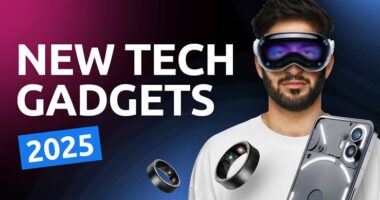
Gesture-based interfaces are also advancing rapidly. Modern gaming systems, VR devices, and even smartphones now use motion sensors and cameras to detect hand movements and body language. Companies like Meta (with its Oculus line) and Apple (with Vision Pro) are integrating gesture recognition to make virtual experiences more immersive.
These technologies reduce the need for physical input devices, allowing users to communicate with machines naturally — through movement, expression, and posture. This marks a shift toward embodied computing, where interaction feels as intuitive as real-world communication.
Brain-Computer Interfaces (BCIs)
Perhaps the most futuristic leap in human-machine communication is the development of Brain-Computer Interfaces (BCIs). Companies like Neuralink and OpenBCI are designing systems that connect the human brain directly to computers. By decoding brain signals, these systems allow users to control machines with pure thought.
BCIs hold massive potential for healthcare — helping paralyzed patients move prosthetic limbs or communicate through neural signals. In the long term, BCIs could redefine how humans think about learning, creativity, and connection with technology.
AI-Powered Emotional Intelligence
Emotionally intelligent AI is a growing area in the evolution of HMI. Machines that can interpret facial expressions, tone, and behavioral cues can interact more meaningfully with people. For example, mental health chatbots and customer service bots are being trained to recognize frustration or sadness and respond compassionately.
This fusion of AI and psychology is bringing a new level of humanity to machines, enabling deeper collaboration between humans and digital systems. As AI becomes more empathetic, the user experience will shift from mechanical interaction to emotional engagement.
Augmented Reality (AR) and Immersive Interaction
Augmented Reality is another frontier in human-machine interaction. AR overlays digital information onto the real world, allowing users to see and interact with virtual objects seamlessly. From gaming to industrial design, AR helps merge digital intelligence with human perception.
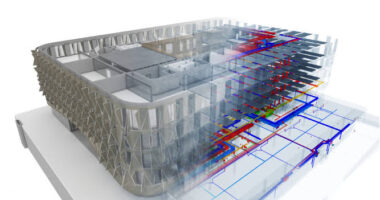
In the workplace, AR tools allow engineers, architects, and surgeons to visualize complex systems in real time. This kind of mixed reality interface enhances understanding and boosts efficiency while making collaboration across distances effortless.
Wearable Technology and Seamless Interfaces
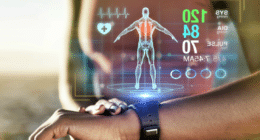
Wearables — such as smartwatches, fitness bands, and AR glasses — are redefining how people interact with machines. These devices continuously monitor user data and provide real-time feedback, bridging the gap between physical experience and digital response.
As wearable technology becomes more advanced, it will integrate even deeper into our daily routines. Imagine a smartwatch that tracks stress levels, adjusts your lighting to improve focus, or syncs with your calendar to suggest optimal work times. This convergence of wearable tech and AI will create truly personalized ecosystems.
Human-Robot Collaboration (Cobots)
In industries ranging from manufacturing to healthcare, humans are increasingly working alongside robots — or “cobots.” These collaborative robots are designed to work safely and intuitively with human partners, sharing tasks and adapting to human behavior.
For instance, in hospitals, cobots can assist surgeons with precision movements or deliver medications efficiently. In factories, they handle repetitive or dangerous tasks while humans focus on creativity and oversight. This blend of human intelligence and robotic efficiency will define future workplaces.
Ethics and Trust in Human-Machine Relationships
As machines become more human-like, ethical questions arise. How much autonomy should machines have? Can humans trust AI-driven decisions? What happens when emotional bonds form between humans and robots?
Establishing ethical frameworks and transparency will be crucial in ensuring responsible HMI development. Developers must prioritize privacy, consent, and inclusivity while designing interfaces that respect human dignity and choice.
Accessibility and Inclusion Through HMI
Human-machine interaction isn’t just about convenience — it’s about accessibility. Advanced interfaces are empowering people with disabilities by enabling new ways to communicate and interact. Voice controls, gesture inputs, and eye-tracking systems are giving more independence to those with physical limitations.
Inclusive design ensures that technology benefits everyone, creating a world where human potential is not limited by physical barriers.
The Future Ahead
The next decade of human-machine interaction will be defined by convergence — where AI, robotics, and neuroscience come together to create seamless experiences. Machines will learn not just to execute commands, but to understand, predict, and collaborate with humans intuitively.
We’re moving toward a world where machines are not just tools but partners — enhancing our cognitive, emotional, and creative capacities. As this relationship deepens, humanity will redefine what it means to live and work in a digital era.
Conclusion
The future of human-machine interaction is not about replacing people — it’s about enhancing the human experience. From smart assistants to brain-computer links, the ultimate goal is synergy. Technology should empower us to be more human, not less. By embracing innovation responsibly, we can ensure a future where people and machines evolve — together.