
Protecting Personal Data from Cyber Threats: A Comprehensive Guide for 2026
Table of Contents
- Introduction
- Understanding the Modern Cyber Threat Landscape
- The Role of AI in Personal Data Protection
- Implementing Zero-Trust Architecture for Individuals
- Evolution of Biometric Security and Authentication
- Advanced Encryption Standards and Digital Sovereignty
- Securing Your Smart Home and IoT Ecosystem
- Defending Against Sophisticated Social Engineering
- Daily Cyber Hygiene: The First Line of Defense
- The Future of Data Privacy in a Post-Quantum World
- Conclusion
Introduction
As we navigate through the digital complexities of late 2025 and look toward 2026, the value of personal data has surpassed almost every other digital asset. In this hyper-connected era, our identities, financial histories, and even our biological signatures are stored in vast cloud networks, making them prime targets for increasingly sophisticated cybercriminals. Protecting personal data from cyber threats is no longer a task relegated to IT professionals; it is a fundamental life skill required for anyone participating in the modern economy. The shift from traditional hacking to AI-driven autonomous attacks means that our defensive strategies must also evolve. This guide delves deep into the mechanisms of modern data protection, offering a comprehensive look at how individuals can safeguard their digital presence against an array of emerging threats. By understanding the tools and tactics used by both attackers and defenders, you can build a resilient shield around your most sensitive information, ensuring your privacy remains intact in an age of constant surveillance.
Understanding the Modern Cyber Threat Landscape
The first step in effective protection is recognizing the enemy. Cyber threats in 2026 have evolved far beyond simple phishing emails or basic malware. We are now witnessing the rise of “agentic” cyber threats—autonomous AI systems that can independently research a target, craft a personalized attack, and adapt their strategy in real-time. These systems can exploit minor vulnerabilities across multiple platforms simultaneously, making traditional antivirus software less effective. The ai agents explained functions types provide a background on how these autonomous entities operate, highlighting the need for a shift in our defensive posture. From ransomware that targets critical personal infrastructure to deepfake technology used for identity theft, the landscape is more treacherous than ever. Understanding that every digital interaction leaves a footprint is the cornerstone of modern cybersecurity awareness, as these footprints are exactly what threat actors use to build their attack profiles.
The Role of AI in Personal Data Protection
While AI has empowered attackers, it has also provided us with the most robust defensive tools in history. AI-driven security platforms can now monitor your digital accounts for anomalous behavior with a degree of accuracy that was previously impossible. For example, if your bank account is accessed from an unusual location at an odd hour, an AI defender can immediately flag the transaction or lock the account before any damage is done. This “preemptive cybersecurity” is becoming the gold standard for data protection. Using ai assistants making life easier in the security realm allows users to manage their privacy settings across hundreds of different apps and websites through a single, intelligent interface. These AI defenders can also identify and block sophisticated phishing attempts that are invisible to the human eye, providing a vital layer of protection for users who may not be tech-savvy but are nonetheless at risk of digital exploitation.
Implementing Zero-Trust Architecture for Individuals
The concept of “Zero Trust” has migrated from corporate servers to personal digital management. The core principle of Zero Trust is “never trust, always verify.” For an individual, this means moving away from a single point of failure—like a master password—and toward a distributed security model where every access request is rigorously authenticated. This involves the use of multi-factor authentication (MFA), preferably using hardware security keys or biometric markers. By following a Zero Trust approach, even if a hacker manages to steal your password, they are still blocked by the secondary layers of verification. As cybersecurity getting much stronger through these architectures, the focus is shifting to identity-first security. This ensures that your digital identity is not just a username and password but a multi-dimensional profile that requires several independent factors to prove who you are, significantly reducing the success rate of unauthorized access attempts.
Evolution of Biometric Security and Authentication
Biometrics have become the primary method of securing our mobile devices and personal computers. In 2026, we are seeing the integration of “liveness detection” and behavioral biometrics, which track not just your fingerprint or face, but also how you interact with your device—your typing speed, the way you hold your phone, and even your gait. These smart devices learning from you can create a unique behavioral profile that is nearly impossible for a cybercriminal to replicate. This evolution is crucial as deepfake technology becomes more accessible; simple facial recognition is no longer enough. Advanced biometric systems now look for blood flow patterns or micro-expressions to ensure the person in front of the camera is a real human and not a synthetic image. This high level of authentication ensures that your personal data remains locked behind a biological key that only you possess, creating a formidable barrier against identity theft.
Advanced Encryption Standards and Digital Sovereignty
Encryption is the process of turning your data into unreadable code that can only be unlocked with a specific key. In 2026, end-to-end encryption has become standard for almost all communication and storage platforms. However, the rise of “Digital Sovereignty” means that individuals are increasingly seeking ways to hold their own encryption keys rather than trusting third-party providers. This shift ensures that even if a service provider is breached, your data remains encrypted and useless to the attackers. The technology shaping human evolution in this sector includes decentralized storage solutions and personal encryption vaults that give you total control over your digital assets. By utilizing these advanced standards, you can ensure that your tax records, medical files, and private messages are protected by military-grade security that resides under your exclusive control, shielding you from both corporate overreach and criminal activity.
Securing Your Smart Home and IoT Ecosystem
The Internet of Things (IoT) has brought immense convenience to our lives, but it has also created millions of new entry points for hackers. Every smart lightbulb, thermostat, and security camera in your home is a potential gateway to your personal network. In 2026, securing these smart ecosystems requires a proactive approach, starting with the isolation of IoT devices on a separate Wi-Fi sub-network. This “micro-segmentation” ensures that if a smart fridge is compromised, the attacker cannot migrate to your laptop or phone. Furthermore, future of robotics and automation in the home includes built-in security protocols that automatically update firmware and scan for vulnerabilities. Regularly auditing the permissions of your smart devices and disabling unnecessary features like microphones or location tracking when not in use is essential for maintaining a secure home environment in a world where everything is connected.
Despite all our technological defenses, the human element remains the weakest link in the security chain. Social engineering—the art of manipulating people into giving up confidential information—has reached new heights with the use of generative AI. Attackers can now create hyper-personalized phishing campaigns or use voice-cloning technology to impersonate family members or bank officials. Defending against these threats requires a healthy degree of digital skepticism and the implementation of “out-of-band” verification. For instance, if you receive an urgent request for money or data from a known contact, you should verify the request through a different communication channel. Educating yourself through ai tools to study faster about the latest social engineering tactics is a vital part of your defense strategy. Developing a personal security protocol—a “human firewall”—is the only way to counteract the psychological tactics used by modern cybercriminals.
Daily Cyber Hygiene: The First Line of Defense
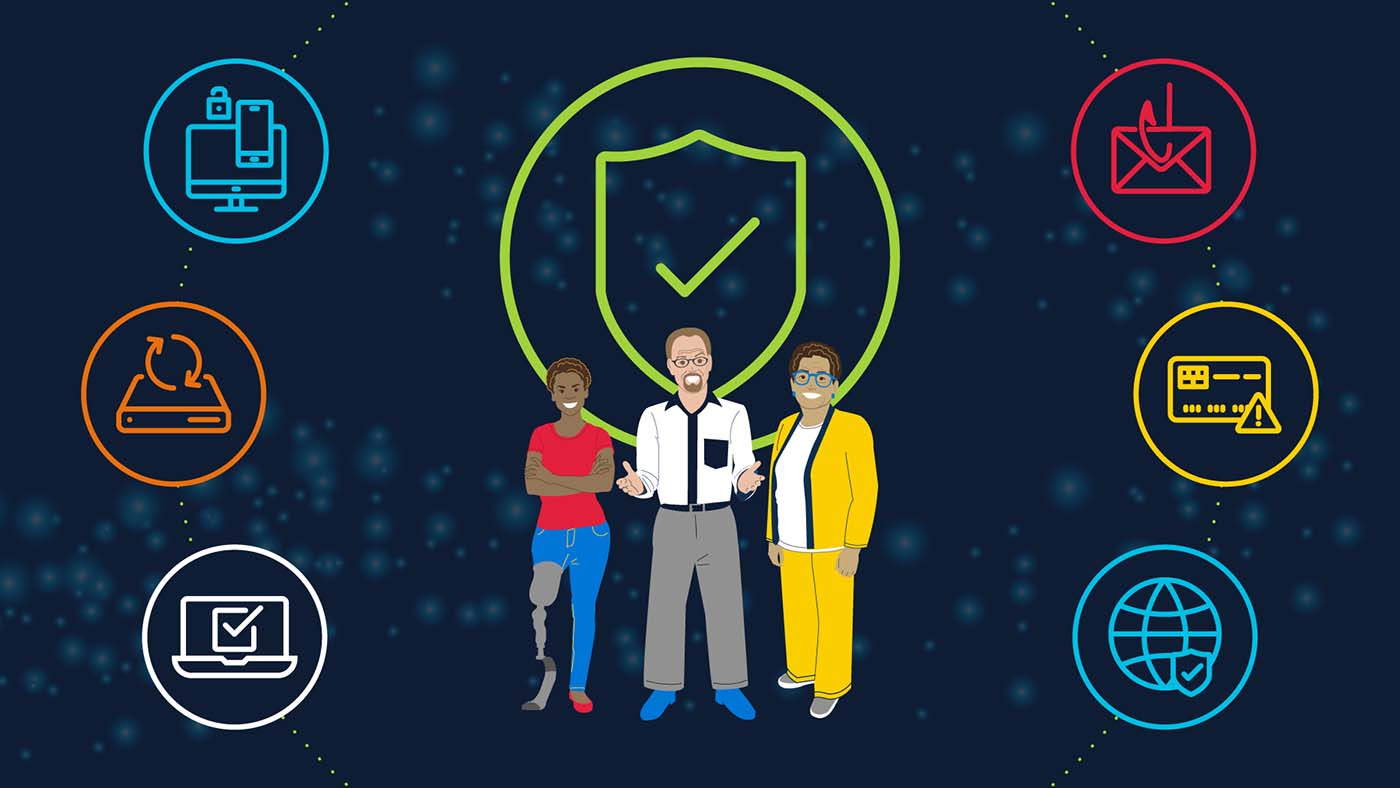
Maintaining strong cyber hygiene is equivalent to practicing good physical health; it is a set of daily habits that prevent major issues. This includes the use of a reputable password manager to ensure every account has a unique, complex password, and the rigorous application of software updates. Updates often contain critical patches for “zero-day” vulnerabilities that hackers are actively exploiting. Additionally, regularly reviewing your digital footprint and deleting old, unused accounts reduces your “attack surface.” Wearables tracking smart activities should also be carefully managed to ensure they aren’t leaking sensitive location or health data to unauthorized third parties. By making these small, consistent efforts, you create a baseline of security that makes you a much harder target for opportunistic cybercriminals, who usually look for the easiest and least-protected victims.
The Future of Data Privacy in a Post-Quantum World
Looking further ahead, the development of quantum computing poses a significant threat to current encryption methods. Quantum computers could theoretically crack the codes that protect our bank accounts and government databases in minutes. In response, the cybersecurity industry is already transitioning to “Post-Quantum Cryptography” (PQC). These are new encryption algorithms designed to be secure even against quantum-powered attacks. Staying ahead of this curve is the ultimate challenge for data protection in the coming years. The future of personal tech assistants will likely include integrated quantum-resistant security modules that protect your data automatically. While we are still in the early stages of this transition, choosing service providers that are already planning for a post-quantum future is a wise strategy for long-term data security and privacy.
Conclusion
Protecting personal data from cyber threats is an ongoing journey rather than a final destination. In the rapidly evolving landscape of 2026, the key to digital safety lies in a combination of advanced technology, rigorous habits, and a proactive mindset. By embracing AI-driven defense, implementing Zero Trust principles, and maintaining high standards of cyber hygiene, you can significantly mitigate the risks of identity theft and data breaches. Technology will continue to advance, and attackers will continue to find new ways to exploit vulnerabilities, but the tools at our disposal are more powerful than ever. Your digital privacy is a right worth fighting for, and with the right strategies in place, you can navigate the internet with confidence, knowing that your personal information is secure. The digital future is full of possibilities, and by securing your data today, you are ensuring a safer and more prosperous tomorrow for your digital self.
References and Further Reading:
CISA: Cybersecurity Awareness |
Electronic Frontier Foundation (EFF) |
NCSC: Data Protection Guide