
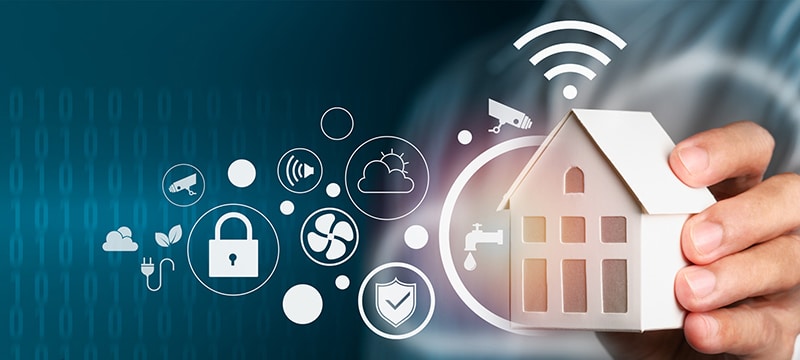

Rise of Smart Homes and IoT
In recent years, the rise of smart homes and the Internet of Things (IoT) has completely changed how we live, work, and interact with technology. Homes are no longer static places where we simply reside — they are now dynamic environments that can think, respond, and even learn from our behavior. This digital evolution, powered by artificial intelligence, automation, and connected devices, is creating a lifestyle that blends comfort, efficiency, and intelligence in ways we could only imagine a decade ago.
What Exactly Are Smart Homes?
A smart home is a living space enhanced by connected devices and technologies that communicate with each other through the Internet of Things (IoT). These devices can be managed remotely via smartphones, voice assistants, or smart hubs. Examples include smart thermostats that control temperature, intelligent lighting that adjusts brightness automatically, and security cameras that send live alerts to your mobile device. The concept of a smart home is to simplify daily routines, save energy, and improve safety.
What makes a home “smart” is not the number of gadgets it has but the way those gadgets interact. Through data exchange, sensors, and AI algorithms, your devices can understand your habits and anticipate your needs. For instance, your lights can dim when you’re watching a movie, or your coffee machine can start brewing as soon as your morning alarm rings.
How IoT Powers Smart Living
At the heart of every smart home lies the Internet of Things — a network of connected devices that collect and share data to make real-time decisions. IoT integrates sensors, cloud computing, and machine learning to create a responsive ecosystem. When your doorbell camera sends you a video notification or your air conditioner adjusts temperature automatically, IoT is working behind the scenes.
Everyday Examples of IoT in Smart Homes
- Smart lighting systems that adjust brightness or color based on time or mood.
- Connected door locks that allow remote access and visitor monitoring.
- AI-powered speakers like Alexa and Google Home for hands-free control.
- Smart fridges that track food expiration dates and shopping lists.
- Energy meters that monitor power usage to reduce costs.
The Benefits of Smart Homes
The benefits of smart homes extend beyond convenience. They have become essential for energy management, security, and overall well-being. Here’s how they make a difference:
- Energy Efficiency: Smart thermostats, lights, and appliances adapt to user habits, reducing unnecessary power consumption and lowering bills.
- Safety and Security: IoT-enabled cameras, motion detectors, and alarms protect your home in real time, whether you’re inside or away.
- Convenience: With voice or app control, homeowners can manage lighting, entertainment, and security from anywhere.
- Health and Comfort: Smart air purifiers, temperature sensors, and sleep trackers promote a healthier indoor environment.
Challenges and Security Concerns
Despite its many benefits, smart home technology is not without challenges. The biggest concern lies in data privacy and cybersecurity. Since most smart devices rely on internet connectivity, they can become targets for hackers if not properly secured. Protecting your data means ensuring that devices use strong passwords, encrypted communication, and regular firmware updates.
Manufacturers are also stepping up their efforts by adding AI-based threat detection systems that can identify suspicious activity. Cloud security and blockchain-based IoT authentication are also emerging as powerful tools to safeguard user information and prevent unauthorized access.
The Economic and Environmental Impact
Beyond personal benefits, smart homes have a positive impact on the economy and the environment. Energy-efficient systems help reduce carbon emissions by optimizing power usage. For instance, a smart thermostat can cut energy waste by up to 20%. Meanwhile, smart grids allow utilities to balance energy loads more effectively, preventing blackouts and reducing waste.
Economically, the smart home industry continues to grow at a rapid pace. According to recent reports, the global smart home market is projected to surpass $200 billion by 2025, driven by advancements in IoT sensors, AI chips, and 5G networks. This growth also creates new opportunities for startups and tech professionals specializing in automation, app development, and AI integration.
The Future of Smart Living
In the near future, we can expect homes that are even more intelligent, sustainable, and connected. AI-driven personalization will enable devices to learn not only what we do but why we do it. For example, a home assistant could analyze your schedule, weather data, and health patterns to automatically adjust lighting, temperature, and meal planning.
As IoT continues to merge with artificial intelligence, the boundaries between home, work, and city life will blur. Smart homes will integrate seamlessly with smart cities — sharing data to optimize traffic, waste management, and energy consumption. The result will be a more efficient and eco-friendly world.
Related Articles You Might Like
The rise of smart homes and IoT is just the beginning. As technology evolves, the line between the digital and physical world will fade, creating homes that are not only efficient but also empathetic. The smart home revolution represents a shift toward living smarter, greener, and more connected than ever before.