
Robotics Changing Agriculture
Table of Contents
- Introduction to Robotics in Agriculture
- Benefits of Robotics in Agriculture
- Types of Agricultural Robots
- Impact on Jobs and Employment
- The Role of AI in Agricultural Robotics
- Challenges and Limitations
- Future of Robotics in Agriculture
- Conclusion
Introduction to Robotics in Agriculture
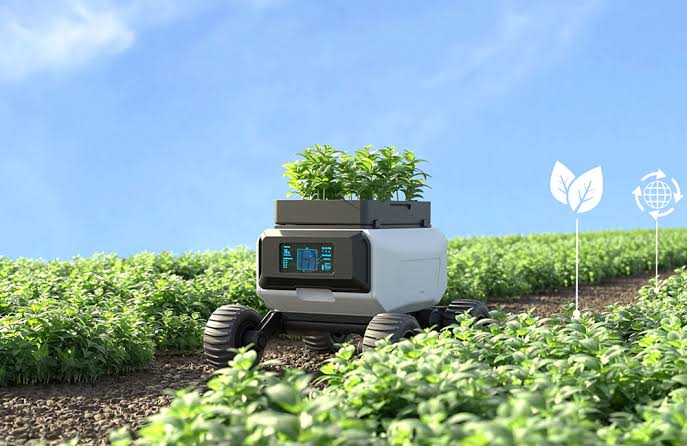
As technology continues to evolve, the agricultural sector is witnessing a technological revolution. Gone are the days when farming relied strictly on manual labor and traditional methods. Today, robotics is stepping into the limelight, changing the agricultural landscape dramatically. Imagine a world where robots can plant seeds, monitor crops, and even harvest produce—this is not just a fantasy but a growing reality. Robotics is not just about automation; it’s about enhancing productivity, sustainability, and efficiency in agriculture.
Benefits of Robotics in Agriculture
One of the main advantages of integrating robotics into farming is the dramatic increase in efficiency. Robots can work tirelessly around the clock, enabling farmers to complete tasks faster than ever before. This increased efficiency doesn’t just save time; it also leads to higher crop yields and ultimately, greater profitability. Additionally, robotics help in minimizing human error. By utilizing precise algorithms, these machines can perform repetitive tasks with unparalleled accuracy, ensuring that no crop is damaged in the process.
Moreover, robotics can help address labor shortages in agriculture. As many young people turn away from farming in search of urban jobs, robotic solutions offer a viable alternative, ensuring crops are harvested on time. Robots inherently minimize the physical strain on human workers, as they take over the most grueling tasks.
Types of Agricultural Robots
Autonomous Tractors
One of the most significant innovations in agricultural robotics is the autonomous tractor. These self-driving machines have revolutionized fieldwork by allowing farmers to plow, sow, and fertilize crops without human intervention. Implementing advanced GPS technology, these tractors can navigate fields with astonishing precision, reducing overlaps and ensuring that every inch of land is efficiently utilized.
Drones
Drones play a crucial role in modern agriculture as well. Equipped with cameras and sensors, they can fly over fields to capture essential data about crop health, soil conditions, and irrigation needs. This real-time monitoring allows farmers to make informed decisions based on actionable insights. Drones also help with targeted spraying of fertilizers and pesticides, minimizing chemical use and promoting sustainable practices.
Harvesting Robots
When it comes to harvesting crops, robots are quickly becoming invaluable. Robotics technology has led to the development of machines designed specifically for picking fruits and vegetables. These robots can recognize when produce is ripe and gently pick it without damaging the fruits or vegetables. This capability not only increases efficiency in harvesting but also ensures a higher quality product reaches consumers.
Weeding Robots
One of the most labor-intensive aspects of farming is managing weeds. Here, weeding robots come into play. This technology uses advanced computer vision and machine learning algorithms to identify and remove weeds without harming crops. By automating this tedious task, farmers can save both time and labor costs while fostering a healthier crop environment.
Impact on Jobs and Employment
While it’s true that robotic solutions can replace certain jobs, they also create new opportunities. The introduction of robotics necessitates skilled workers capable of maintaining and programming these machines. Agricultural technology companies are constantly on the lookout for talented individuals to innovate and improve existing systems. Hence, the agricultural job market is evolving, demanding a workforce skilled in technology.
Furthermore, robots take over the strenuous and repetitive tasks, allowing human workers to focus on more strategic roles—whether it’s planning, management, or even engaging in more advanced agricultural practices. As agriculture intertwines more with technology, the nature of jobs is shifting towards more technical roles suited for a new generation of workers.
The Role of AI in Agricultural Robotics
Artificial Intelligence (AI) serves as the backbone of modern agricultural robotics. AI algorithms allow robots to process vast amounts of data in real-time, making informed decisions that positively affect crop yields. For instance, AI-powered systems can analyze weather patterns, soil health, and crop growth to optimize planting schedules and resource allocation.
Moreover, machine learning enables robots to continually improve their performance. Through constant data collection and analysis, these systems can adapt their actions based on past outcomes. The fusion of robotics and AI is paving the way for smarter, more efficient agricultural practices that could significantly enhance food production.
Challenges and Limitations
Despite the numerous benefits of robotics in agriculture, certain challenges must be addressed. The initial investment in robotic technology can be daunting for many small-scale farmers. Additionally, the technological integration process may require significant training and adjustment.
Data privacy and security are also concerns as more connected devices enter farmlands. Farmers must safeguard sensitive information from cyber threats while ensuring robust systems are in place to protect against potential vulnerabilities.
Another limitation is the inability of robots to perform tasks that require human-like judgement, such as assessing the taste of a fruit or recognizing an anomaly in a crop’s growth that isn’t immediately visible. Bridging the gap between human sensitivity and robotic efficiency remains a critical focus for developers in the agricultural sector.
Future of Robotics in Agriculture
The future of robotics in agriculture looks promising. As technology continues to advance, robots will become increasingly sophisticated and capable of more complex tasks. Innovations in AI, machine learning, and sensor technologies will drive this evolution, enabling even greater efficiency and sustainability.
Moreover, as climate change poses significant challenges to global food production, robotics will play a crucial role in adapting agriculture practices to ensure environmental sustainability. This could involve developing robots that can operate in diverse and challenging weather conditions, enhancing resilience to unpredictable climates.
Furthermore, as societies continue to face growing populations and increased demand for food, the role of robotics is poised to become more central. By fostering partnerships between technologists and farmers, communities can explore unique solutions to existing and emerging agricultural issues.
Conclusion
Embracing the Future of Farming
The world of agriculture is undergoing fundamental changes driven by robotics. The efficiency, precision, and ability to handle labor shortages present a compelling case for the adoption of robotic technologies in farming. As these innovations evolve, you’ll witness a paradigm shift in how food is produced, distributed, and consumed.
For young tech enthusiasts, the intersection of agriculture and technology offers exciting career opportunities and avenues for innovation. Embracing the future of robotics in agriculture is not just about getting involved in a growing field; it’s about being part of a sustainable approach to meet global food demands while preserving the planet for future generations.