
Smart Glasses and the Future of Augmented Reality
Augmented reality (AR) is revolutionizing the way we interact with digital information, and smart glasses are at the forefront of this technological wave. These wearable devices overlay digital content onto the real world, creating immersive experiences for users. In 2025, the combination of AR and smart glasses is poised to transform industries from gaming and entertainment to healthcare, education, and enterprise solutions.
What Are Smart Glasses?
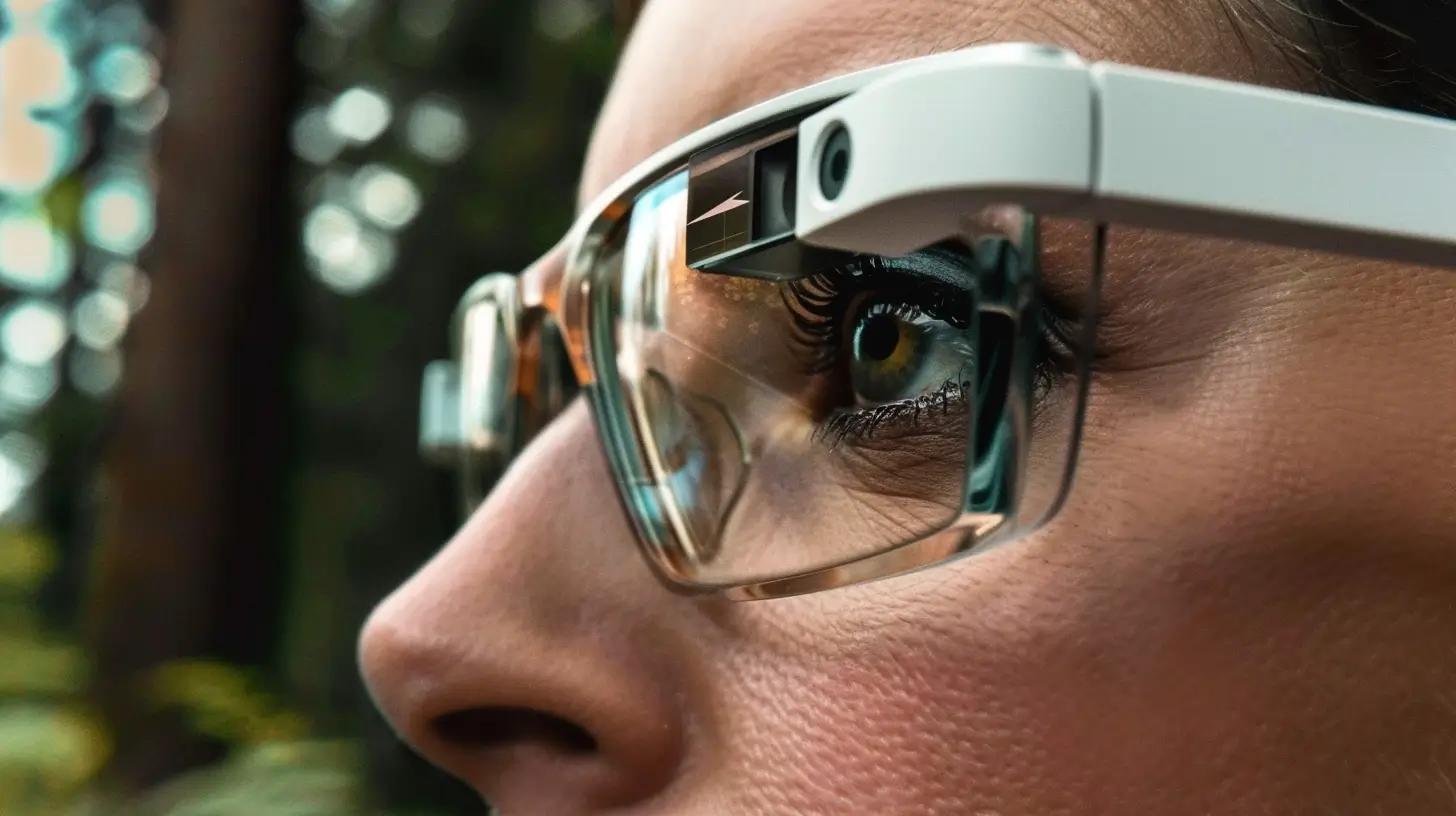
Smart glasses are wearable devices equipped with AR technology, sensors, cameras, and connectivity features. They allow users to see digital overlays on the real environment, providing information, navigation, and interactive content without relying solely on smartphones or computers. Some smart glasses also include voice control, gesture recognition, and AI integration to enhance usability.
Key Features of Smart Glasses
- AR overlays for real-world navigation
- Real-time notifications and alerts
- Voice and gesture-controlled interaction
- Integration with smartphones and cloud services
- AI-powered personalization and assistance
Applications in Gaming and Entertainment
One of the most exciting areas for smart glasses and AR is gaming and entertainment. AR games allow players to interact with digital elements in their physical environment, creating a more immersive experience. Smart glasses can also enhance live events, movies, and concerts by overlaying interactive content, 3D visualizations, and social media interactions.
Major game developers and tech companies are investing heavily in AR platforms and compatible devices, making 2025 a significant year for AR adoption in the entertainment industry.
Impact on Education and Training
Smart glasses are transforming education and training by providing hands-on, interactive learning experiences. AR-enabled textbooks, virtual labs, and field simulations allow students to engage with content in 3D and contextual environments. Medical training, engineering, and technical skill development benefit significantly from AR simulations, reducing costs and improving retention rates.
For example, medical students can practice surgical procedures in AR before operating on real patients, enhancing safety and efficiency.
Enterprise and Workplace Applications
Businesses are increasingly leveraging smart glasses to boost productivity and efficiency. AR-based smart glasses assist employees in complex assembly tasks, remote troubleshooting, logistics, and field operations. With AI integration, these devices can provide step-by-step instructions, highlight errors, and monitor progress in real-time.
Enterprise adoption is expected to grow in 2025, particularly in manufacturing, logistics, healthcare, and construction industries, where hands-free, real-time guidance can save time and reduce mistakes.
Healthcare and AR-Assisted Surgery
Smart glasses combined with AR have significant implications for healthcare. Surgeons can overlay patient data, imaging scans, and real-time analytics during operations, enhancing precision and reducing risk. Telemedicine and remote consultations are also improving with AR-enabled smart glasses, allowing doctors to collaborate effectively across distances.
Future Developments in Smart Glasses
The future of smart glasses involves thinner, lighter, and more affordable devices with improved battery life, higher resolution displays, and better AR tracking. Integration with 5G networks will enable real-time, high-speed data processing and cloud connectivity. AI-driven applications will further enhance personalization, productivity, and entertainment experiences.
Upcoming Innovations
- AR navigation for urban and indoor environments
- Enhanced multiplayer AR gaming experiences
- AI-based content recommendations and overlays
- Seamless integration with smart home devices
- Wearable health monitoring and alerts
Challenges and Ethical Considerations
Despite its potential, AR and smart glasses face challenges. Privacy concerns arise due to constant camera recording, facial recognition, and data collection. Additionally, prolonged AR use may cause eye strain or cognitive overload. Developers must balance innovation with ethical design, ensuring user consent, data security, and safe usage guidelines.
Conclusion
The future of smart glasses and augmented reality promises to reshape how we interact with digital content, work, learn, and play. By combining AR, AI, and wearable technology, these devices offer immersive and efficient experiences across multiple sectors. As 2025 approaches, early adopters and businesses embracing smart glasses will benefit from increased productivity, creativity, and engagement. Whether in education, healthcare, enterprise, or entertainment, the AR revolution is set to redefine our everyday interactions with the world.