

Smart Tech for Public Safety
Table of Contents
- Introduction
- The Rise of Smart Technology
- Connected Communities: Building Safe Environments
- Smart Surveillance Systems
- Disaster Monitoring and Response Technologies
- Emergency Communication Systems
- The Role of AI in Public Safety
- Privacy and Security Concerns
- Conclusion: Embracing the Future of Safety
Introduction
Public safety has always been a paramount concern for communities around the world. With advancements in technology, especially in smart tech, there are innovative solutions emerging that aim to enhance this critical aspect of society. As a young individual, you are a part of a generation that values the fusion of technology with everyday life, opening up new possibilities for ensuring safety in public spaces. This article will delve into various smart technologies and how they are reshaping public safety.
The Rise of Smart Technology
The rapid evolution of technology has given rise to smart devices, connectivity, and automation. This transformation is not just limited to personal gadgets; it extends into public safety measures as well. Smart technology includes anything from Internet of Things (IoT) applications to artificial intelligence, all working together to create safer, smarter cities. For younger generations, understanding these technologies can foster greater awareness and engagement in community safety initiatives.
Connected Communities: Building Safe Environments
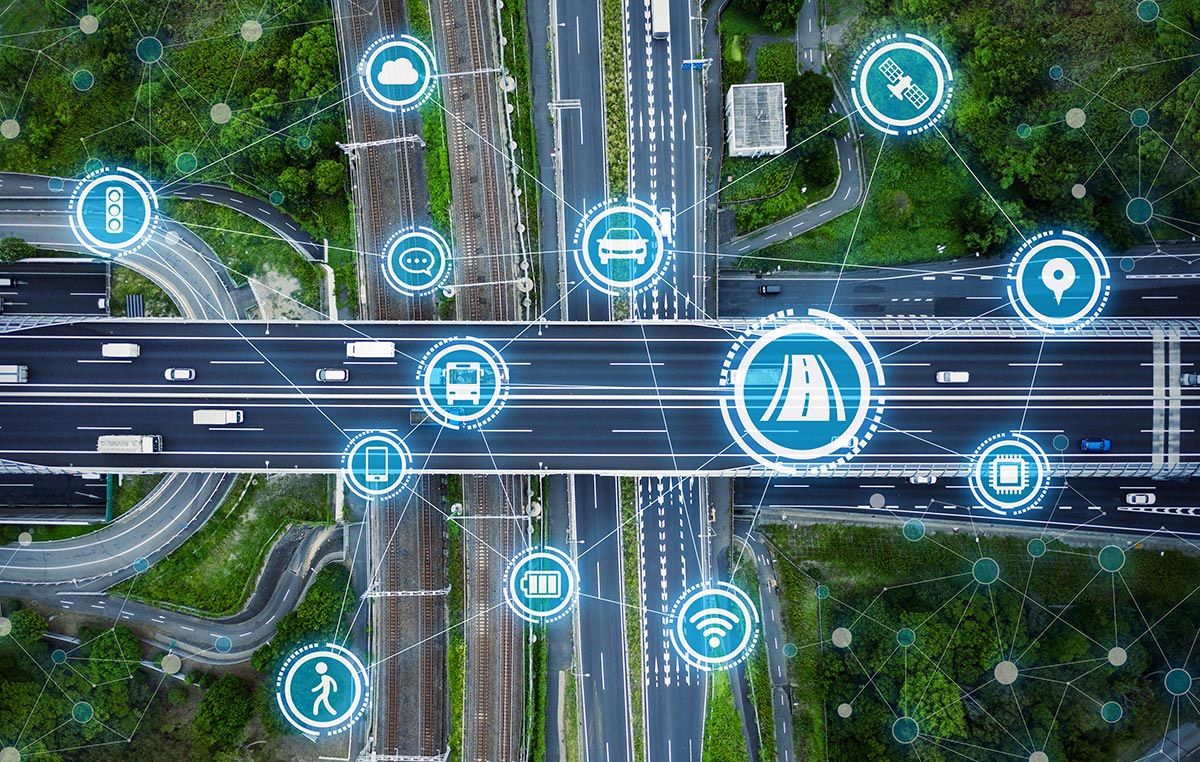
Connected communities leverage technology to create safer environments. Smart city initiatives encompass interconnected systems that enhance urban living. Features like smart streetlights with sensors can detect unusual activity or track pedestrian traffic patterns to prevent accidents.
By utilizing apps that connect citizens with local police and emergency services, communities can promote collaborative safety measures. Such platforms allow you to report suspicious activities, share emergency tips, and receive real-time updates during crises. This technological synergy fosters a sense of collective responsibility, empowering everyone to contribute to their community’s safety.
Smart Surveillance Systems
One of the most prominent areas where smart tech impacts public safety is through advanced surveillance systems. Traditional CCTV setups are being replaced by intelligent video analytics systems that employ artificial intelligence to recognize faces, detect anomalies, and operate autonomously in monitoring environments.
Imagine walking down a busy street where smart cameras are not just recording but also analyzing behavior. If someone exhibits signs of distress or if a fight breaks out, these systems can alert local authorities more efficiently than human observers. By integrating data from multiple sources, including traffic cameras and social media feeds, public safety agencies can respond promptly, enhancing overall community safety.
Disaster Monitoring and Response Technologies
Natural disasters such as hurricanes, earthquakes, and floods pose significant risks to public safety. Smart technology is at the forefront of disaster monitoring and response. Early warning systems now utilize IoT devices and satellite data to predict weather patterns and alert communities before calamities strike.
Temperature and humidity sensors can operate in remote areas and send real-time data to emergency services, enabling them to mobilize resources more effectively. Moreover, AI-based analytics helps in assessing damage after a disaster, optimizing the recovery process.
For teenagers and young adults interested in a tech-savvy approach to disaster communication, these tools provide opportunities to engage with local governments and organizations, potentially participating in volunteer programs focused on disaster preparedness.
Emergency Communication Systems
During emergencies, effective communication is critical. Smart tech enhances emergency communication systems through platforms that integrate social media, SMS alerts, email, and mobile apps. For instance, local authorities can disseminate information about evacuations or safety tips via a single, unified platform that reaches a large audience instantly.
That’s where social media plays a pivotal role. Many organizations use platforms like Twitter and Facebook to communicate during emergencies. By sharing updates through apps you regularly use, these technologies ensure that you remain informed, which is invaluable in life-threatening situations.
The Role of AI in Public Safety
Artificial Intelligence has revolutionized multiple sectors, and public safety is no exception. AI algorithms analyze vast amounts of data from different sources—traffic patterns, social media activity, and emergency services reports—to identify trends and forecast potential issues.
For instance, predictive policing utilizes AI to analyze crime patterns and allocate resources more effectively. Young people can understand the importance of this technology in making informed decisions about personal safety and community engagement.
AI-driven chatbots also enhance the efficiency of public safety agencies. They can handle non-emergency inquiries and free up human operators to focus on critical situations, improving overall response times.
Privacy and Security Concerns
While smart technology holds immense promise for enhancing public safety, it also raises significant privacy concerns. Surveillance systems that monitor public spaces can lead to potential abuse if not managed well. People often express discomfort at the thought of being constantly monitored, even in the name of safety.
As a young individual, it is essential to be aware of these concerns and advocate for transparency in how data is collected and utilized. Engaging in conversations about public safety technology ensures that solutions respect individual rights while protecting communities.
Public forums and discussions are a great way to express your views. By participating, you can advocate for balanced approaches that prioritize both safety and privacy.
Conclusion: Embracing the Future of Safety
The integration of smart technology into public safety has transformed the way communities approach security and emergency responsiveness. With the convenience and efficiency that these technologies provide, young individuals today have more tools than ever to contribute to the safety of their communities.
Embracing these innovations not only enhances personal safety but also empowers you to participate actively in creating a secure environment. As you navigate the intersection of technology and safety, understand the responsibility that comes with it. Engage in discussions, volunteer for community programs, and advocate for responsible use of technology. The future of public safety is bright, and you are a crucial part of that journey.
As smart tech continues to evolve, so will the possibilities for keeping communities safer and more connected. Your involvement can make all the difference in fostering a culture of vigilance, preparedness, and community spirit. Stay curious, stay informed, and be a champion for smart technology in public safety.