
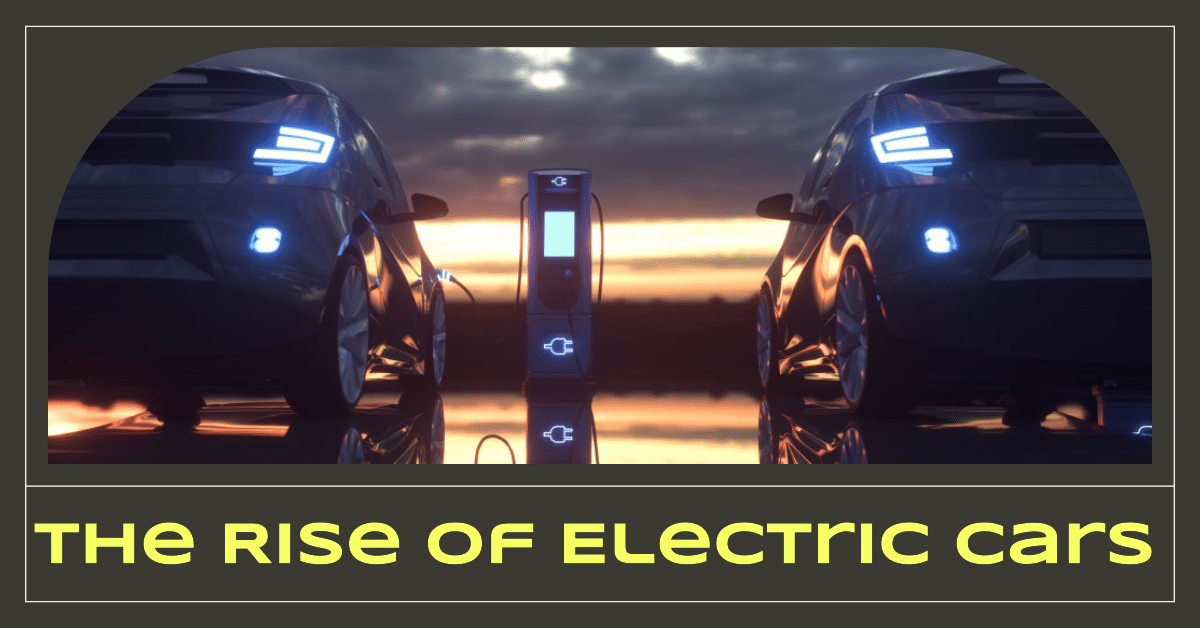

The Rise of Electric Vehicles: Are We Ready?
Electric vehicles (EVs) are rapidly transforming the automotive landscape. With governments promoting green energy and major automakers investing in electric technology, the shift from traditional internal combustion engines to electric mobility is accelerating. But are we truly ready for this revolution? Understanding the benefits, challenges, and future prospects is essential for both consumers and industry players.
The Growth of Electric Vehicles
Global EV sales have surged in recent years, driven by innovative battery technology, reduced costs, and government incentives. Leading manufacturers such as Tesla, Nissan, and Volkswagen are introducing models with longer ranges and faster charging capabilities. Consumers are increasingly embracing EVs as reliable and environmentally friendly alternatives to gasoline-powered cars.
Check out our post on Future of Electric Vehicles for more insights into upcoming EV models and trends.
Key Factors Driving EV Adoption
- Government subsidies and tax incentives
- Improved battery efficiency and range
- Lower total cost of ownership compared to gas cars
- Growing awareness of environmental impact
- Advances in charging infrastructure
Environmental Benefits
EVs produce zero tailpipe emissions, significantly reducing greenhouse gas emissions and air pollution. Cities with high EV adoption are experiencing cleaner air and a lower carbon footprint. Transitioning to electric mobility aligns with global climate goals, such as the Paris Agreement, and contributes to sustainable urban development.
Learn how technology is helping fight climate change alongside EV adoption.
Challenges Facing Electric Vehicles
Battery Technology and Range Anxiety
While battery technology has improved, range anxiety remains a concern for many consumers. Most EVs offer 200–400 miles per charge, but long trips can still be challenging without a widespread charging network.
Charging Infrastructure
Although charging stations are growing rapidly, availability is still limited in many regions. Fast chargers can reduce wait times, but users often rely on home or workplace charging, which may not be practical for all.
Cost and Accessibility
EVs can have higher upfront costs compared to traditional cars. While incentives help offset the price, accessibility remains a barrier for some consumers. Second-hand EV markets are gradually expanding but are still limited in availability.
The Role of Technology in EV Adoption
Advanced technologies are making EVs more appealing and practical. Smart battery management, regenerative braking, and AI-powered route planning enhance efficiency and usability. Additionally, autonomous driving technology is being integrated with EVs, paving the way for safer and more convenient transportation.
Explore the latest in AI and robotics in our post on Future of Robotics and Automation.
Economic Impacts
The rise of EVs affects multiple sectors of the economy. Job creation in battery manufacturing, charging infrastructure, and software development offsets declines in traditional auto sectors. Governments and companies must navigate this shift carefully to ensure workforce adaptation and economic stability.
Investment Opportunities
- Battery production and innovation
- Charging networks and smart grids
- EV software and autonomous systems
- Renewable energy integration
Consumer Perspectives
Consumers are increasingly valuing sustainability, cost savings, and performance in their vehicle choices. While early adopters embrace cutting-edge EV models, widespread adoption depends on public awareness, affordability, and convenience.
See our post on Must-Have Smart Wearables for insights into technology adoption trends among consumers.
The Future Outlook
EVs are expected to dominate the automotive industry in the next decade. Innovations in solid-state batteries, wireless charging, and vehicle-to-grid integration will further enhance the appeal. As more automakers commit to electrification, infrastructure and consumer readiness will catch up, creating a sustainable and efficient transportation ecosystem.
Final Thoughts
The rise of electric vehicles is more than just a technological shift—it represents a cultural, economic, and environmental transformation. While challenges like range anxiety, infrastructure, and cost remain, advances in technology and policy support are bridging the gap. By staying informed and adopting smart practices, consumers and businesses can fully embrace the EV revolution.
For more insights on futuristic technology, read Future Gadgets to Watch and Top AI Startups in 2025.