

Understanding Neural Networks: A Complete Guide
Neural networks are at the core of modern machine learning in business and artificial intelligence (AI). These computational models mimic the human brain, enabling machines to recognize patterns, make predictions, and solve complex problems. Understanding neural networks is essential for developers, data scientists, and tech enthusiasts aiming to leverage AI for innovation and productivity.
What Are Neural Networks?
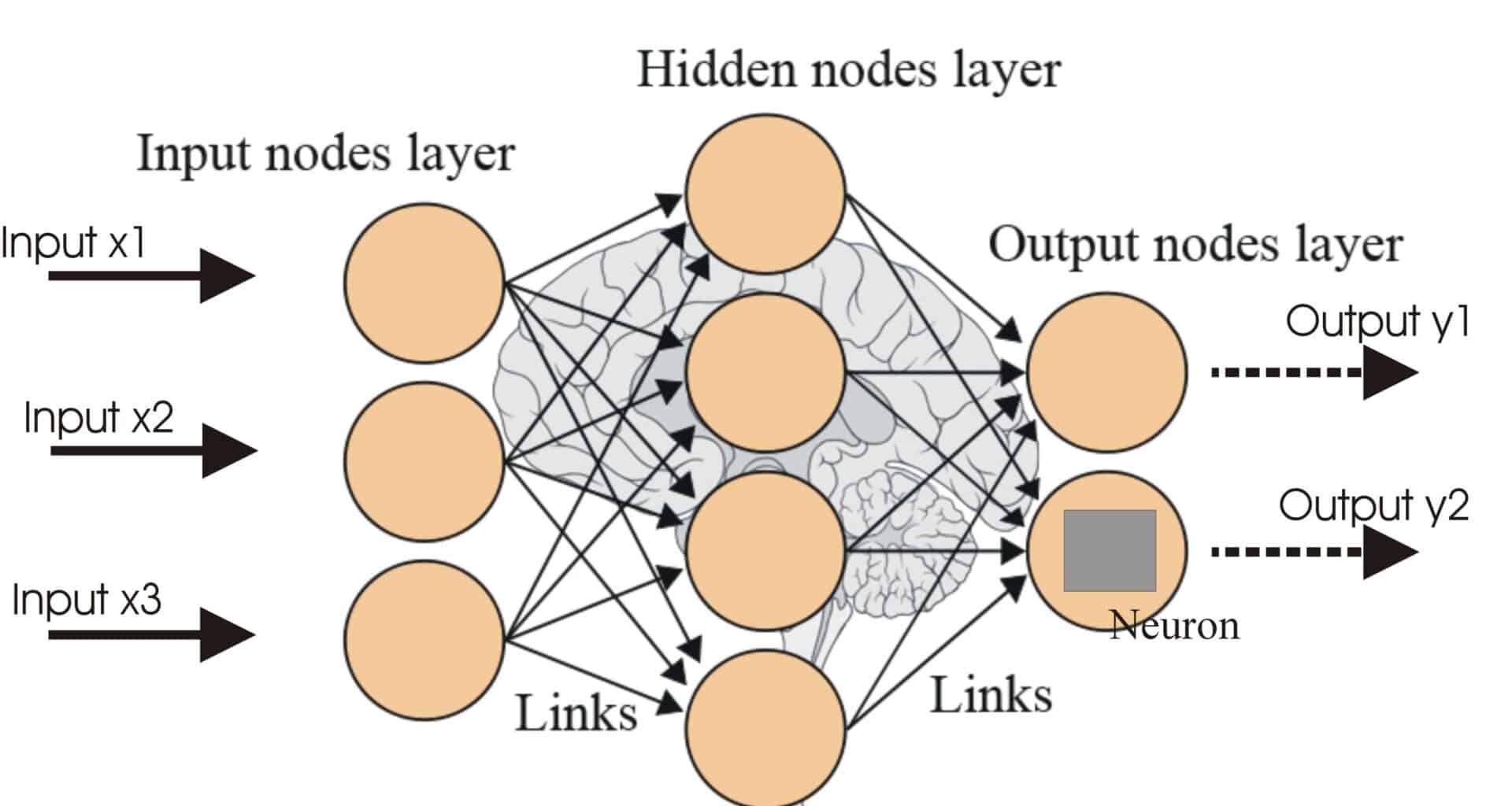
A neural network is a system of algorithms designed to recognize relationships in data, inspired by the structure and function of the human brain. It consists of layers of interconnected nodes, also called neurons, which process input data to produce an output. Neural networks excel in tasks like image recognition, natural language processing, and predictive analytics.
Key Components of Neural Networks
- Input Layer: Receives the initial data for processing.
- Hidden Layers: Perform intermediate computations and pattern recognition.
- Output Layer: Provides the final prediction or classification.
- Weights and Biases: Adjusted during training to improve accuracy.
- Activation Functions: Determine how neurons fire based on inputs.
How Neural Networks Learn
Neural networks learn through a process called training, where the system adjusts its weights and biases based on error minimization. This process, known as backpropagation, allows the network to improve its predictions over time. Training requires large datasets and computational power, making cloud computing and AI tools invaluable for developers.
Supervised vs Unsupervised Learning
- Supervised Learning: The network learns from labeled data, such as classifying images or predicting sales.
- Unsupervised Learning: The network identifies patterns in unlabeled data, like customer segmentation or anomaly detection.
- Reinforcement Learning: The network learns by interacting with an environment, receiving rewards or penalties.
Applications of Neural Networks
Neural networks power a wide range of applications in AI, business, healthcare, and technology. They enable automation, predictive analytics, and smart decision-making across industries.
Business Applications
- Customer behavior prediction for marketing strategies
- Financial forecasting and risk assessment
- Supply chain optimization
- Personalized recommendations for e-commerce
- Machine learning integration in business operations
Healthcare Applications
- Medical imaging and diagnosis prediction
- Drug discovery and genomics analysis
- Patient risk assessment and monitoring
- Predictive healthcare analytics
- Wearable health data analysis
Technology and AI Applications
- Image and speech recognition
- Natural language processing for chatbots
- Autonomous vehicles and robotics
- Smart home AI integration
- Cybersecurity threat detection
Types of Neural Networks
Neural networks come in various architectures depending on the task at hand. Each type offers specific advantages for different applications.
Feedforward Neural Networks (FNN)
The simplest type of neural network where data moves in one direction from input to output. Ideal for basic prediction and classification tasks.
Convolutional Neural Networks (CNN)
Used primarily for image and video recognition. CNNs use convolutional layers to detect patterns and spatial hierarchies.
Recurrent Neural Networks (RNN)
Designed for sequential data, such as time series or natural language. RNNs retain information across steps to understand context.
Generative Adversarial Networks (GAN)
Consists of two networks competing against each other to generate realistic data, often used in AI-generated art, video, and content creation.
Challenges in Neural Networks
Despite their power, neural networks face challenges like overfitting, high computational requirements, and interpretability issues. Choosing the right architecture and proper training data is crucial to achieving accurate and reliable results.
Key Challenges
- Data dependency and quality requirements
- Complexity in designing deep architectures
- High computational and energy costs
- Difficulty in explaining predictions (black-box problem)
- Risk of bias if training data is unbalanced
Conclusion
Understanding neural networks is fundamental for leveraging AI in business, healthcare, and technology. From machine learning applications to predictive analytics and smart automation, neural networks offer immense potential. Staying informed and skilled in this field ensures that you can harness the full capabilities of AI and drive innovation in your industry. As neural network technology evolves, it will continue to shape the future of intelligent systems and connected devices.