
Wearables Tracking Smart Activities
Table of Contents
- The Quantified Self: Moving Beyond the Step Counter
- The Architecture of Continuous Data Collection
- Advanced Metrics: The Science of Recovery and Wellness
- The Role of AI in Personalized Fitness and Coaching
- Clinical-Grade Monitoring and the Future of Preventative Health
- Enhancing Sports Performance: Real-Time Biometric Feedback
- Emerging Form Factors: Rings, Patches, and Smart Clothing
- Ethical Imperatives: Privacy, Security, and Data Ownership
- The Future of Wearables: Predictive, Proactive, and Personalized
The Quantified Self: Moving Beyond the Step Counter
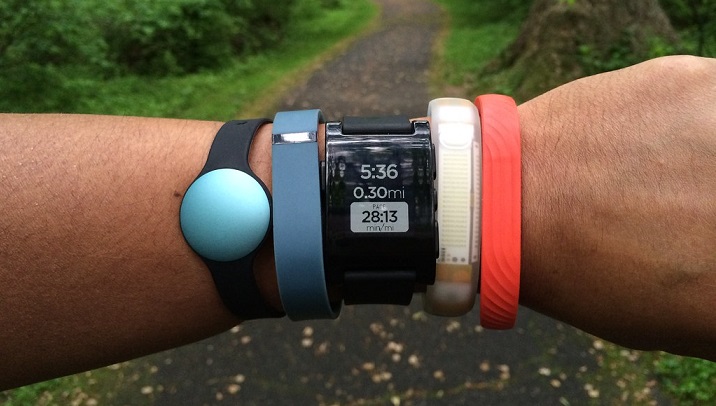
Wearable technology has undergone a profound transformation, evolving rapidly from simple step counters into sophisticated, always-on biometric monitoring systems. This evolution marks a pivotal moment in the movement known as the “Quantified Self,” where individuals continuously collect and analyze data about their own lives. Initial fitness trackers provided rudimentary metrics like step count and estimated calories burned, offering a basic view of daily activity. Today, advanced smartwatches, rings, and patches capture a complex symphony of physiological signals—heart rate variability, skin temperature, blood oxygen saturation, and detailed sleep cycles—that provide deep, personalized insights into health, recovery, and overall wellness. This continuous, high-fidelity data collection is fundamentally changing the way we perceive and manage our physical and mental health, shifting the power of diagnostic information from the clinic directly into the hands of the individual.
The ubiquity of these devices, integrated seamlessly into accessories like smart rings and conventional-looking watches, ensures that data collection is passive and non-intrusive. This continuous monitoring capability is key, as it provides a baseline health profile, or ‘digital signature,’ of the user. Deviations from this baseline, however subtle, can be flagged by analytical algorithms, potentially signaling the onset of stress, fatigue, or even viral illness before subjective symptoms manifest. This proactive detection capability is where the “smart” aspect of activity tracking truly comes into its own, moving the technology beyond mere record-keeping to becoming a crucial tool for preventative health management and optimized living. The seamless integration of electronics, sensors, and wireless communication into comfortable form factors allows for the sustained collection of data necessary for these powerful insights.
The Architecture of Continuous Data Collection
The ability of wearables to track smart activities hinges on a sophisticated interplay of miniaturized hardware, embedded firmware, and complex algorithms. While the form factors—from wrists to fingers—may vary, the core sensor technology remains the engine of data capture. The most common sensor is the **accelerometer**, which measures movement and orientation, providing the raw data for step counting, distinguishing between various physical activities, and determining sleep stages. Coupled with the accelerometer is the **gyroscope**, which measures rotational velocity and helps to refine activity recognition, making the tracking of complex movements in sports like yoga or golf possible.
For physiological data, the **Photoplethysmography (PPG)** sensor is the workhorse for heart rate monitoring. This sensor shines an LED light into the skin and measures the amount of light that is absorbed or reflected by the user’s blood flow. Subtle changes in blood volume, corresponding to the cardiac cycle, allow the device to calculate heart rate and, more importantly, **Heart Rate Variability (HRV)**. Advanced wearables also incorporate specialized electrodes to capture an **Electrocardiogram (ECG)**, offering medical-grade readings of the heart’s electrical rhythm to detect potential irregularities like atrial fibrillation. The combination of these precise sensors, coupled with machine learning algorithms that can filter out motion artifacts and noise, allows for the continuous, high-accuracy tracking required for meaningful health analysis, transforming raw light and movement readings into actionable physiological metrics.
Advanced Metrics: The Science of Recovery and Wellness
The true value of modern wearables lies in their ability to translate raw physiological data into highly nuanced metrics related to systemic health, recovery, and mental wellness. These metrics move far beyond simple caloric expenditure, offering a window into the body’s internal state.
**Sleep Tracking** is a primary area of sophistication. Wearables meticulously track duration in various sleep stages—Light, Deep, and REM—using a combination of movement (accelerometer) and physiological signals (HRV). Analyzing the proportion of time spent in restorative deep and REM sleep is critical for assessing physical repair and cognitive function. **Heart Rate Variability (HRV)**, the subtle variation in time intervals between successive heartbeats, is a key indicator of the autonomic nervous system balance between its sympathetic (fight-or-flight) and parasympathetic (rest-and-digest) branches. A lower HRV often correlates with higher stress, fatigue, or potential illness, while a higher HRV indicates good recovery and readiness to train. Wearables leverage this metric to provide a daily “readiness score” or “recovery score,” guiding users on whether to push themselves with a hard workout or prioritize rest.
Furthermore, **Skin Temperature Tracking** has emerged as a crucial indicator, especially in the discreet form factor of a smart ring worn on the finger. Continuous temperature monitoring can highlight hormonal changes, particularly in women’s health for tracking menstrual cycles and estimating ovulation. More generally, it can flag potential shifts in the body’s thermoregulation system that may precede the onset of a fever or infectious illness. The combination of these advanced metrics—HRV, sleep stage distribution, and skin temperature—creates a holistic and highly personalized view of daily wellness, allowing individuals to actively manage their energy, stress, and physiological responses to their environment and activities.
The Role of AI in Personalized Fitness and Coaching
The immense amount of data generated by continuous monitoring would be overwhelming without Artificial Intelligence (AI) and Machine Learning (ML) to process and interpret it. AI is the critical layer that transforms raw biometric numbers into personalized, actionable guidance, moving the wearable from a data recorder to a virtual coach.
AI algorithms analyze a user’s entire history, identifying long-term trends and individual responses to specific types of activity, diet, and stress. For instance, an AI can analyze the relationship between a user’s late-night eating habit and the resulting drop in their Deep Sleep duration and subsequent lower HRV score. Based on these personalized correlations, the AI can generate tailored recommendations. In fitness, AI dynamically adjusts workout plans in real-time. If the wearable detects that a user’s heart rate spiked unusually high during a moderate-intensity run (signaling fatigue), the AI can immediately suggest reducing the intensity of the remaining workout or recommending an active recovery session for the next day, preventing overtraining and reducing injury risk. This dynamic adjustment ensures that the workout plan is always optimized for the user’s current physiological state, maximizing training efficiency.
Moreover, AI is advancing into the realm of **form and technique correction**. Wearables embedded in specialized clothing, patches, or even smart headphones can track subtle movement patterns and posture. AI algorithms analyze this motion capture data and provide real-time audio or haptic feedback to correct improper form during exercises like weightlifting or running, acting as a personal trainer to maximize effectiveness and minimize the risk of muscle strain or long-term injury. This level of personalized, constant feedback is transforming how both amateur and professional athletes train, enabling precise, data-driven performance optimization that was previously only accessible through expensive laboratory analysis.
Clinical-Grade Monitoring and the Future of Preventative Health
The convergence of high-accuracy sensors and sophisticated AI is increasingly pushing wearables beyond the wellness space and into the realm of regulated, clinical-grade health monitoring. Leading smartwatches have secured regulatory clearances for features such as **on-demand single-lead ECG recording** and **Fall Detection**, making them valuable medical devices, not just consumer gadgets. The ability of these devices to continuously monitor key vital signs—such as heart rhythm, blood oxygen saturation ($\text{SpO}_2$), and heart rate—in the patient’s natural environment offers significant advantages over traditional, episodic clinical measurements.
This capability is particularly transformative for **Remote Patient Monitoring (RPM)**. Patients with chronic conditions such as heart failure, hypertension, or diabetes can use wearables to transmit real-time data to their care teams. For example, a continuous drop in $\text{SpO}_2$ or a persistent elevation in resting heart rate can trigger an automated alert to a clinician, allowing for pre-emptive intervention before a medical crisis necessitates an expensive and disruptive emergency room visit or hospitalization. Beyond chronic care, wearable technology is being utilized in clinical research to gather massive, continuous datasets on patient populations, accelerating the discovery of digital biomarkers and providing richer, real-time insights into disease progression and treatment efficacy than traditional paper surveys or scheduled visits can offer. This shift toward continuous, preventative monitoring is crucial for reducing healthcare costs and improving the long-term management of complex conditions globally.
Enhancing Sports Performance: Real-Time Biometric Feedback
In the highly competitive world of professional and elite amateur sports, wearables have become indispensable tools for performance enhancement, injury prevention, and optimal recovery planning. Athletes utilize specialized wearables, including GPS trackers, smart vests, and sophisticated smart insoles, to gather comprehensive data on every aspect of their physical exertion and recovery profile.
During training, wearables track metrics such as speed, acceleration, deceleration, distance covered, and **energy expenditure**. This data, combined with physiological metrics like maximum heart rate and $\text{VO}_2$ max estimates, allows coaches to precisely quantify an athlete’s physical load. By using the recovery data—such as overnight HRV and deep sleep duration—the training load for the following day can be precisely calibrated to achieve maximum adaptation without tipping the athlete into the dangerous zone of overtraining. For team sports, wearable GPS vests track positional data to analyze tactical effectiveness and track total distance covered at high intensity. This level of granularity helps minimize non-contact injuries, as AI can flag fatigue or improper movement patterns long before a muscle tear or stress fracture occurs. The data gathered is no longer anecdotal; it is a clinical-grade resource used to inform decisions on everything from team selection and substitution timing to long-term athletic development and peak performance scheduling.
Emerging Form Factors: Rings, Patches, and Smart Clothing
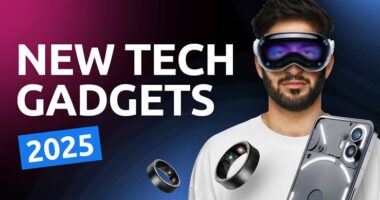
While the smartwatch remains the dominant form factor, innovation is rapidly driving wearables toward more discreet, comfortable, and specialized designs, each optimized for different data collection needs. **Smart Rings** have emerged as a premium alternative, especially for sleep and recovery tracking. Worn on the finger, smart rings offer superior skin contact and proximity to the arteries and capillary beds, enabling exceptionally accurate measurements of heart rate variability and skin temperature. They also offer longer battery life and a screen-free experience that is less intrusive, making continuous, 24/7 wear more practical for passive monitoring.
**Smart Patches** are another significant development. These adhesive, skin-worn patches are often disposable and designed for specific, short-term clinical monitoring, such as extended ECG recording or continuous glucose monitoring (CGM). Their close contact with the skin and streamlined design allow for the accurate capture of data that wrist-worn devices might miss. Furthermore, **Smart Clothing and Textiles** embed sensors directly into fabrics, monitoring everything from posture, muscle activity (EMG), and respiratory rate to fluid loss. These devices seamlessly integrate into the daily routine, providing holistic data capture during exercise and rest without the need for an external accessory. This diversification of form factor ensures that continuous, smart activity tracking can be customized for any specific need, whether it’s high-accuracy sleep tracking from a ring, real-time athletic gait analysis from smart insoles, or long-term clinical monitoring from a patch.
Ethical Imperatives: Privacy, Security, and Data Ownership
The profound intimacy of data collected by wearables—including precise heart rhythm, sleep quality, location history, and potential signs of illness—raises significant ethical and operational challenges that must be addressed to maintain user trust. The first concern is **Data Privacy and Security**. Since this information is often transferred wirelessly to a cloud server, it is vulnerable to cyberattacks and unauthorized access. Robust end-to-end encryption, multi-factor authentication, and compliance with strict regulations like HIPAA and GDPR are non-negotiable requirements. Wearable companies must prioritize cybersecurity not as a feature, but as a core ethical imperative.
Equally critical is the issue of **Informed Consent and Data Ownership**. Many consumers are unaware of the extent to which their data is being aggregated, anonymized, and potentially sold or shared with third parties, such as advertisers, insurance companies, or employers. Users must be given clear, understandable policies and explicit control over their data, including the right to opt-out or delete their information. The potential for **Data Misuse** is also a looming threat; if insurance companies or employers gain access to continuous health data, they could potentially use it to discriminate against individuals based on a perceived pre-existing condition or a lifestyle that suggests a higher future health risk. Responsible development requires transparency and regulatory oversight to ensure that these powerful tools serve to empower individuals, not to penalize them for their private health information.
The Future of Wearables: Predictive, Proactive, and Personalized
The journey of wearable technology is far from complete. The future promises devices that are not just reactive—telling you what happened—but truly **predictive** and **proactive**. Future iterations will feature sensors capable of non-invasive, continuous blood glucose monitoring, replacing the need for finger pricks for diabetic patients, and continuous, accurate blood pressure tracking from the wrist or finger, transforming cardiovascular health management.
The integration of advanced AI will lead to the creation of highly sophisticated **digital twins**—virtual replicas of the user’s physiological system—that allow for precise, personalized simulations. A user might be able to ask their AI coach, “If I increase my running distance by 20% this week, what is the predicted impact on my recovery score and sleep quality?” The AI, based on their unique historical data, could provide a precise forecast. This level of personalized, predictive power will solidify wearables’ role as essential, continuous health and wellness partners, moving us closer to a healthcare model where early detection and preventative lifestyle management become the norm, driven by the constant, intelligent vigilance of the technology we wear on our bodies.
Further Reading and Resources
Explore these resources for a deeper understanding of the technology and ethical issues surrounding smart activity tracking:
- Wearable Technology: Concepts, Applications, and Types (Wikipedia)
- Empowering the Health and Fitness Ecosystem with Smart Rings (Omdia)
- AI in Fitness: The Future of Personalized Workouts and Nutrition Plans
- Ethical Considerations and Challenges of Using New Wearable Technologies (ResearchGate)
- Efficacy of a Wearable Activity Tracker with Goal-Setting on Older Adults’ Physical Activity (JMIR)