What Is the Internet of Things (IoT)?
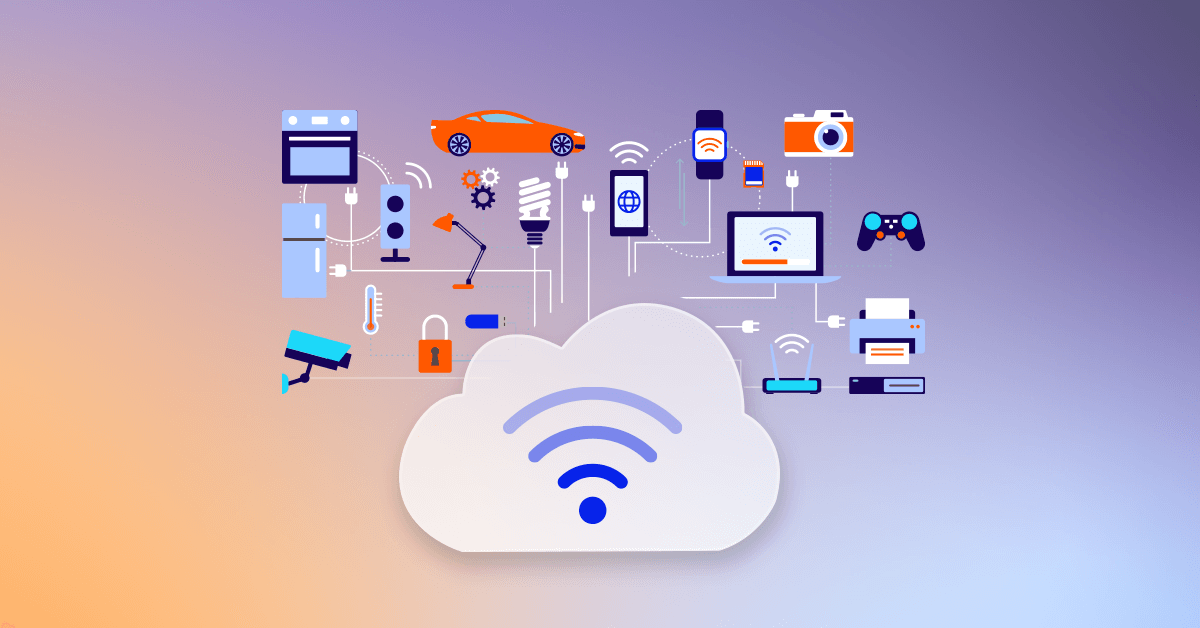
The Internet of Things (IoT) is revolutionizing the way we interact with technology and the world around us. Simply put, IoT refers to a network of connected devices that communicate with each other over the internet to collect, share, and act on data. From smart homes and IoT devices to industrial automation, IoT is shaping the future of technology and business operations.
Understanding IoT
At its core, IoT involves embedding sensors, software, and network connectivity into physical objects. These objects can range from everyday gadgets to industrial machinery, allowing them to send and receive data. IoT transforms ordinary devices into intelligent systems that respond to real-time conditions, improve efficiency, and enhance user experiences.
Components of IoT
- Devices/Sensors: Hardware that collects data, such as temperature, motion, or heart rate sensors.
- Connectivity: Communication protocols like Wi-Fi, Bluetooth, and 5G to transfer data.
- Data Processing: Cloud computing or edge computing systems that analyze collected data.
- User Interface: Apps or dashboards to monitor, control, and make decisions based on data.
Applications of IoT in Daily Life
IoT is increasingly becoming part of our everyday lives. Smart homes, wearable gadgets, and connected vehicles demonstrate how IoT enhances convenience, safety, and efficiency. Users can automate lighting, monitor energy usage, or even track their health in real time using IoT-enabled devices.
Popular IoT Applications
- Smart home devices like thermostats, cameras, and lighting systems
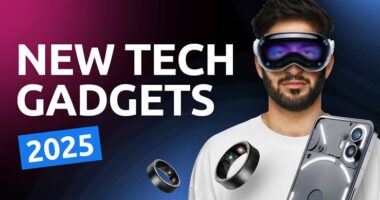
- Wearable fitness trackers and AI health monitors
- Connected cars with real-time diagnostics
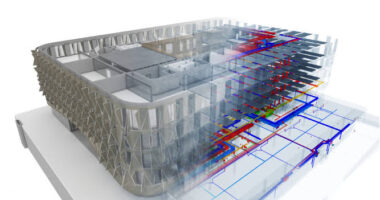
- Smart city infrastructure such as traffic management and waste monitoring
- Industrial IoT (IIoT) for supply chain and manufacturing optimization
IoT in Business and Industry
Businesses are leveraging IoT to optimize operations, reduce costs, and gain valuable insights. From predictive maintenance of machinery to inventory tracking, IoT helps companies make data-driven decisions. Integration with machine learning in business and cloud platforms enhances the efficiency and intelligence of these systems.
Benefits of IoT for Businesses
- Real-time monitoring of operations and assets
- Predictive analytics to prevent downtime
- Enhanced customer experience through personalized services
- Supply chain optimization and logistics tracking
- Improved energy management and sustainability
IoT and Emerging Technologies
The growth of IoT is closely tied to other emerging technologies. Integration with AI, future gadgets, and cloud computing enables smarter, faster, and more responsive systems. IoT-enabled devices generate massive amounts of data, which, when analyzed using AI, can lead to actionable insights and predictive decision-making.
Examples of IoT-Enhanced Tech
- AI-powered wearables for health monitoring
- Smart home automation integrating IoT sensors
- Connected industrial robots for automated manufacturing
- AR/VR devices using IoT data for immersive experiences
- IoT-enabled smart vehicles with autonomous features
Future Trends in IoT
Looking forward, IoT is expected to grow exponentially in 2025 and beyond. Emerging trends include edge computing to process data closer to the source, 5G connectivity for faster device communication, and enhanced security protocols to protect sensitive data. IoT will continue to transform industries such as healthcare, transportation, energy, and smart cities.
Upcoming IoT Trends
- 5G-powered IoT devices for real-time applications
- Edge AI for faster, local data processing
- IoT-enabled smart cities for urban optimization
- Enhanced cybersecurity for connected devices
- Integration with blockchain for secure IoT networks
Conclusion
The Internet of Things (IoT) represents a paradigm shift in technology, connecting devices, people, and businesses like never before. By understanding and adopting IoT, users and companies can improve efficiency, convenience, and innovation. Staying informed about IoT trends and leveraging cloud computing and AI integration ensures that you are ready for the increasingly connected future of 2025 and beyond.