
What Is the Internet of Things (IoT)?
The Internet of Things (IoT) is one of the fastest-growing areas in technology, connecting everyday devices to the internet and enabling smart automation. From smart homes to AI-driven wearables, IoT is transforming the way we live, work, and interact with technology. In this guide, we’ll explore what IoT is, how it works, and why it’s important in 2025. If you’re interested in emerging gadgets, check out our post on Future Gadgets to Watch and Rise of Smart Homes and IoT.
What Is the Internet of Things?
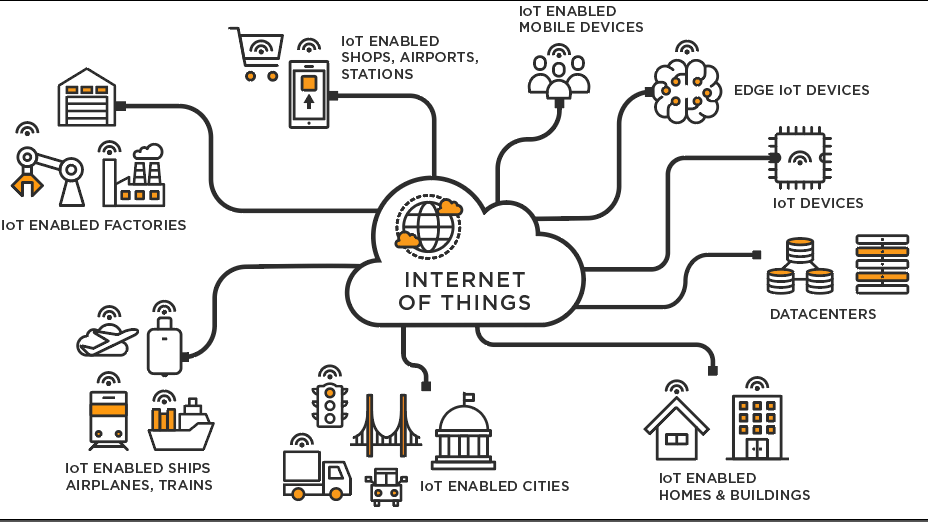
The Internet of Things refers to a network of physical devices that are connected to the internet, enabling them to send, receive, and process data. These devices can range from household items like smart thermostats, refrigerators, and lights, to industrial machinery and wearable health monitors. IoT makes devices “smart” by allowing them to communicate with each other and with users remotely.
Key Components of IoT
- Devices/Sensors: The hardware that collects data, such as temperature, motion, or location.
- Connectivity: Wi-Fi, Bluetooth, 5G, or other networks that allow devices to communicate.
- Data Processing: Software and algorithms that analyze the collected data.
- User Interface: Applications or dashboards that allow users to interact with devices.
For a deeper dive into AI integration with connected devices, see our post Best AI Tools for Productivity.
How IoT Works
IoT devices collect data through sensors and transmit it to cloud servers via a network connection. Software analyzes the data and sends actionable insights back to devices or users. This loop allows devices to operate autonomously or provide information that helps humans make better decisions.
Example: Smart Home IoT
- Smart thermostats learn your temperature preferences and adjust heating automatically.
- Smart fridges monitor food inventory and expiration dates, sending notifications to your phone.
- AI-powered security cameras detect motion, recognize faces, and alert homeowners.
These innovations are linked closely with AI Revolution in Transportation and Future of Technology Trends in 2025.
Applications of IoT in Business
Businesses across industries are leveraging IoT to improve efficiency, reduce costs, and enhance customer experiences.
Manufacturing and Supply Chain
- IoT sensors monitor machinery health to prevent breakdowns.
- Real-time tracking of inventory and shipments improves logistics.
- Predictive maintenance reduces downtime and operational costs.
Retail and Consumer Insights
- Smart shelves track product levels and automatically reorder inventory.
- IoT-powered analytics provide insights into customer behavior.
- Connected devices enhance personalized marketing strategies.
Healthcare
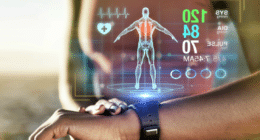
- Wearable health monitors track patient vitals and alert doctors when needed.
- IoT devices improve remote patient care and telemedicine.
- Connected systems reduce errors and streamline hospital operations.
Learn more about the intersection of AI and business in our Machine Learning in Business article.
Challenges and Security Concerns
While IoT offers numerous benefits, it also raises challenges:
- Data Privacy: IoT devices collect sensitive information, raising privacy concerns.
- Security Risks: Hacked devices can compromise networks and user safety.
- Interoperability: Devices from different manufacturers may not communicate effectively.
- Data Management: Massive amounts of data require robust cloud infrastructure.
For insights on smart device safety, see Tech Fighting Climate Change and how IoT contributes to energy-efficient solutions.
The Future of IoT
As 5G networks expand, IoT devices will become faster, smarter, and more interconnected. Emerging trends include:
- AI-driven automation in homes and industries
- Wearables that provide real-time health analytics
- Smart cities with connected infrastructure
- Enhanced predictive maintenance for businesses
- Seamless integration with other technologies like blockchain and cloud computing
To stay ahead of technological innovations, also read Future Gadgets to Watch and New AI Innovations to Explore.
Conclusion
The Internet of Things (IoT) is transforming both daily life and business operations. From smart homes to industrial automation, IoT connects devices, processes data, and enables smarter decisions. Understanding IoT’s benefits, challenges, and future trends is essential for anyone looking to embrace the connected world of 2025. As devices become smarter and more integrated, the potential for innovation and efficiency continues to grow, making IoT a critical component of modern technology.