
AI Revolutionizing Photography: The Future of Creative Imaging
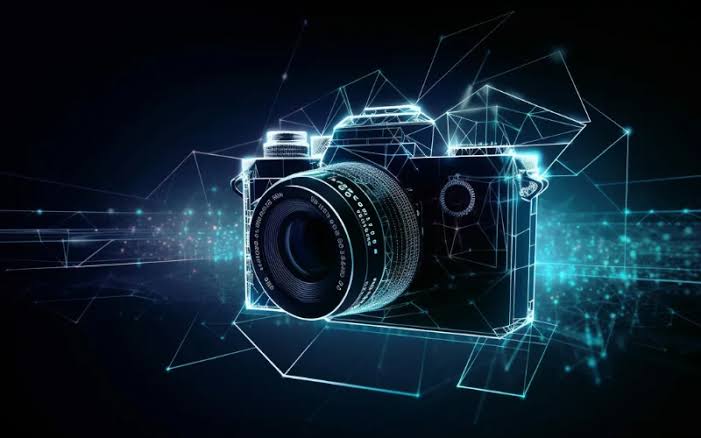
Photography has evolved faster in the last few years than in the previous decades. Thanks to Artificial Intelligence (AI), photo quality is no longer limited by camera experience, expensive equipment, or editing skills. In 2025, AI is not just a tool for photographers, it has become a creative partner, helping anyone capture professional-level images with ease.
From automatic scene detection to AI object removal, upscaling, and smart editing, the industry is experiencing a revolution. Let’s explore how Artificial Intelligence is transforming the world of photography and shaping the future of visual creativity.
1. AI Makes Anyone a Photographer
In the past, taking a good photo required understanding shutter speed, ISO, aperture, composition, and lighting. Today, modern smartphones come with AI features that automatically balance exposure, detect subjects, and apply corrections instantly. Even beginners can take stunning pictures without technical skills.
AI-powered night mode is one of the biggest upgrades. Instead of a dark or blurry image, the phone captures multiple frames and merges them into one bright and sharp photo. Low-light photography used to be possible only with professional cameras, but AI has made it accessible for everyone.
2. Intelligent Editing: No Photoshop Skills Needed
Professional editing tools once required time and expertise. Now, AI editing apps can make huge improvements with a single click. Users can:
- Remove unwanted objects
- Smooth skin naturally
- Correct lighting and shadows
- Change backgrounds instantly
- Fix blurry shots
- Turn low resolution images into high resolution
For example, a beach photo crowded with people can become an empty beach with AI object removal. This feature alone saves hours of manual editing.
AI editing tools are now widely used by photographers, influencers, and content creators online. If you’re interested in more AI tools, check our guide here: Best Free AI Websites.
3. AI Super-Resolution: Turn Low Quality into HD
AI image upscaling is another breakthrough. It can transform old, pixelated, or blurry images into clean, sharp photos. AI studies patterns in millions of images and fills in missing details to boost resolution. Today, this technology is used in:
- Restoring old family photos
- Remastering movies
- Enhancing CCTV footage
- Improving old smartphone photos
This was impossible a few years ago, but AI has made HD restoration easy and fast.
4. AI Noise Reduction in Dark Photos
Night photography usually creates grainy pictures. AI-powered noise reduction cleans the photo while protecting details, making low-light images look clear and professional.
Many smartphone companies now focus on AI software improvement rather than only camera lens upgrades, proving that AI is becoming more important than hardware.
5. Professional Photographers Are Using AI Too
AI isn’t only for phone users. High-end cameras now come with AI features such as:
- Eye and face tracking for humans and animals
- Auto-focus prediction for sports
- Automatic exposure control
- Stabilization for handheld shooting
Filmmakers use AI for video correction, color grading, background removal, and even slow-motion enhancement. Hollywood uses AI to restore old film footage and upgrade low-quality audio and video.
6. AI Generated Photos – No Camera Required
A new trend is rising: AI-generated photography. Tools like Midjourney and Stable Diffusion create realistic images without a real camera. Businesses now generate product photos, models, and backgrounds for advertising using AI instead of hiring photographers or renting studios.
AI-generated images are saving time and money, especially for online stores and social media creators. Learn more here: AI Helping You Earn More.
7. AI Removes Unwanted Objects Instantly
With AI “magic eraser” features, users can delete:
- People in the background
- Shadows and reflections
- Pimples or wrinkles
- Power lines and garbage
- Random objects ruining the photo
Tasks that previously took 20 minutes in Photoshop now take less than 5 seconds.
8. Style Transfer and Creative Editing
AI is not only practical, it’s creative. Style transfer lets users convert a normal photo into:
- Cartoon art
- Anime style
- Oil painting
- Cyberpunk futuristic look
- Watercolor artwork
Artists now use AI tools to experiment with new ideas, color combinations, and digital art concepts. Instead of replacing creativity, AI has become a creative partner.
9. Smart Composition and Framing
Some modern cameras include AI composition tools. These features help users improve framing by suggesting crop adjustments, straightening tilted images, and balancing the subject inside the frame. Even if the original shot is imperfect, AI can repair it.
10. AI Camera Hardware & Future Technology
AI is now built into camera processors. Smartphones and mirrorless cameras use real-time machine learning to improve:
- Face and eye tracking
- HDR photography
- Portrait lighting
- Lens correction
- Color enhancement
In the future, AI cameras might be able to remove reflections in glass, fix shaking instantly, or fully edit a photo the moment it is captured.
11. Ethical Concerns of AI Photography
Even though AI brings benefits, there are concerns such as:
- Fake or misleading photos
- Deepfakes
- Copyright issues
- Photorealistic fake identities
Many countries are creating laws that require digital watermarks on AI-generated content to prevent misuse.
12. Final Thoughts: The Future of Photography
AI has changed photography forever. It is no longer about owning the best camera — it’s about using the smartest technology. From beginners to professional filmmakers, AI makes creativity faster, easier, and more powerful.
With constant improvements, the future camera may become fully AI-powered, learning your style, suggesting timing, and automatically editing photos to perfection.
Want to explore more tech innovations? Check these guides: