
Rise of Edge Computing: Why the Future Is Happening at the Edge
The digital world is processing more data than at any point in human history. Connected devices, smart homes, IoT sensors, autonomous cars, AI cameras, cloud applications, and mobile apps continuously send and receive information. But as data grows, the old model of sending everything to a cloud server is becoming slow, expensive, and inefficient. This is where Edge Computing enters the future.
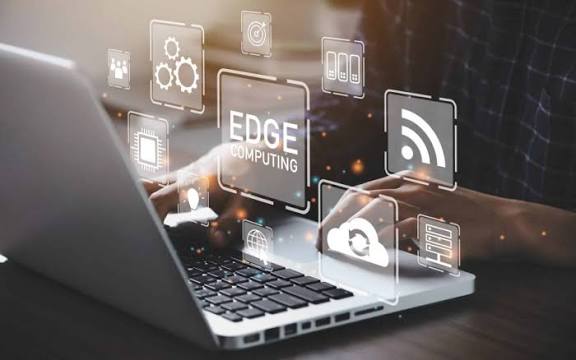
Edge Computing means data processing happens closer to the source—your smart device, local server, router, or IoT sensor—rather than in a faraway data center. This allows fast performance, low latency, stronger security, and real-time decision making. Edge is transforming industries, cities, homes, and transportation, and it is one of the most important technology trends shaping our future.
What Exactly Is Edge Computing?
In traditional cloud computing, data collected from devices is sent to a large server in another region. The server processes the data, then sends results back. This works—but when millions of devices send data every second, it becomes slow and overloaded.
Edge computing fixes that problem by processing data locally. For example:
- A smart refrigerator can process temperature data itself
- A self-driving car analyzes camera input instantly without waiting for cloud servers
- A smart security camera detects motion on the spot and alerts you in real time
Instead of traveling long distances, data is processed “at the edge” of the network. That is why it is called Edge Computing.
Why Does Edge Computing Matter?
As IoT and smart technology grow, billions of devices will generate huge amounts of data. Cloud alone cannot handle it. Edge technology makes systems:
- Faster — because data does not travel far
- Safer — because local storage reduces hacking risks
- Cheaper — less internet bandwidth and cloud storage needed
- Smarter — devices can make decisions instantly
Related article: What Is IoT? A Simple Guide
How Edge Computing Works
Think of edge as a mini-computer placed near your device. It can be inside:
- smartphones
- routers
- 5G towers
- IoT devices
- local servers
- smart appliances
When a device collects data, it sends it to a nearby edge processor. Only important or filtered data goes to the cloud. This reduces internet load and keeps systems smooth.
Real-World Examples of Edge Computing
1. Self-Driving Cars
Autonomous vehicles need to react instantly. If they had to send camera and sensor data to a cloud server, they would crash before receiving a response. With edge computing, the car processes data locally and makes real-time decisions.
2. Smart Cities
Traffic lights, public cameras, pollution sensors, and smart parking systems use edge computing to analyze data instantly. Smart cities rely on fast data processing to control traffic flow, detect accidents, and reduce energy consumption.
3. Healthcare Devices
Wearable devices like smartwatches and health monitors analyze heart rate, steps, oxygen, and sleep data using edge processing. Hospitals use edge systems for robotic surgeries, emergency alerts, and patient monitoring.
Explore more: Technology in Modern Medicine
4. Smart Homes
Smart speakers, security cameras, refrigerators, and thermostats process data locally for faster automation. This avoids delays and protects privacy.
Related post: Rise of Smart Homes and IoT
5. Gaming and AR/VR
Online gaming requires low latency. Edge servers placed near players reduce lag. VR and AR apps also need real-time processing to feel smooth and realistic.
Read: AR Changing the Gaming World
6. Industrial Automation
Factories use smart robots and sensors to maintain machines, monitor performance, and detect problems. Edge computing allows instant decision-making without waiting for cloud results.
How Edge Computing Supports 5G
5G and Edge Computing work together. 5G provides high-speed connectivity and edge devices process data locally. This combination powers self-driving cars, smart cities, drones, remote surgeries, and advanced robotics.
Want to explore more? How 5G Changes the World
Benefits of Edge Computing
- Speed — near-zero latency
- Security — data stays local, less hacking risk
- Reduced Cost — less cloud storage and bandwidth
- Reliability — works even if internet is slow or offline
- Scalability — supports millions of connected devices
Challenges of Edge Computing
- Hardware cost for small businesses
- More devices to manage
- Requires strong cybersecurity
- Complex software maintenance
Even with challenges, industries are rapidly adopting edge systems because the advantages are huge.
Edge Computing vs Cloud Computing
| Cloud Computing | Edge Computing |
|---|---|
| Data processed in remote servers | Data processed locally |
| High latency for heavy data | Ultra-low latency |
| Good for large storage | Good for real-time decisions |
| Needs stable internet | Can work offline |
Edge will not replace cloud entirely, but both will work together. Cloud stores history and large datasets; edge provides fast real-time action.
Industries Growing Because of Edge Computing
- Telecommunications
- Healthcare
- Smart homes
- Transportation
- Retail automation
- Manufacturing
- Agriculture (smart farming)
For example, farms can use edge sensors to detect soil moisture and control irrigation automatically, saving water and increasing crop quality.
Future of Edge Computing
Edge computing will become the backbone of next-generation technology. In the future we will see:
- AI running directly on smart devices
- Fully automated smart homes
- Real-time medical diagnosis
- Driverless transportation everywhere
- Robots communicating with each other locally
- Smart grids for energy efficiency
Billions of IoT devices are coming, and they all need fast, local data processing. Cloud alone cannot handle the demand. Edge computing provides the missing link.
Final Thoughts
Edge computing is reshaping the future of technology. It is faster, safer, cheaper, and more reliable than sending everything to the cloud. From self-driving cars to smart home devices and healthcare machines, edge technology is powering the next revolution in computing.
As more companies and industries adopt edge solutions, our world will become smarter, more connected, and more efficient. The rise of edge computing has already begun — and soon, it will be everywhere.